April 2025

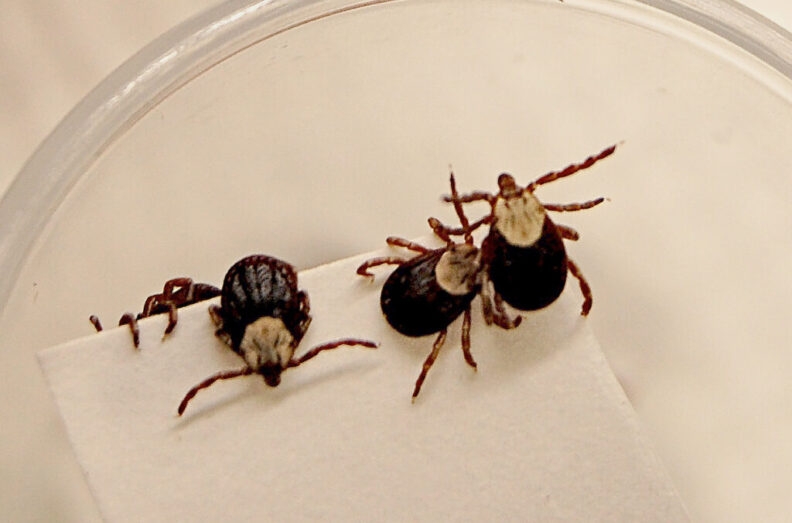
Once bitten, animals develop resistance that shrinks tick population

Just in time for tick season, new research is shining a light on how animals develop resistance to tick bites, which points toward the possibility of developing more effective vaccines against the tiny, disease-carrying bloodsuckers.

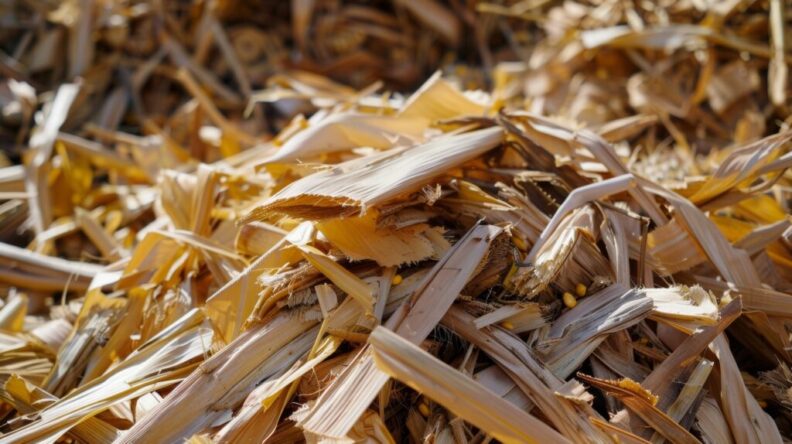
Scientists discover a new way to convert corn waste into low-cost sugar for biofuel

Washington State University researchers developed a cost-effective method to convert corn stover into low-cost sugar for biofuels using an ammonium sulfite–based pretreatment, improving the economic feasibility of biomass-derived fuels and bioproducts while reducing agricultural waste.

Smartphone location data shows promise for public health research

Researchers at Washington State University have pioneered an innovative method for using Google Location History (GLH) data to conduct large-scale longitudinal studies on human behavior and health on topics including outdoor exercise habits, visits to fast food outlets and exposure to environmental pollution.

WSU’s Jon Oatley helps lead congressionally mandated report on genetically modified food animals

A Washington State University researcher was among a select few scientists who unveiled a national report Wednesday that will shape the future of research and regulation around the genetic modification of cattle, pigs, and other food animals.

WSU plant pathologist takes leading role in scientific organization

Though Kiwamu Tanaka earned a PhD in agronomy and completed a post-doctoral position working in plant-microbe interactions, he didn’t work exclusively as a plant pathologist until joining Washington State University as an assistant professor in 2014.

New WSU report finds Washington faces worsening local news crisis amid declining civic engagement nationally

A new statewide report from Washington State University’s Edward R. Murrow College of Communication reveals a worsening crisis in Washington’s local news industry, echoing national patterns of newsroom closures, declining civic engagement, and deepening media inequality. The report identifies news gaps in rural counties as well as some dense, urban areas across the state.

Research Radar: April 23, 2025

Last week I presented at the Board of Regents meeting on the Spokane campus. For the last three months, I’ve been providing regular updates to the Regents on the effects of the federal government’s new policies and priorities on research. With each update, new—and largely unprecedented—actions from the federal government continue to reshape the research landscape. I highlighted for the Regents some of these changes: stop work orders, terminations, partial terminations, conditional terminations, and fund freezes. Each of these has resulted in halted research and growing uncertainty about the future of the work and its outcomes.

WSU’s veterinary rehabilitation is a service to the wild world

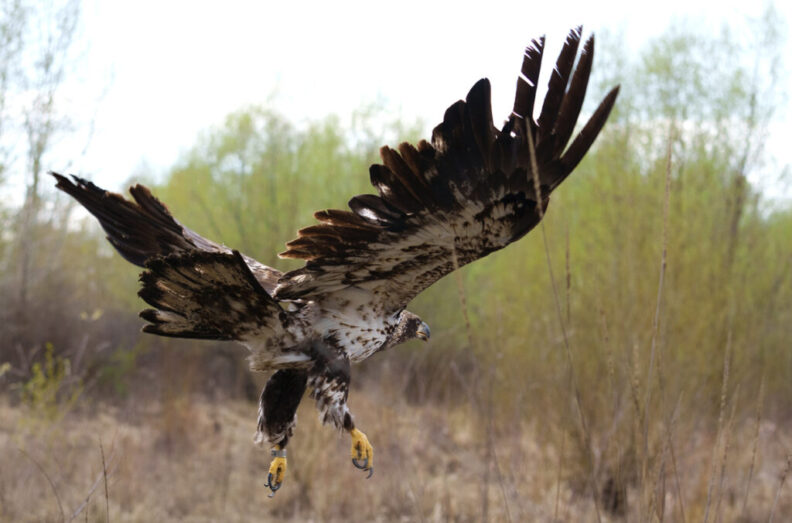
The injured bald eagle was found in a field near Zillah, Washington, unable to fly.

Luckily for the bird, volunteers drove it to the Washington State University Veterinary Teaching Hospital three hours away. There, the young bald eagle was treated for a fractured shoulder.

WSU surgeons remove rare tumor from retired veterinarian’s dog

As a retired veterinarian, Dr. Ken Baber didn’t have to be told how dire the situation was when his 12-year-old dog, Jessie, was diagnosed with a rare type of tumor known as a pheochromocytoma on her adrenal gland.

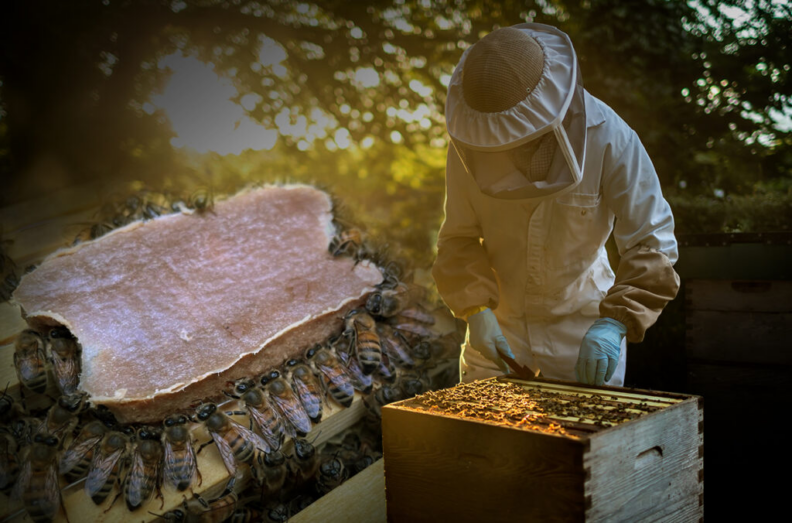
New pollen-replacing food for honey bees brings new hope for survival

WSU and APIX Biosciences have developed a pollen-free, nutrient-rich feed that keeps honey bee colonies thriving, even in poor foraging conditions. This breakthrough could curb colony collapse and support global food security.