
Solutions Start Here
Committed to Society.
Powered by WSU Research.
As a land-grant institution, Washington State University leads research that tackles real-world challenges and shapes a better future. In partnership with communities, industry, and government, our work drives innovation, strengthens Washington’s economy, and delivers solutions with global impact.
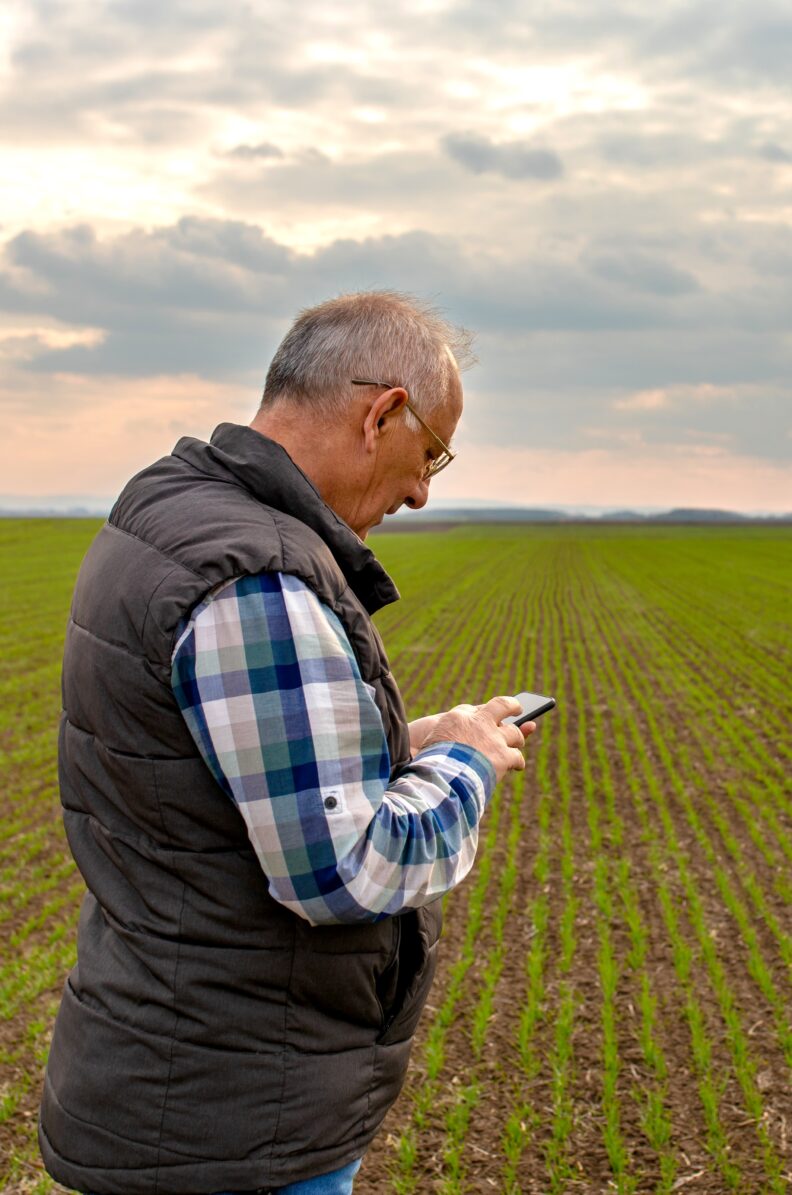
AI Meets Agriculture: Innovations Supporting Farmers and Food Security
Feeding the world requires more than hard work—it takes smart tools to manage unpredictable conditions like weather, water availability, and crop stress. WSU is leading the way in applying artificial intelligence to tackle these challenges head-on.
WSU researchers have developed groundbreaking AI-powered tools to support farmers in making better, faster decisions. One example is AWN CropAI, a smartphone app from WSU’s AgWeatherNet, which uses thermal imaging and AI to help growers monitor fruit development, track heat stress, and reduce crop damage from sunburn.
Meanwhile, the AgAID Institute, led by WSU, uses AI to improve forecasting of seasonal water supplies—enabling more sustainable and efficient resource use in agriculture. From the field to the lab, WSU’s AI-driven innovations are helping farmers increase productivity, manage resources wisely, and ensure a more secure food future for all.

Crop Defenders: Fighting Plant Diseases to Feed the World
Plant diseases threaten the global food supply—and WSU scientists are on the front lines. From potatoes to blueberries to seed crops that feed the world, researchers are developing early detection tools and management strategies to stop diseases before they spread.
One focus: the Pacific Northwest’s vegetable seed industry, a critical supplier for U.S. and global markets. Another: tackling Sudden Oak Death, a devastating disease threatening Western Washington’s forests and agricultural ecosystems.
WSU’s plant pathology work supports farmers, strengthens food security, and protects the crops we depend on—today and for generations to come.

Beating Addiction with Science: Reward-Based Treatments That Work
Addiction isn’t just a personal struggle—it’s a public health crisis. WSU is leading the charge with innovative, research-backed treatment approaches like contingency management, which rewards individuals for staying substance-free. This method, once underutilized, is now gaining national traction—supported by Medicaid programs in states like Washington and California.
WSU’s research is also empowering local communities. In Yakima, Spokane, and Clallam Counties, teens are learning about addiction science and creating outreach campaigns to educate peers about opioids, withdrawal, and prevention.
By combining neuroscience, psychology, and community engagement, WSU is not just studying addiction—it’s changing lives and transforming systems.

Powering the Future: Making America’s Grid Smarter and Safer
With extreme weather events on the rise, our power grid faces new challenges. WSU researchers are responding with AI-powered tools that help grid operators predict problems, balance energy loads, and quickly recover from disruptions.
Their work supports the shift to renewable energy by improving storage systems and ensuring reliability even when the sun isn’t shining or the wind isn’t blowing. Through collaborations with national labs and energy institutes like the Advanced Grid Institute and the Institute for Northwest Energy Futures, WSU is shaping the grid of tomorrow.
This research is helping the U.S. move toward a low-carbon, resilient, and secure energy future.

The Science of Sleep: Protecting Workers, Saving Lives
From doctors to truck drivers to military and police officers, fatigue can mean the difference between safety and disaster. WSU researchers are uncovering how sleep loss impacts decision-making, health, and performance—and they’re turning that science into real-world solutions.
Their findings have influenced national fatigue policies and inspired fatigue management programs in high-risk sectors. One study with law enforcement led to better sleep, mental health, and job performance. Others support more flexible work schedules to reduce accidents and improve focus.
WSU’s groundbreaking work is proving that sleep isn’t a luxury—it’s essential for safety, well-being, and productivity.
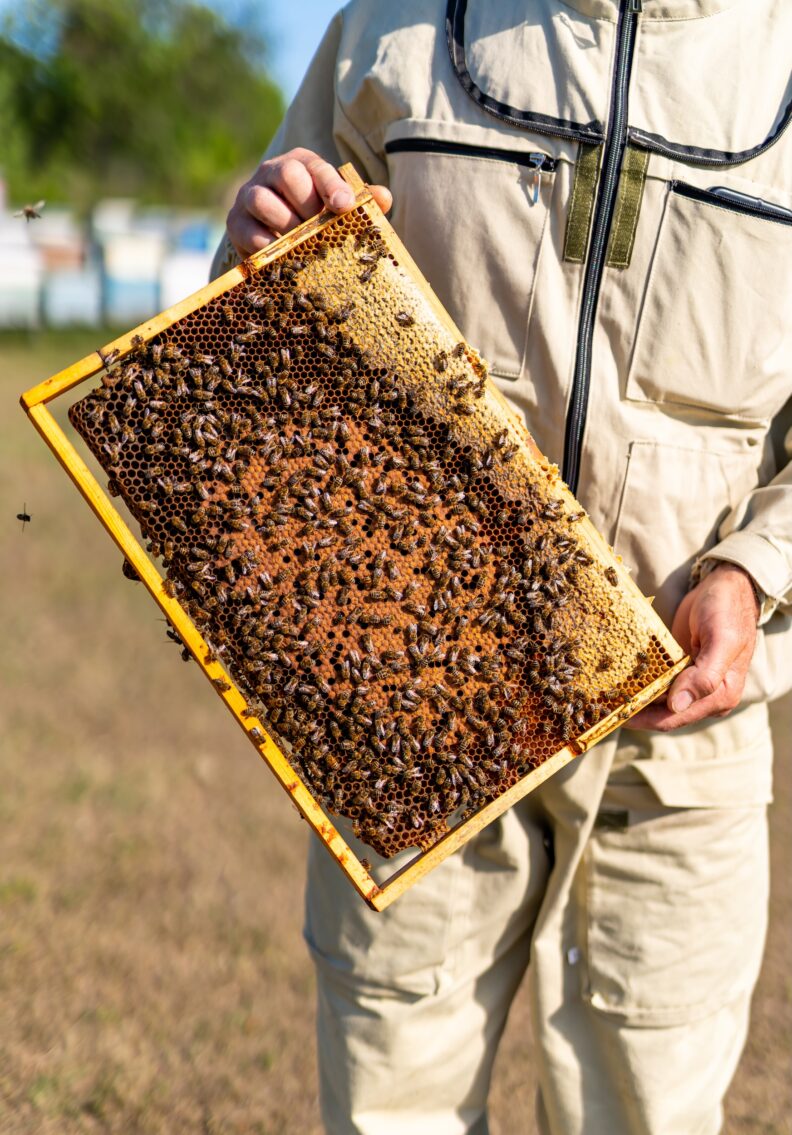
Pollinators in Peril: Lifesaving Research for Bees and Beyond
Honey bees pollinate one-third of the world’s food supply—but in early 2025, catastrophic hive losses sent shockwaves through the agriculture industry. WSU researchers sprang into action, joining a national response and bringing their world-class expertise to the crisis.
From fighting deadly mites to improving bee nutrition and breeding resilient colonies, WSU is leading the charge to protect pollinators. Their breeding program focuses on disease resistance and adaptability, ensuring that bees can thrive in changing climates.
Healthy bees mean healthy crops—and WSU’s research is securing the future of our food system, one hive at a time.

From Absences to Action: Reconnecting Thousands of At-Risk Students
Every year, up to 100,000 K–12 students in Washington state miss school for extended periods—putting them at risk of academic failure and long-term disengagement. WSU researchers are tackling this crisis head-on with WARNS (Washington Assessment of the Risks and Needs of Students), a tool that helps schools identify why students are absent and how to bring them back.
Since 2017, WARNS has powered over 28,000 student assessments in more than 300 schools across four states, helping schools and communities craft personalized intervention plans that reduce absenteeism and address behavioral health challenges, shifting from punishment to prevention. A 2024 survey revealed that 72–75% of students assessed are at high risk—reinforcing the urgency for continued, research-driven support.
These are just a few examples of the impact of research at WSU.
Stay informed about our latest research by following us on LinkedIn and X.