WSU and Schweitzer Engineering Laboratories launch new wildfire research partnership
The partnership will support development of research needs aligned with specific industry and community priorities.

The partnership will support development of research needs aligned with specific industry and community priorities.
Washington State University researchers from the College of Veterinary Medicine developed a targeted nanotherapy that reduced endometriosis lesions and pain after a single dose in early testing. The treatment delivers an existing drug directly to the disease site, and the team hopes to move toward human trials.

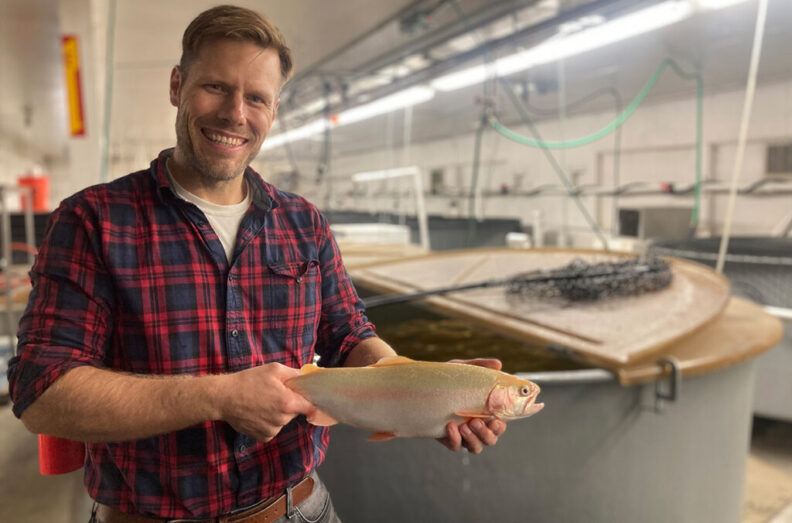
Washington State University researchers from the College of Agricultural, Human, and Natural Resource Sciences received more than $1.5 million to develop healthy, sterile farmed rainbow trout. The work could boost U.S. aquaculture productivity and protect wild fish populations from escaped farmed fish.
Washington State University researchers from the College of Arts and Sciences mapped how human activity affects nitrogen, phosphorus, and silicon levels in coastal waters worldwide. The study found that humans contribute more nitrogen than all natural sources along a quarter of coastal waterways, and it identifies where reducing nutrient pollution would help most.

Washington State University researchers from the College of Veterinary Medicine discovered how hedgehog coronaviruses related to MERS enter host cells. The viruses are unlikely to infect humans without multiple mutations, but they may be able to infect other animals, including cats.
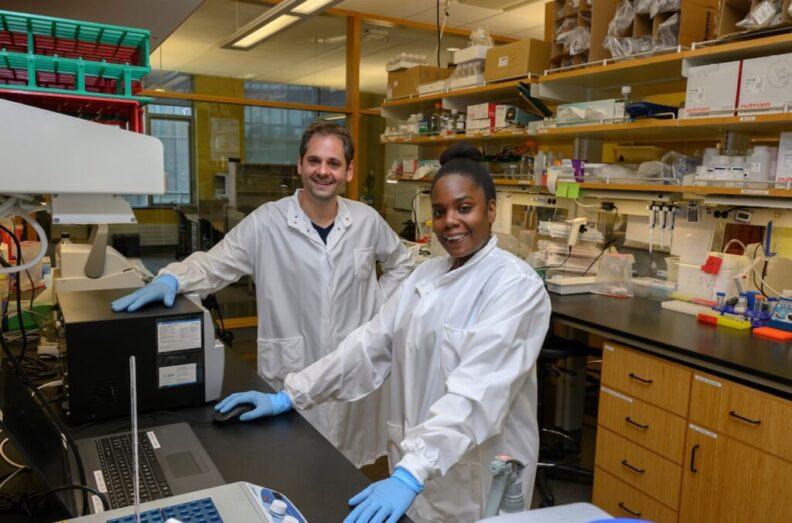
WSU researchers used artificial intelligence to identify more efficient, lower-cost methods for 3D printing GRCop-42, a high-performance metal alloy used in aerospace applications.

Washington State University postdoctoral researcher Chelsea Osbron from the College of Veterinary Medicine received a National Institutes of Health F32 fellowship to study how a tick’s immune system affects its ability to spread disease. The research aims to reduce the spread of tick-borne illnesses such as Lyme disease before people get sick.
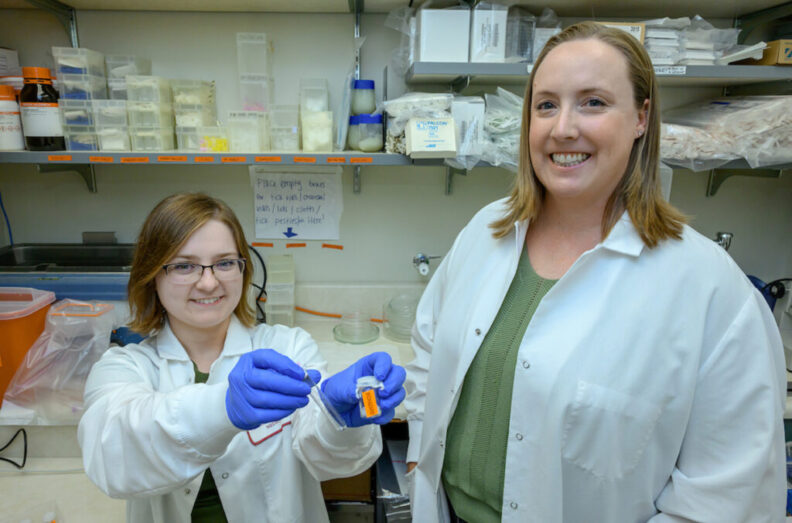
WSU study finds infants who later develop eczema or food allergies show detectable skin microbiome changes months before symptoms appear.

New WSU study finds cannabis ads shape college students’ beliefs about sex, with impacts differing by gender — insights for future substance-use policy.

WSU Regents Professor Jill McCluskey has joined the National Academies’ new Food, Nutrition, and Agriculture Program Advisory Committee, helping guide national science priorities and policies in nutrition, food safety, and agricultural production.

WSU research finds that featured online product reviews can lead shoppers to poor decisions when the reviews do not align with their individual priorities, a phenomenon researchers call the “sour fruit” effect.

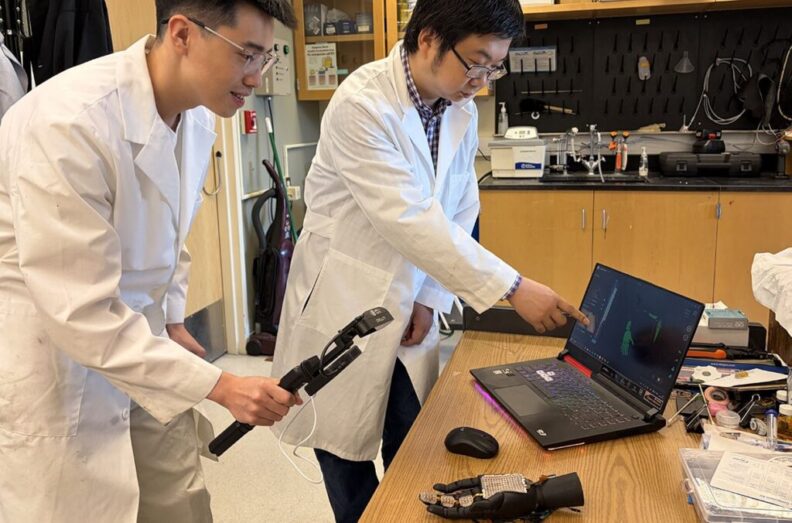
WSU engineers develop low-cost electronic skin with 10x finer sensing resolution, giving prosthetic limbs the ability to detect pressure and temperature.
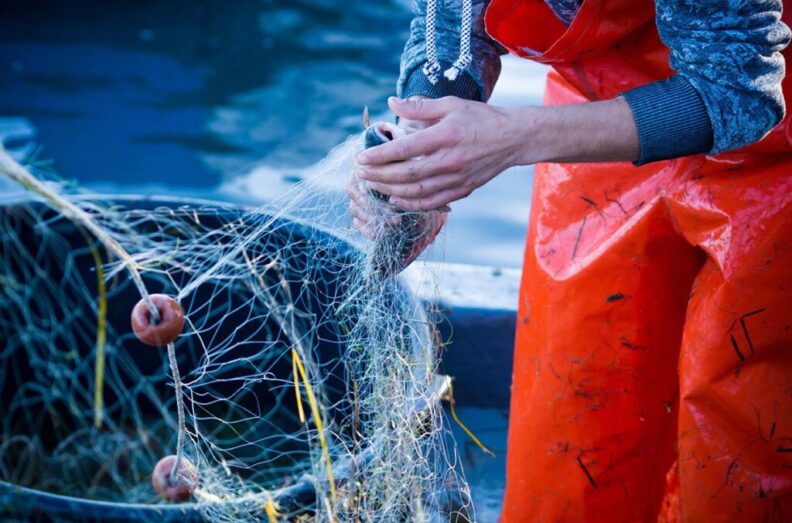
WSU economist Ana Espinola-Arredondo found that harsher weather conditions, including rising temperatures and stronger storms, can encourage commercial fishers to pursue legitimate sustainable ecolabeling, while easier conditions may increase the risk of fraudulent certification claims.
WSU associate professor Hallie Meredith published a new book examining fourth-to-sixth-century Roman craftworkers, illuminating the overlooked contributions of glass producers and other creative laborers of late antiquity through new approaches to architectural, artefactual, and epigraphic evidence.

WSU psychology researcher Christine So studies trauma-related nightmares, particularly among PTSD sufferers, working to increase understanding of their underlying causes and develop more effective therapeutic interventions for affected populations.

WSU finance researchers found that millions of young Robinhood investors tend to favor stocks with lower accounting and organizational complexity, and that these simpler stocks outperformed more complex ones during the study period — suggesting unsophisticated investor preferences can meaningfully shape market dynamics.

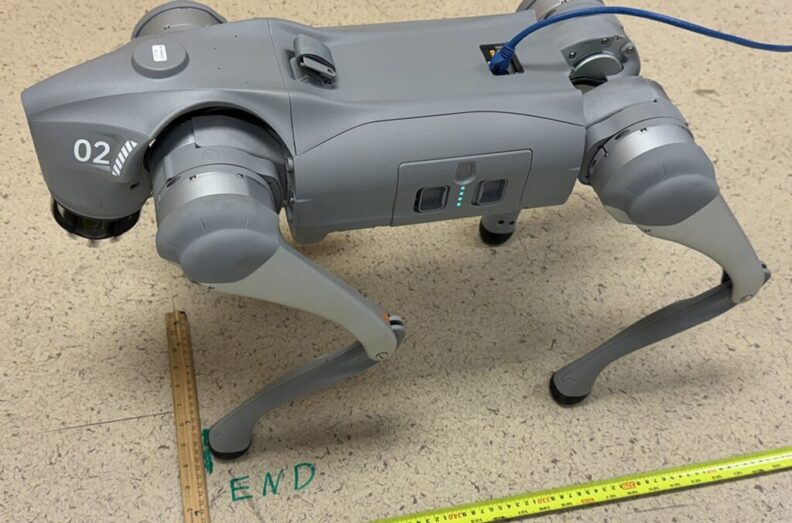
WSU researchers developed an artificial intelligence framework designed to improve decision-making in robotic systems, helping robots respond more effectively to complex and changing environments.
A WSU-led study introduces a biocultural families framework that centers Indigenous priorities and relationships with plants, animals and the environment, offering a more culturally grounded approach to conservation and environmental research.

WSU researchers developed a model to help communities determine effective subsidy levels for encouraging homeowners to take wildfire mitigation measures, potentially improving participation and community resilience.

WSU researchers developed a model to help communities determine effective subsidy levels for encouraging homeowners to take wildfire mitigation measures, potentially improving participation and community resilience.