2024

New soil virus database reveals unknown diversity

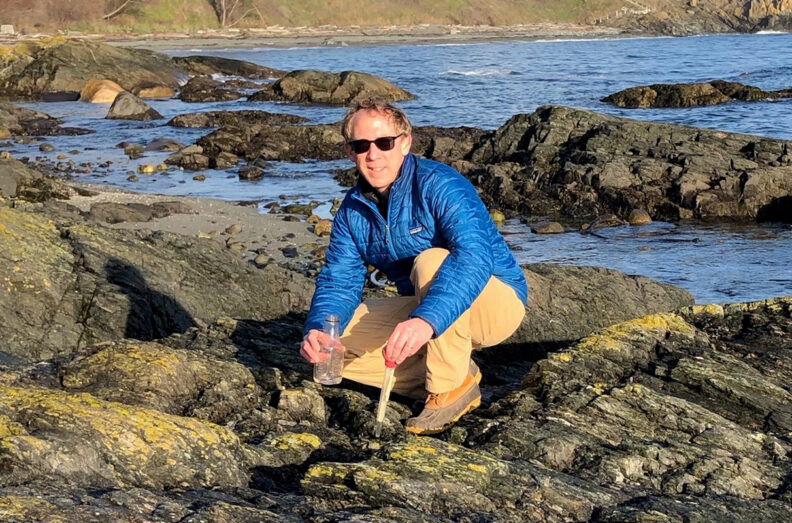
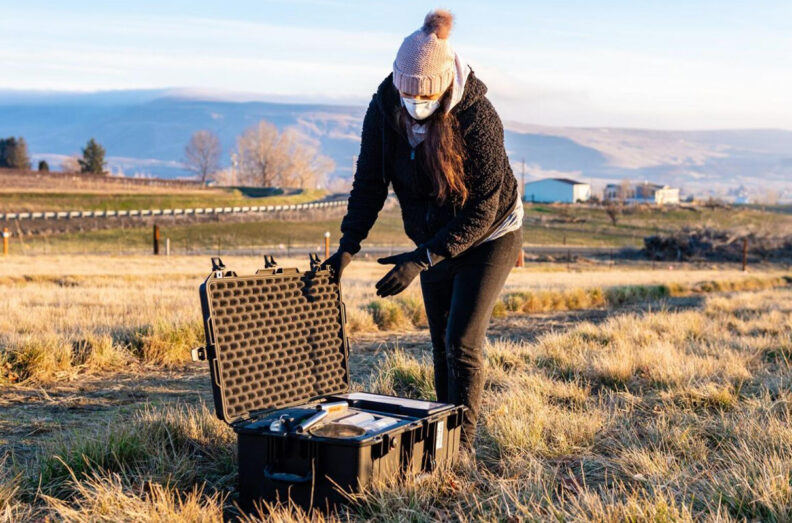
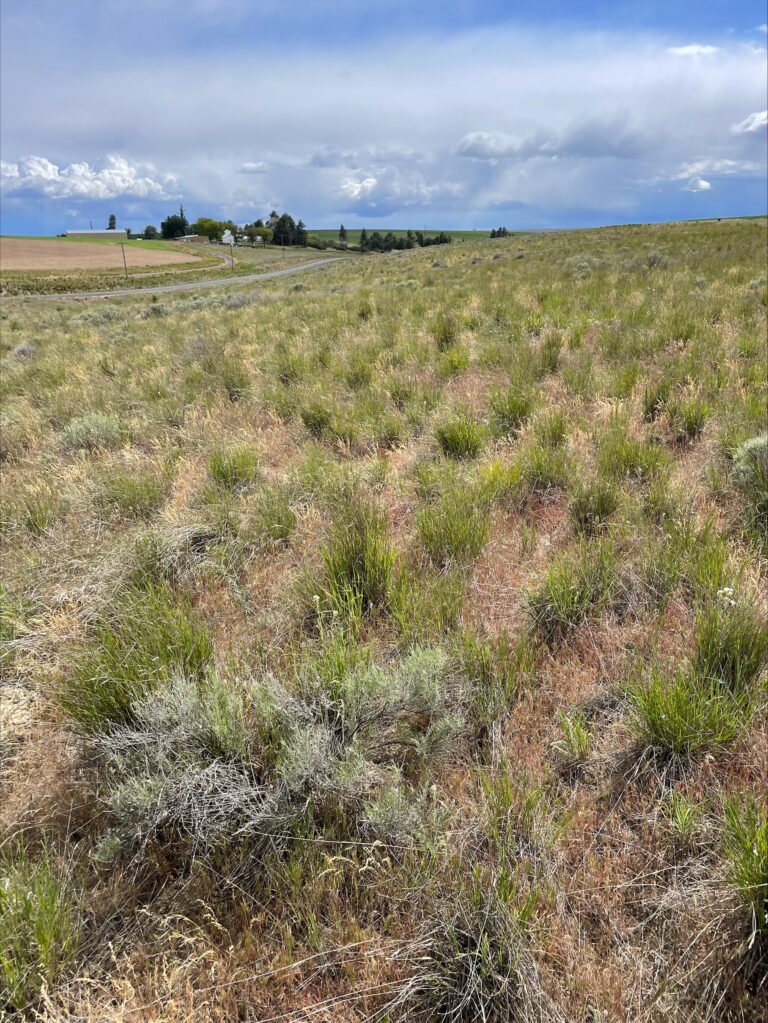
Soil scientists including researchers from Washington State University recently published a new Global Soil Virus Atlas online in the journal “Nature Microbiology.” The team, led by the Department of Energy’s Pacific Northwest National Laboratory (PNNL), is now investigating whether these soil viruses have a long-overlooked impact on the climate and soil health. They hope to utilize the new database as a starting point for further research.

Lois James to lead WSU Sleep and Performance Research Center

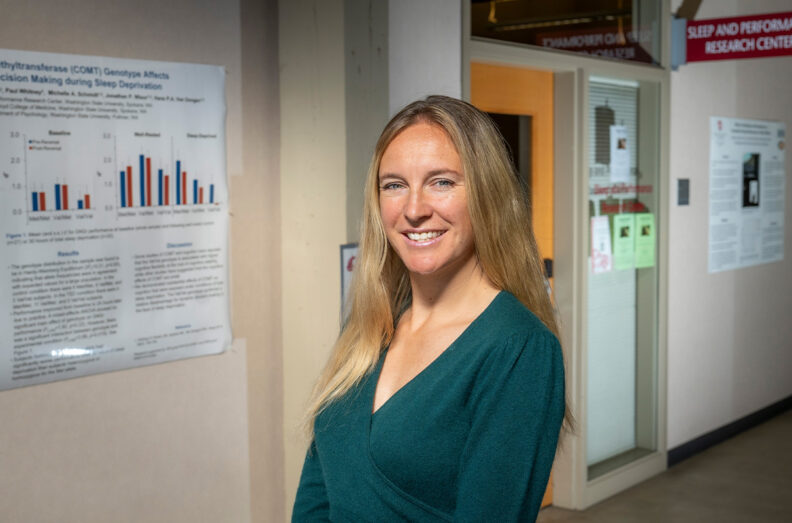
Lois James, assistant dean of research and an associate professor in the Washington State University College of Nursing, has been appointed as the next director of WSU’s Sleep and Performance Research Center.

Research Radar: December 11, 2024

A common question among graduate students is, “What do I need to do to earn my degree?” While there are clear departmental requirements such as course hours, and qualifying exams, etc., I believe the answer is straightforward: you need to demonstrate the ability to formulate a research hypothesis, design experimental or analytical procedures to test that hypothesis, show proficiency in the relevant tools of your discipline, and exhibit a capacity for independent learning. For me, independent learning is the key quality that distinguishes a Ph.D. from other degrees. It is how we advance the knowledge of our field.

Investigation of vulnerable Antarctic fish recognized for distinguished scholarship

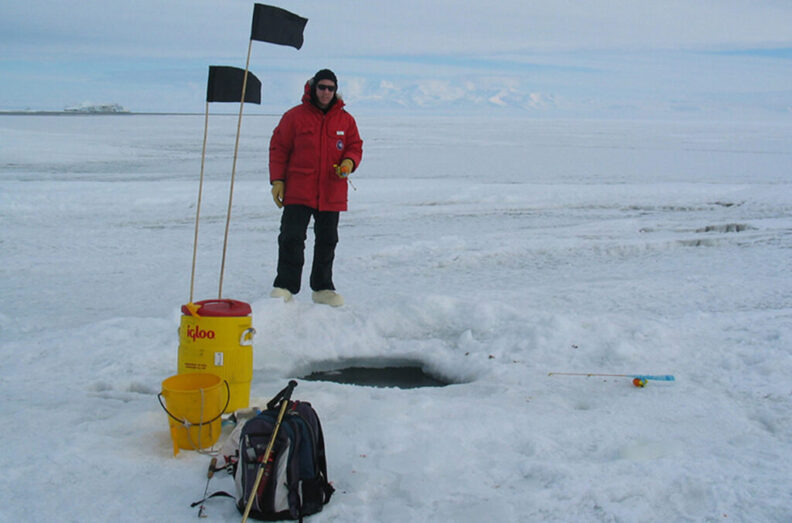
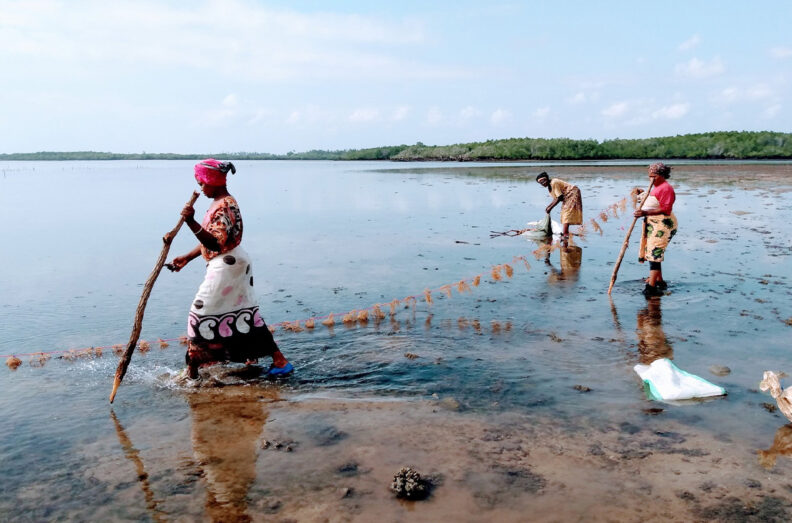
Fish that thrive in the ultracold waters of the Southern Ocean are the “canary in the coal mine” of 21st century climate change. Species like the Antarctic emerald rockcod live in an environment that is consistently at or below 0° Celsius (32° Fahrenheit)—but raise the water temperature just a few degrees and many of them perish.

Long-distance friendships can provide conservation benefits

PULLMAN, Wash. — While sustaining friendships from afar can be challenging, they may offer unexpected benefits for environmental conservation. A Washington State University-led study, recently published in Conservation Letters, found that […]

Sunflare chosen as name for WSU’s colorful next apple

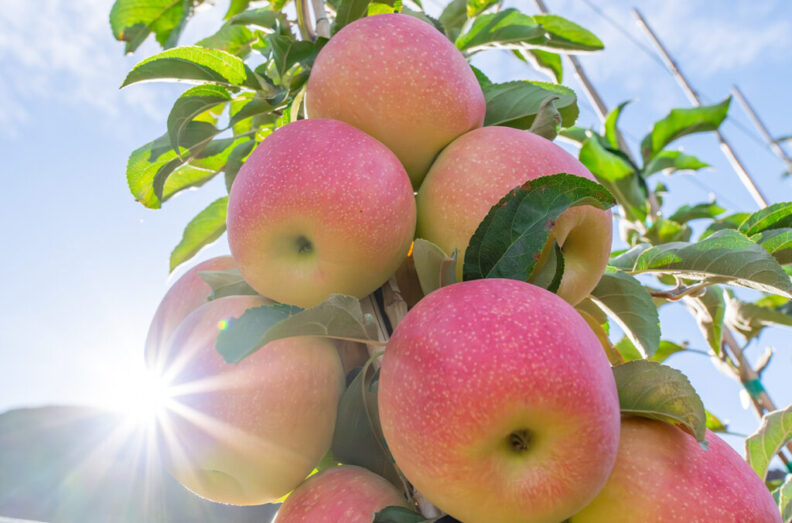
Washington State University’s newest apple, WA 64, has an official brand name: Sunflare. Announced by WSU apple breeder Kate Evans on Dec. 10, 2024, at the Northwest Horticulture Expo at Yakima, Washington, the new name resulted from a public contest that drew more than 15,000 responses.

WSU winery adopts eco-friendly method of wine tank sterilization

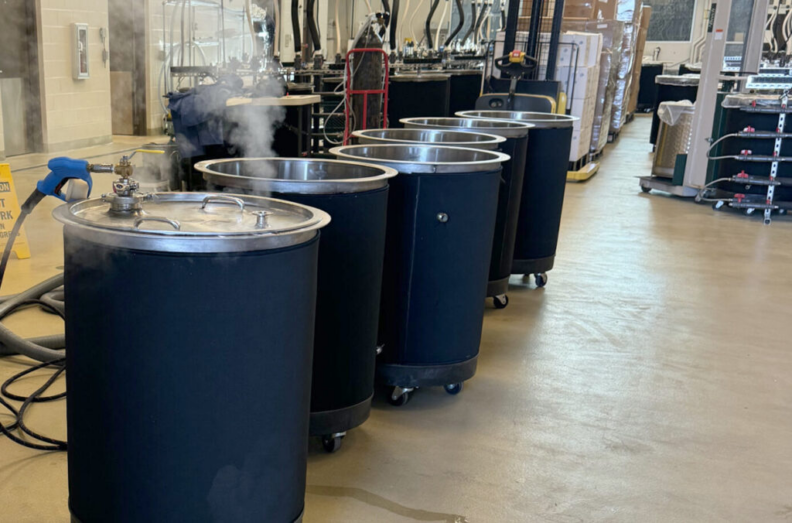
Irrigation, fermentation, and sanitation are necessary parts of winemaking. But each of those components also requires a significant amount of water.To help conserve this precious resource, Washington State University researchers recently implemented a new “clean-in-place” system to sterilize fermentation tanks in the Ste. Michelle Wine Estates WSU Wine Science Center.

Travis Brown: Mapping Neurological Pathways of Addiction and Food Cravings

This Faculty in Focus highlights the research and creative work of associate professor, Department of Integrative Physiology and Neuroscience.

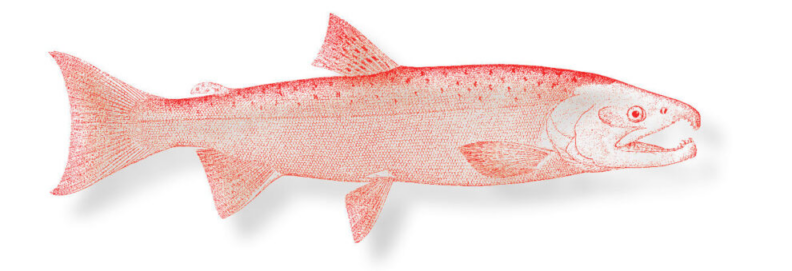
Coho salmon in urban areas were dying from stormwater runoff, but scientists didn’t know why until a few years ago.

In recent years, researchers from Washington State University and University of Washington identified 6PPD, a chemical in automotive tires, as deadly to coho salmon. Now they’re studying the toxicology of alternatives, as well as the process of road runoffs into waterways.

Study finds perceptions of parent cannabis use shape teen attitudes

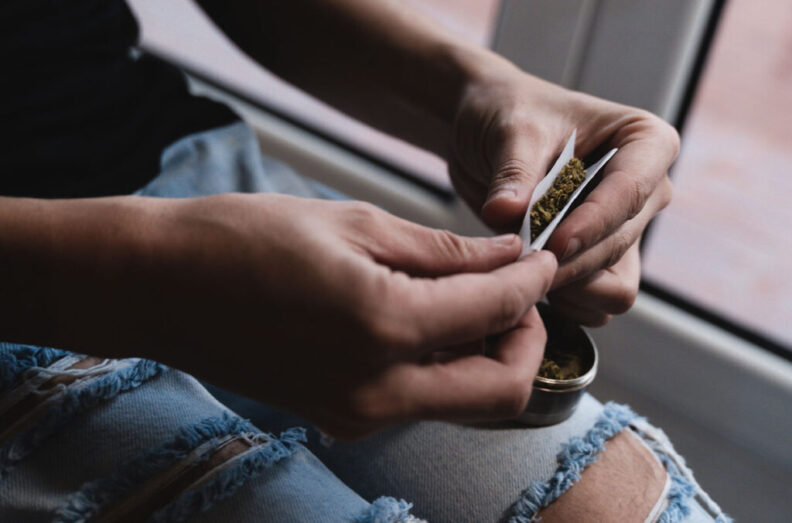
Teens who think their parents use cannabis are more likely to hold favorable attitudes toward the drug and to consider trying it themselves, according to a new Washington State University study.

Vampires are real, much smaller than you’d expect but still deadly.

A team led by Washington State University scientists has found that bacteria are attracted to the liquid part of blood, or serum, which contains nutrients the bacteria can use as food. One of the chemicals the bacteria seemed particularly drawn to was serine, an amino acid found in human blood.

Microfiber plastics appear to tumble, roll and move slowly in the environment

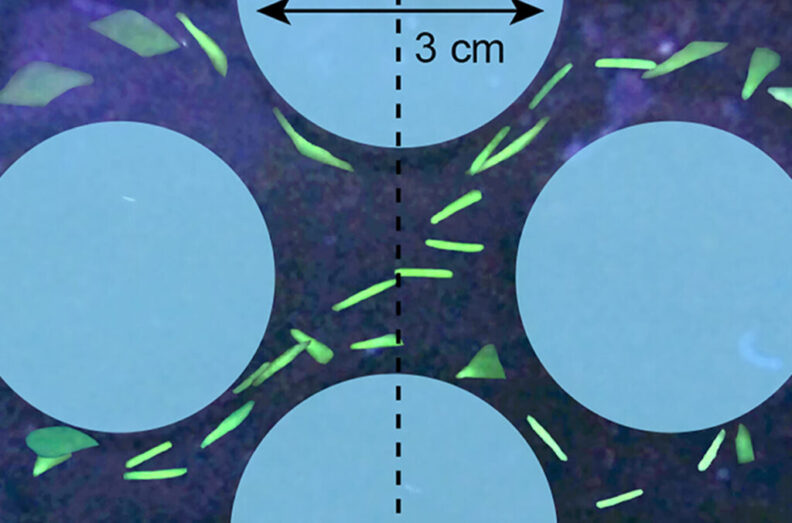
The first-known direct observations of the movement of microfiber plastics through a thin layer of soil-like particles show that they tend to tumble, roll and sometimes get stuck in spaces.

WSU Researcher Highlighted for Commitment to Raise Awareness of Research Gaps for AI/AN Populations

Denise Dillard, PhD, professor at the WSU College of Medicine and co-director of the Institute of Research and Education to Advance Community Health (IREACH), spoke with the National Institutes of Health (NIH) about her work raising awareness of critical research gaps for Alaska Native populations.