March 2026

Seeing through paper: Light sheet reveals printing in MASC’s early books

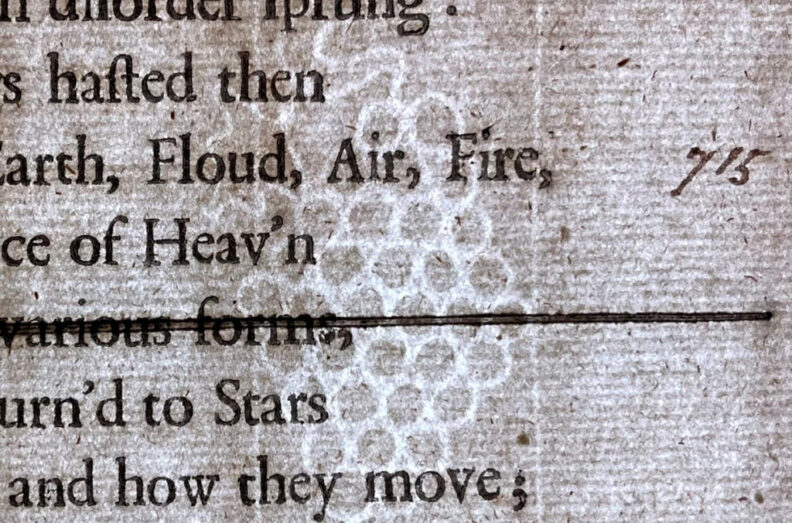
Washington State University Libraries introduced a new light sheet technology that allows researchers to examine watermarks and internal structures in early printed books. The tool enhances the study of literary history, helping scholars more accurately date texts and trace their origins.

Two WSU professors among 2025 AAAS Fellows

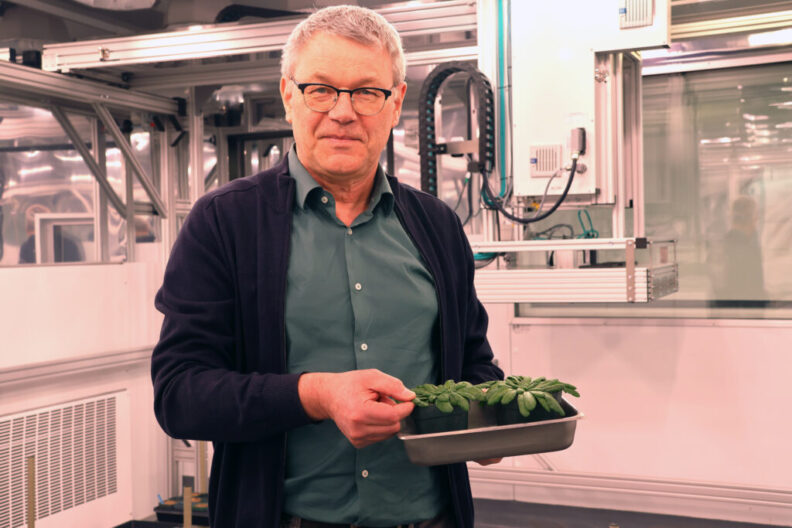
Two Washington State University professors from the WSU College of Agricultural, Human, and Natural Resource Sciences and WSU College of Veterinary Medicine were named 2025 Fellows of the American Association for the Advancement of Science. The honor recognizes research advancing plant science, pharmacogenetics, and real-world applications in agriculture and health.

Talking politics at work may support employee well‑being

Washington State University research found that discussing politics at work can support employee well-being when conversations occur in supportive environments. The study highlights how these interactions can reduce stress and burnout while improving workplace relationships.

WSU launches bilingual video series to help beekeepers improve colony health

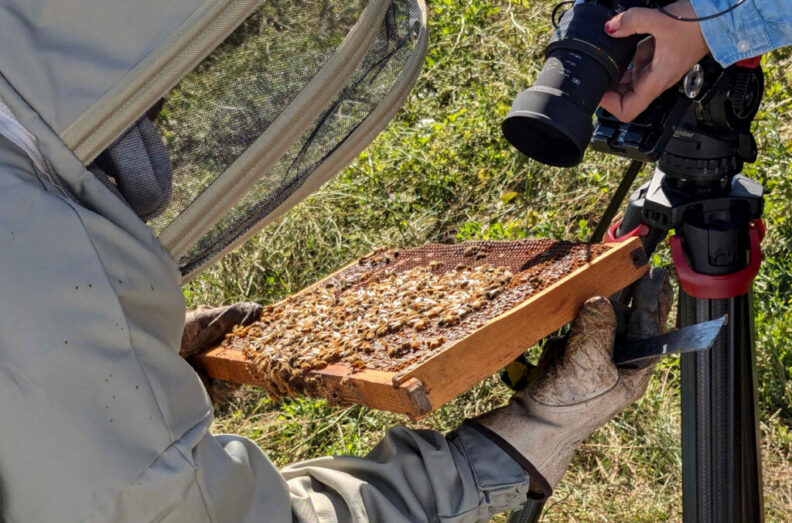
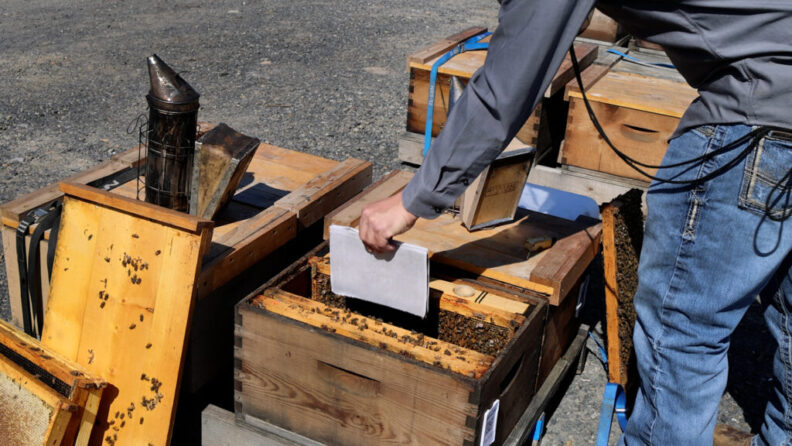
Washington State University launched a bilingual video series to help beekeepers improve colony health. Developed by the Honey Bee and Pollinator Program, the series provides accessible training in bee biology, safety, and colony management, expanding support for pollinator health and sustainable agriculture.

Scientists discover new bee species that depends on native Texas shrub

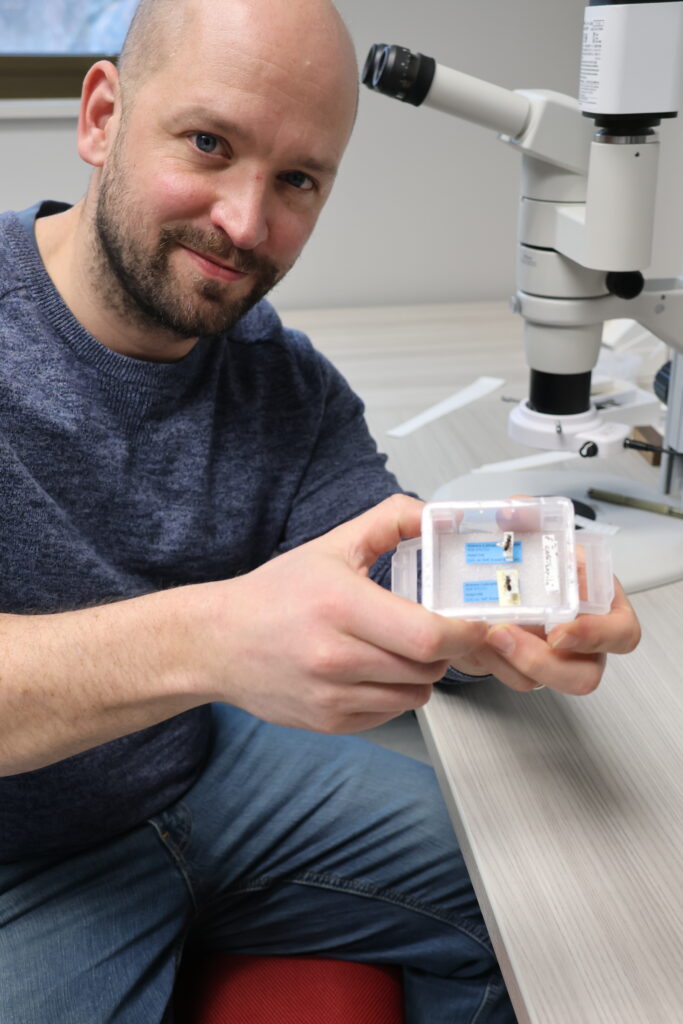
Washington State University researchers from the College of Agricultural, Human, and Natural Resource Sciences discovered a new mining bee species, Andrena cenizophila, uniquely dependent on Texas purple sage, advancing understanding of pollinator biodiversity and plant specialization.

Carefully controlled atoms make renewables more viable for plastics and fuels production

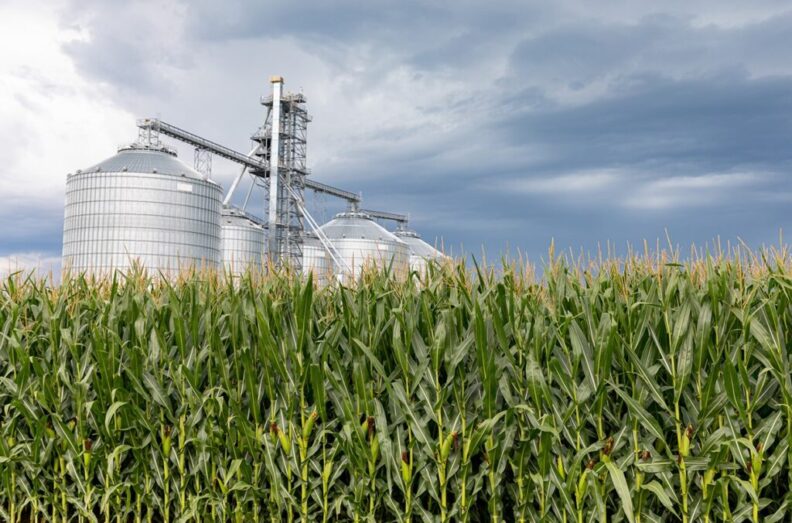
Washington State University researchers developed a catalyst that precisely controls atoms to convert renewable ethanol into plastics and fuels more efficiently. The breakthrough improves scalability and supports more sustainable, low-carbon chemical production.

New study offers insight into tissue-specific gene regulation of sheep

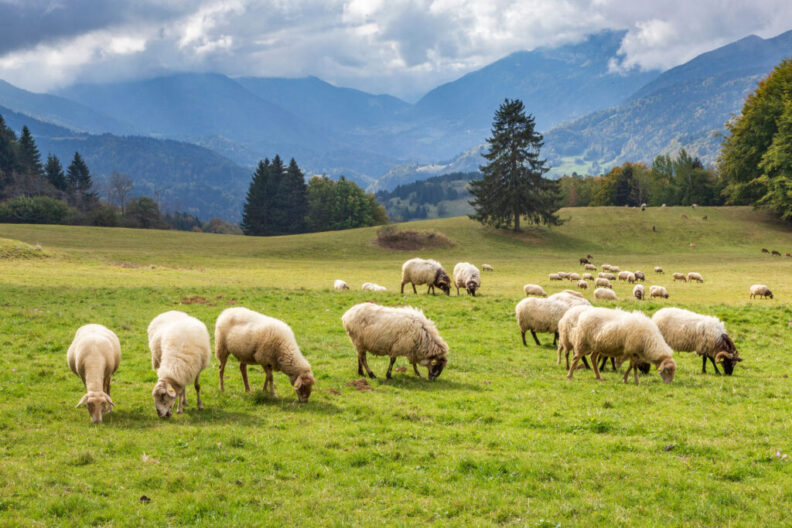
Washington State University researchers from the College of Agricultural, Human, and Natural Resource Sciences mapped tissue-specific gene regulation in sheep, providing new insights into genome function that can improve livestock health, productivity, and selective breeding strategies.

Small ‘edge’ computer could help self-driving cars operate in rural areas

Washington State University researchers tested a small, low-cost edge computer that can support self-driving cars in rural areas. The system enables real-time decision-making without reliable internet, improving accessibility of autonomous vehicle technology.

AI gets a D: Study shows inaccuracies, inconsistency in ChatGPT answers

A Washington State University study found that ChatGPT produces inaccurate and inconsistent answers when evaluating scientific hypotheses. The study highlights limitations in AI reasoning, with performance only slightly better than random guessing, raising concerns about reliability on complex tasks.

Long-term study confirms pollen-replacing feed strengthens honey bee colonies 

Washington State University researchers from the College of Agricultural, Human, and Natural Resource Sciences mapped tissue-specific gene regulation in sheep, providing new insights into genome function that can improve livestock health, productivity, and selective breeding strategies.

New study sheds light on protein landscape crucial for plant life

Washington State University researchers revealed how proteins organize inside plant leaf cells to shape the photosynthetic membrane, a structure essential for converting sunlight into bioenergy. The findings could help scientists fine-tune crops for improved yields, stress response, and performance in different environments.