September 2025

Reconstructing human-environment relationships through archaeology

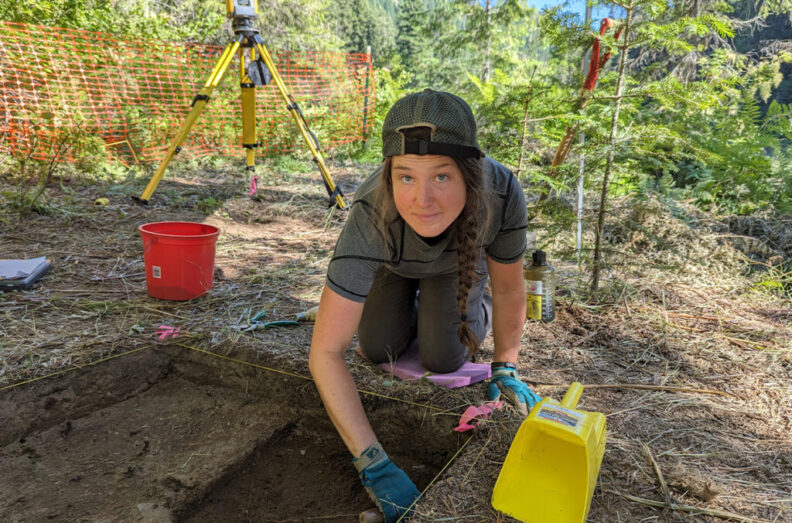
Washington State University PhD candidate Jordan J. Thompson is integrating geochemistry and Indigenous oral traditions to uncover how humans historically engaged with mountain landscapes. Through excavations in the Bitterroot Mountains and collaborations with Nez Perce elders, Thompson investigates lithic technologies, conveyance zones, and ethnogeology—bridging archaeological evidence with cultural knowledge to better understand long-term human-environment interactions.

Undergrad research program expanding

A year after launching, Washington State University’s EschLEAD program is expanding with new faculty, industry partnerships, and an advisory board to help make undergraduate science degrees more relevant and connect students to […]

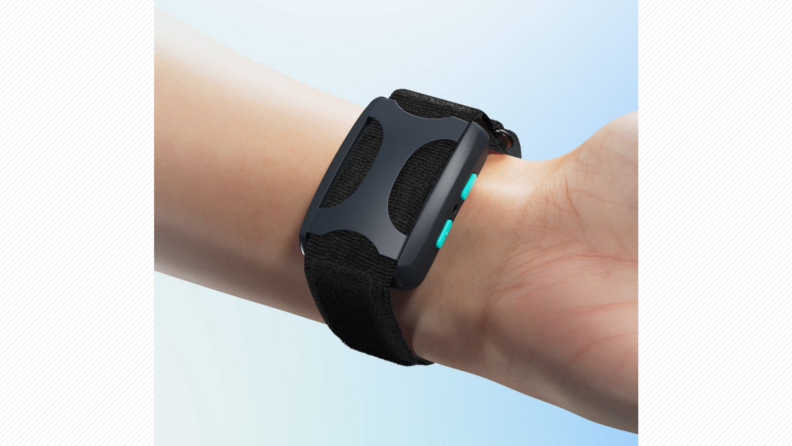
WSU Researchers Study Wearable Technology to Reduce Burnout in Health Sciences Students

A WSU study found that the Apollo Neuro™ therapeutic wearable may reduce burnout and improve wellbeing in medical and pharmacy students. In a 12-week trial, users reported less emotional exhaustion and depersonalization, suggesting the device is a practical, low-burden tool for stress management.

WSU study projects increases in lightning, wildfire risk

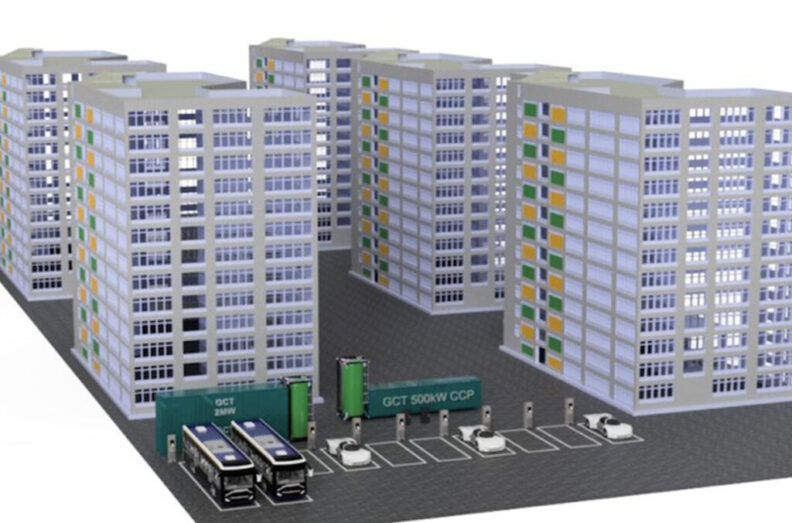
Washington State University is leading a federally funded $4M ARPA-E project to build a proof-of-concept EV charging station that makes carbon-negative electricity from low-cost bioethanol. The off-grid system converts bioethanol to hydrogen (and liquid bicarbonate) in one step at lower temperatures, stores power in recycled batteries, and eliminates the need to transport high-pressure hydrogen.

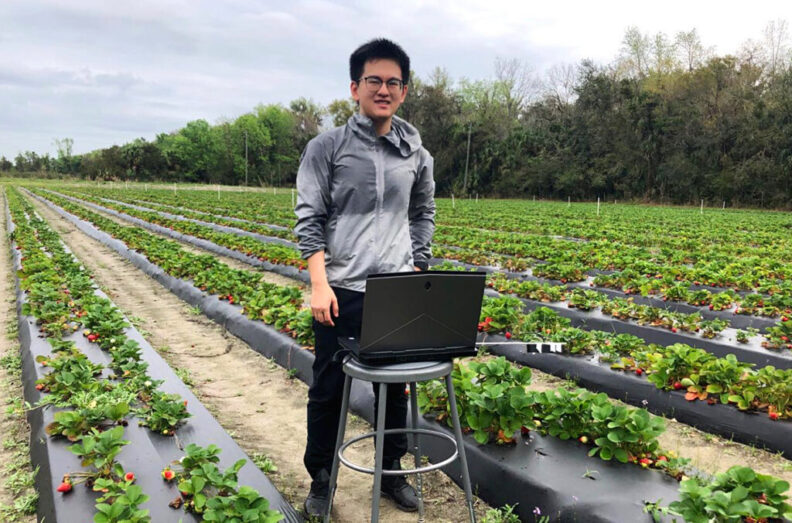
Researchers design robot that can pick hidden strawberries

Washington State University researchers developed a robotic strawberry harvester using AI vision, silicone grippers, and a fan system to gently move leaves. The system detected hidden fruit with 93% accuracy and 74% picking efficiency, offering a promising tool for the $20B strawberry industry.

WSU designated as center of excellence in cyber research

Washington State University has been named a National Center of Academic Excellence in Cyber Research (CAE-R) by the NSA, one of only five in the Pacific Northwest. This designation recognizes WSU’s leadership in cybersecurity education and research, including its VICEROY CySER program, which trains ROTC and DOD workers for cyber operations and defense, as well as NSF-funded programs and international AI cybersecurity collaborations. The NSA honor opens new opportunities for students, faculty, and national partnerships.

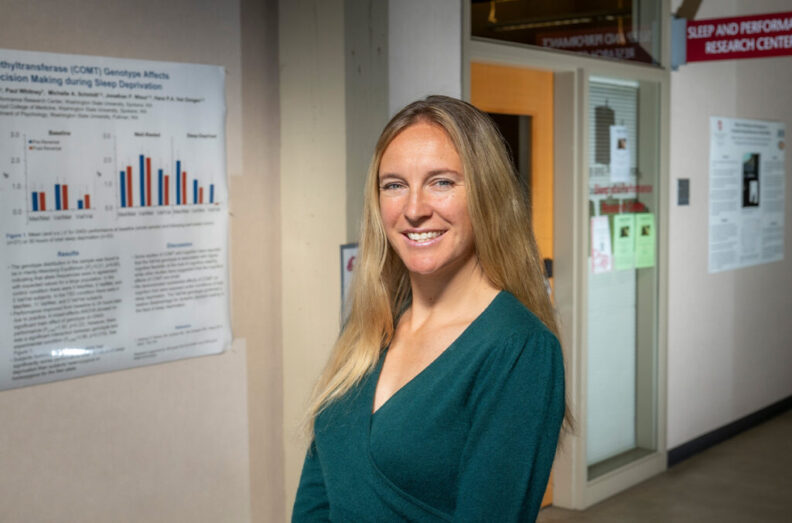
WSU Researcher Develops Fatigue Risk-Management Strategy for Seattle Police Department

Dr. Lois James of WSU led a multi-year study to combat police fatigue in Seattle. Her team developed an eight-week training program focused on sleep, nutrition, and stress management. Over 400 SPD officers participated, with results showing improved well-being and job performance. The project is one of the first large-scale trials to test fatigue risk-management in policing, offering a model for safer, healthier law enforcement.

Federal grant supports development of grid-independent EV charging stations

Washington State University is leading a federally funded $4M ARPA-E project to build a proof-of-concept EV charging station that makes carbon-negative electricity from low-cost bioethanol. The off-grid system converts bioethanol to hydrogen (and liquid bicarbonate) in one step at lower temperatures, stores power in recycled batteries and eliminates the need to transport high-pressure hydrogen.

Prenatal cannabis exposure delays reproductive development in offspring

A new WSU study led by Professor Kanako Hayashi reveals that cannabis use by pregnant and nursing mothers may delay development in offspring across generations. Mice exposed to cannabis gave birth to smaller daughters with delayed puberty and irregular cycles, though effects diminished in later generations. The findings highlight potential long-term risks of maternal cannabis use, even as public perception of its safety remains high.

Urban agriculture leaves ground behind with new WSU-led national initiative

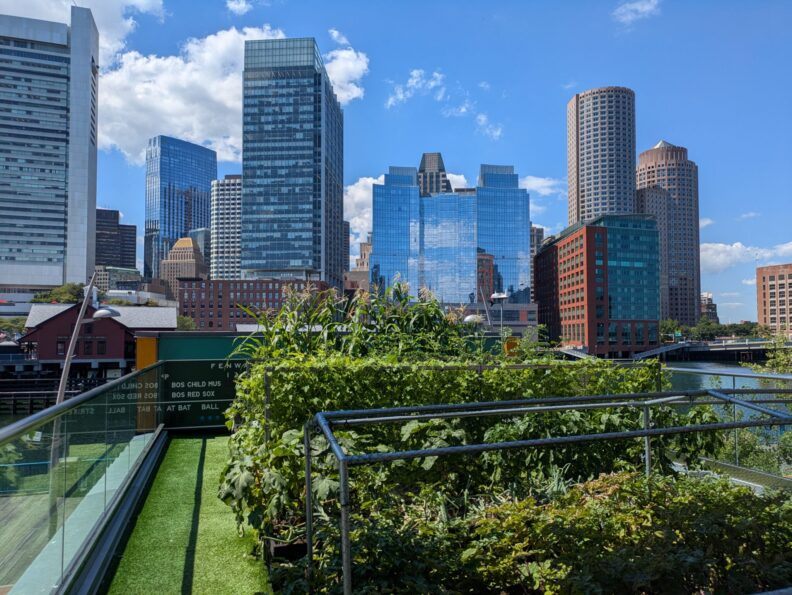
Washington State University is leading the new National Urban Research & Extension Center (NUREC), a first-of-its-kind initiative to advance soil-free urban agriculture. By transforming rooftops, vertical farms, and repurposed spaces into thriving food hubs, the project strengthens local food security and builds sustainable systems for growing cities.

Building “The NEXT” archive for born-digital art and literature

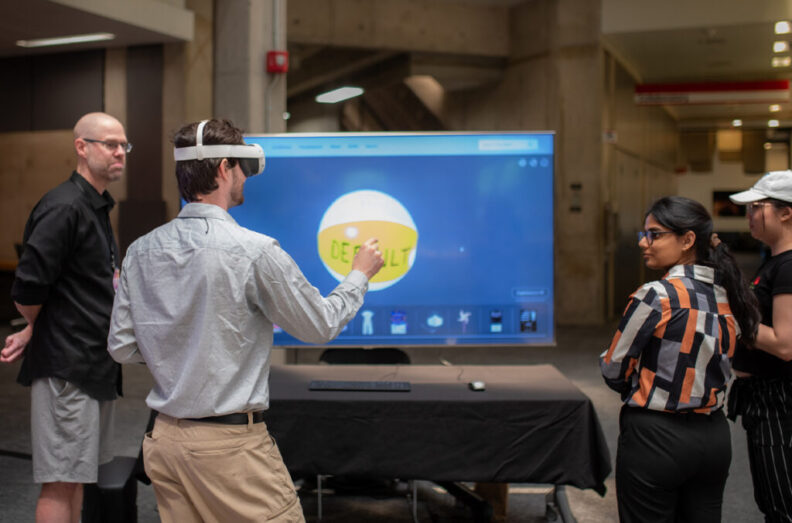
WSU Vancouver’s Electronic Literature Lab is developing The NEXT, an archive that preserves born-digital art and interactive literature. By securing long-term access to works created with now-obsolete technologies and early multimedia platforms, the project ensures these interactive creations remain available to scholars, students, and the public while advancing research in digital humanities and cultural preservation.