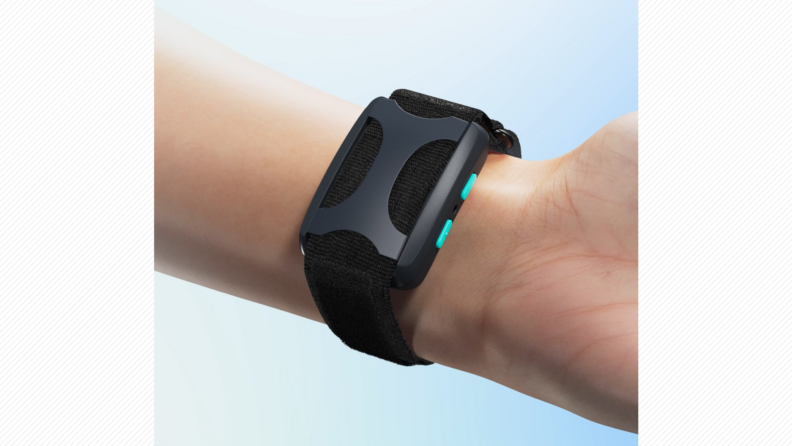
Burnout is an urgent issue for health professional students, affecting an estimated 70% of U.S. medical and pharmacy learners. Symptoms often include depression, anxiety, and unhealthy coping behaviors. A new Washington State University study, Evaluating the Impact of Apollo Neuro™ Wearable on Wellbeing in Medical and Pharmacy Students: A Preliminary Prospective Randomized Controlled Study, suggests that a therapeutic wearable device may help reduce stress and improve wellbeing in these high-demand programs.
The research, published in The American Journal of Medicine, was produced by Skye A. McKennon, PharmD, BCPS, and co-authored by Ross Bindler, PharmD, and Marian Wilson, PhD, RN, from the WSU College of Nursing, along with Jennifer Miller, PharmD, Associate Professor of Pharmacotherapy (BS, Biochemistry, Western Washington University; PharmD, Washington State University), and Dawn Elise DeWitt, MD, MSc, CMedEd, MACP, FRACP, from the WSU Elson S. Floyd College of Medicine.
The team evaluated the Apollo Neuro™, a device that emits gentle vibrations designed to regulate the body’s stress response. In a 12-week randomized pilot study of 66 medical and pharmacy students, participants who used the device showed significant improvements in measures of burnout and overall wellbeing compared to those who did not. Students reported reduced emotional exhaustion and depersonalization, two key components of burnout.
While the study found no major changes in resilience or alcohol use, the findings suggest Apollo Neuro™ is both feasible and effective as a low-burden stress management option for students. This is particularly meaningful because traditional wellness interventions, such as mindfulness programs, are often costly and time-intensive—barriers for students already managing rigorous schedules.
“This study shows promise for wearable technology as a practical support for medical and pharmacy students facing overwhelming stress,” said Wilson. “Future research will help us understand its role alongside other wellness strategies.”Dr. Marian Wilson, MPH, RN, PMGT-BC, WSU College of Nursing
The authors emphasize that larger studies are needed to confirm these results and compare the device with other established interventions. Still, their work highlights a potential new tool for addressing burnout at a time when supporting the mental health of health sciences students is more critical than ever.
Reference: Evaluating the Impact of Apollo Neuro™ Wearable on Wellbeing in Medical and Pharmacy Students: A Preliminary Prospective Randomized Controlled Study DOI: https://doi.org/10.1016/j.amjmed.2025.07.045