August 2025

Study: Students didn’t drive COVID‑19 outbreaks in Pullman

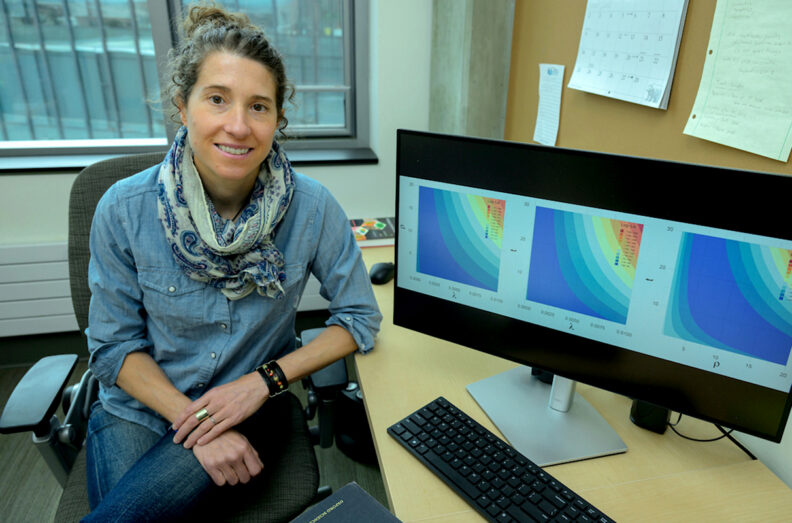
A WSU-led study found that students did not drive COVID-19 outbreaks in Pullman during fall 2020. Using advanced modeling, researchers showed student and community cases were largely separate, with minimal cross-transmission. Effective mitigation efforts like remote learning, social distancing, and mask use helped limit spread. The findings suggest tailored strategies, rather than blanket shutdowns, can better manage future epidemics.
WSU-bred native grasses to compete with wetland-clogging invaders 

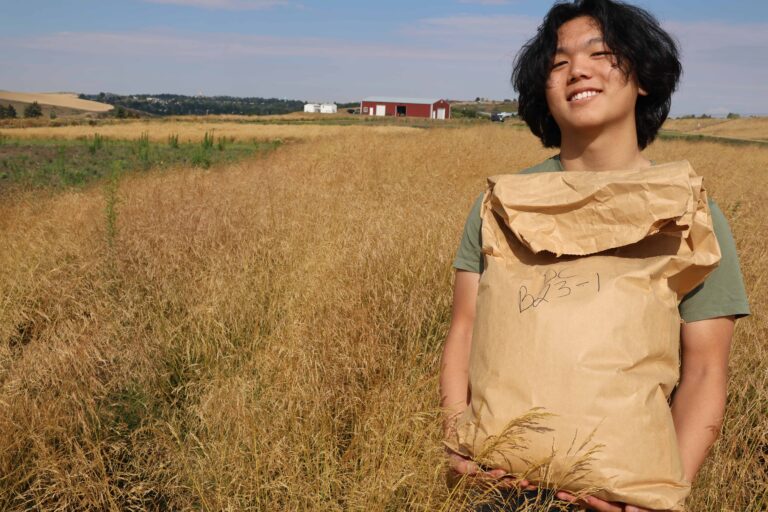
WSU scientists, working with the Idaho Native Plant Society’s White Pine Chapter, bred native wetland grasses that can stand up to invasive reed canary grass. Tested at the WSU Grass Breeding and Ecology Farm in Pullman, these new grasses restore biodiversity, improve habitat, and cut invasive species control costs.

A brave new approach

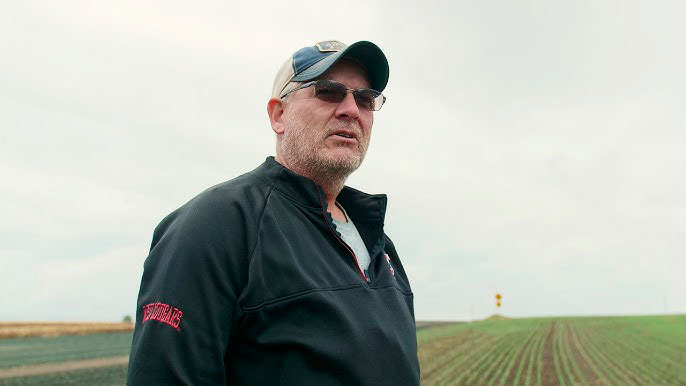
Douglas Poole returned to his family’s farm and embraced regenerative agriculture to heal soil degraded by decades of tillage. Partnering with WSU researchers, he adopted no-till methods, biosolids, and crop rotation to restore soil health and fight herbicide-resistant weeds. As results are emerging, Poole sees regeneration as a long-term legacy for future generations—leaving the land better than he found it.

College Researcher Featured in Prevention Article on Surprising Sleep Disruptors

WSU sleep expert Dr. Hans Van Dongen was featured in Prevention magazine discussing how aging affects sleep patterns. He explained that older adults often wake earlier and may benefit from adjusting their bedtime to match natural sleepiness. Van Dongen, a professor in Translational Medicine and Physiology, emphasized that recognizing subtle changes in sleep needs can improve rest quality. His insights were part of an article on 15 surprising sleep disruptors.

CAREER grant supports research on information leakage

WSU professor Monowar Hasan received a $600K NSF CAREER Award to study information leakage in cyber-physical systems like autonomous vehicles and medical devices. His research focuses on detecting covert timing channels and designing secure schedulers to block data leaks without disrupting system performance, aiming to improve safety and resilience.

Study points way to more efficient liquid hydrogen tanks

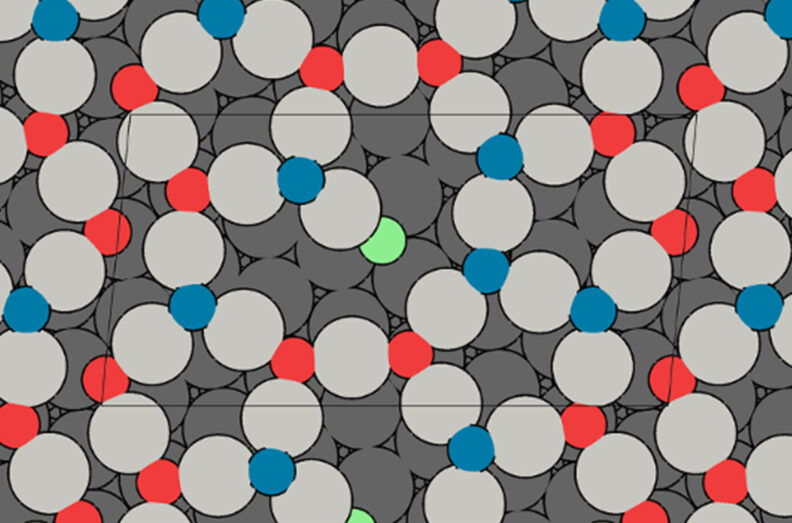
WSU engineers created a mathematical model that shows how to cut boil-off losses in liquid hydrogen storage tanks. Their findings offer strategies to improve tank efficiency, lower costs, and support hydrogen’s role as a clean energy fuel for transportation and industry.

Joint TRIDEC and WSU Congressional and Legislative Staff Tour highlights energy research and workforce

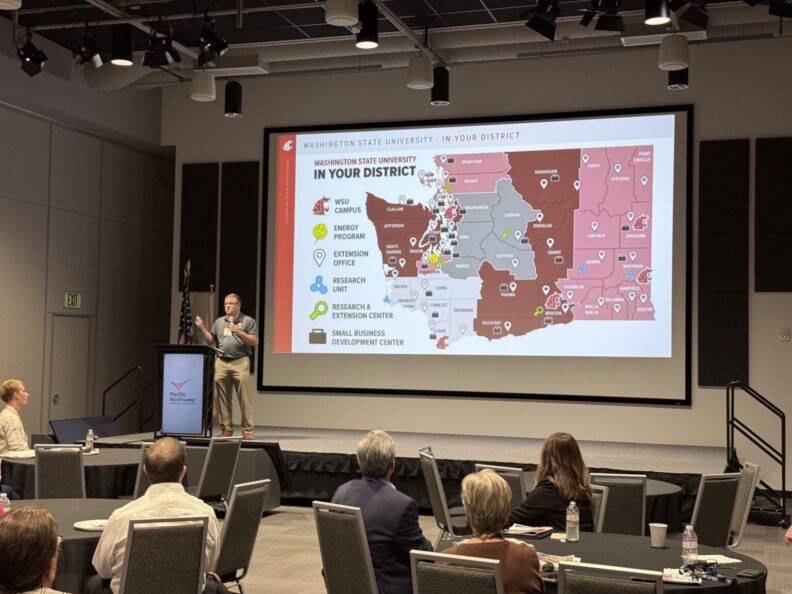
WSU and TRIDEC hosted a four-day tour in the Tri-Cities for congressional and legislative staff, spotlighting energy innovation, workforce development, and student success. Highlights included visits to PNNL, Avalanche Energy, and WSU Tri-Cities, with panels on hydrogen, nuclear research, and alternative fuels. The tour emphasized WSU’s leadership in shaping the future of energy and education.

Award-winning genome mapmaker seeks source of weeds’ herbicide resistance

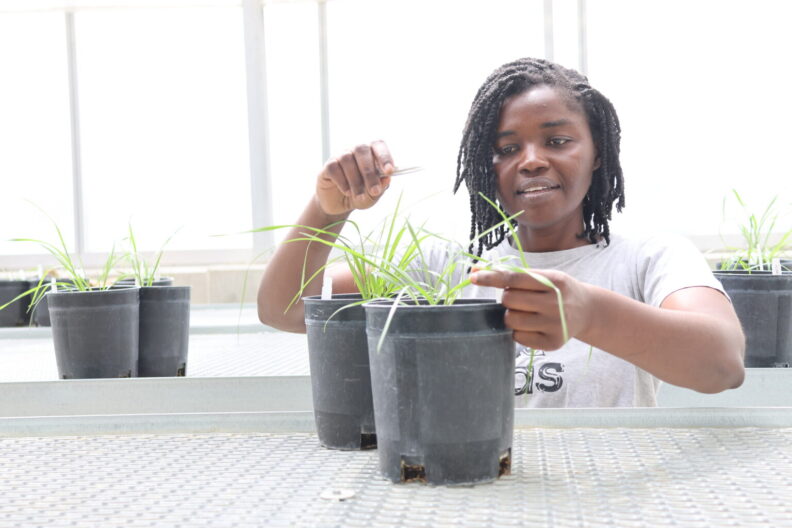
Award-winning WSU postdoctoral researcher Raissa Fon is mapping genomes to uncover the genetic basis of herbicide resistance in weeds. For this work, she was one of 10 early career scientists honored with the 2025 Next Gen Leadership Award from the Genome Partnership. Her research supports sustainable weed management, protects crop yields, and strengthens global food security.

WSU Nursing Faculty Present at Sigma’s 36th International Nursing Research Congress

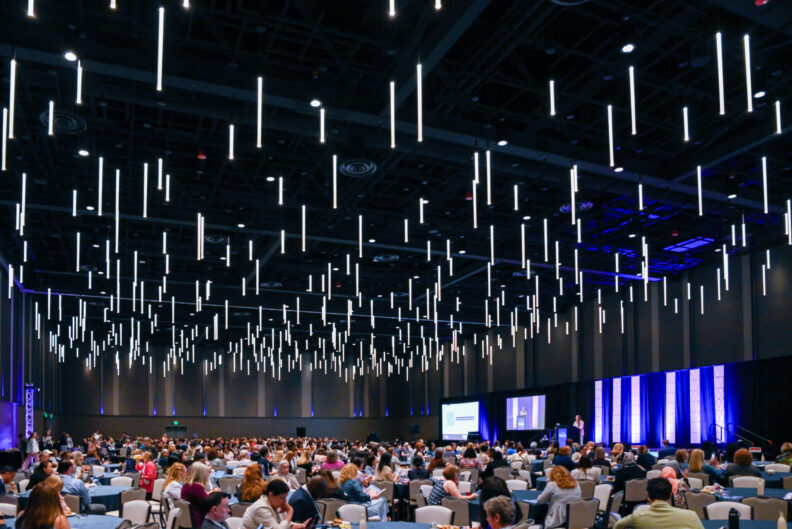
WSU College of Nursing faculty presented impactful research at Sigma’s 36th International Nursing Research Congress in Seattle. Topics included breastfeeding during COVID-19, smart health monitoring for older adults, professional identity in nursing, and return-to-work challenges after substance use-related licensure. The event gathered over 900 global nursing leaders to advance healthcare and foster collaboration.

Hospitals linked to antibiotic resistance in Guatemala

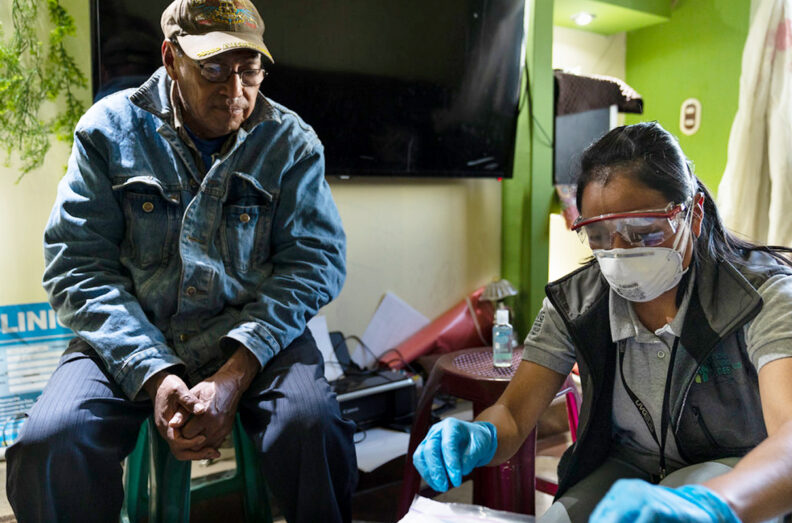
A Washington State University-led study in Guatemala found that recent hospital or clinic visits—not antibiotic use—are the strongest predictor of colonization with antibiotic-resistant bacteria. Urban living, poor sanitation, and unsafe water sources also increased risk. The research highlights how healthcare environments may facilitate transmission and underscores the global threat of antimicrobial resistance.

Researchers use smartwatches to better understand human activity

WSU researchers developed an AI algorithm using smartwatch data to identify everyday activities like working or eating with 78% accuracy. This breakthrough could improve assessments of cognitive health and disease management. The study, based on 32 million data points from 503 participants, lays the groundwork for smarter digital health tools and behavior-aware AI.

WSU entomologist launches massive pollen-mapping project to help pollinators, beekeepers, gardeners, conservationists

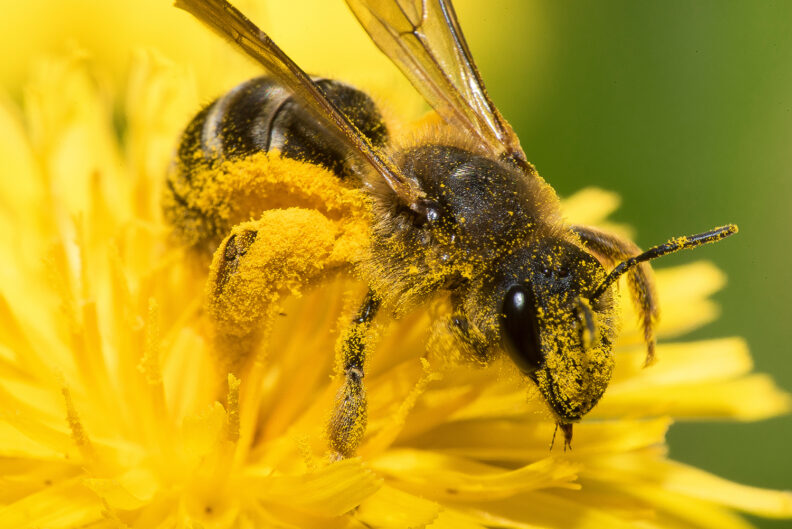
WSU’s Pacific Northwest Pollen Atlas aims to map pollen types and their nutritional value for pollinators. Over four years, citizen scientists will collect pollen to help researchers understand bloom times and forage quality. The project supports bee health, guides gardeners in planting nutritious flora, and helps beekeepers manage hives more effectively.

WSU Nursing Honors Student Publishes Research on Integrative Pain Management

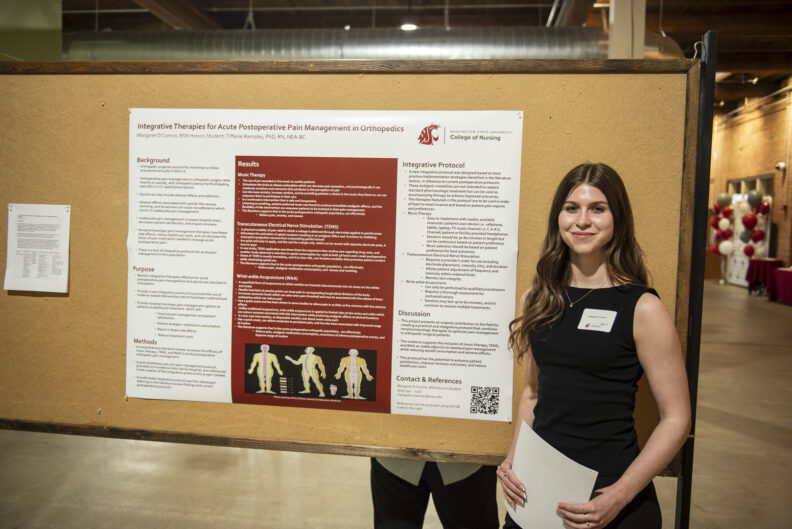
Margaret O’Connor, a WSU Nursing Honors Student, just published her honors thesis in the journal Explore, sharing a new approach to managing pain after orthopedic surgery. Researched alongside Mary Koithan, Dean of WSU’s College of Nursing, their paper is based on a review of 23 high-quality studies, and proposes blending traditional care with music therapy, TENS, and wrist-ankle acupuncture to reduce opioid use and support recovery.

WSU team unlocks biological process behind coho die-offs

WSU researchers previously identified a toxic tire chemical, 6PPD-quinone, as the cause behind coho salmon die-offs after rainstorms. New research, led by PhD student Stephanie Blair, has uncovered the exact biological mechanism for the poison: it breaches brain and gill barriers, leading to oxygen deprivation. This breakthrough paves the way for testing safer alternatives to protect fish and ecosystems.

Catalysts in motion: WSU researchers uncover new paths to cleaner exhaust

WSU engineers, led by Jean-Sabin McEwen, received a $300K NSF grant to study catalytic reactions that reduce car emissions. Using machine learning and advanced modeling, they aim to design more efficient catalysts that require less precious metal, improving pollution control at lower engine temperatures.

WSU researcher: Fund male contraceptive science as women’s health issue

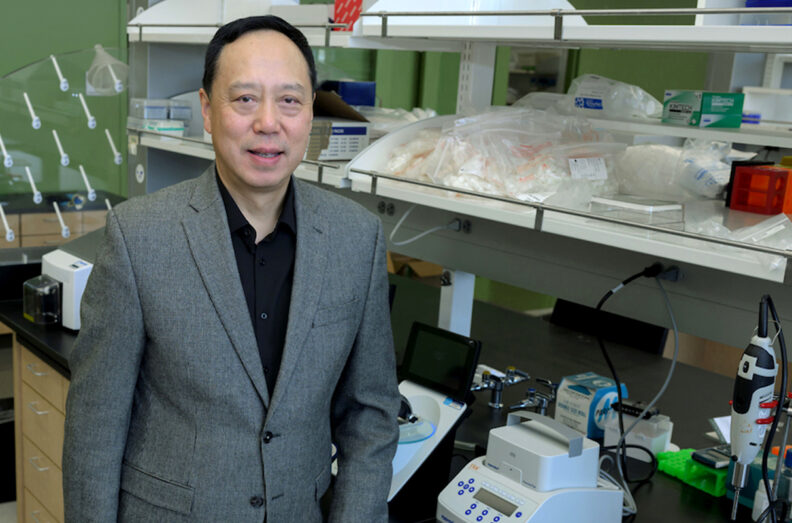
Wei Yan, director of WSU’s School of Molecular Biosciences, is developing a male contraceptive pill that disables sperm rather than eliminating them. He argues this innovation could reduce unintended pregnancies and improve women’s health globally. Despite promising research, including a reversible compound called triptonide, progress is slow due to limited funding and pharmaceutical interest. Yan urges greater investment and reframing male contraception as a critical issue for gender equity and reproductive health.