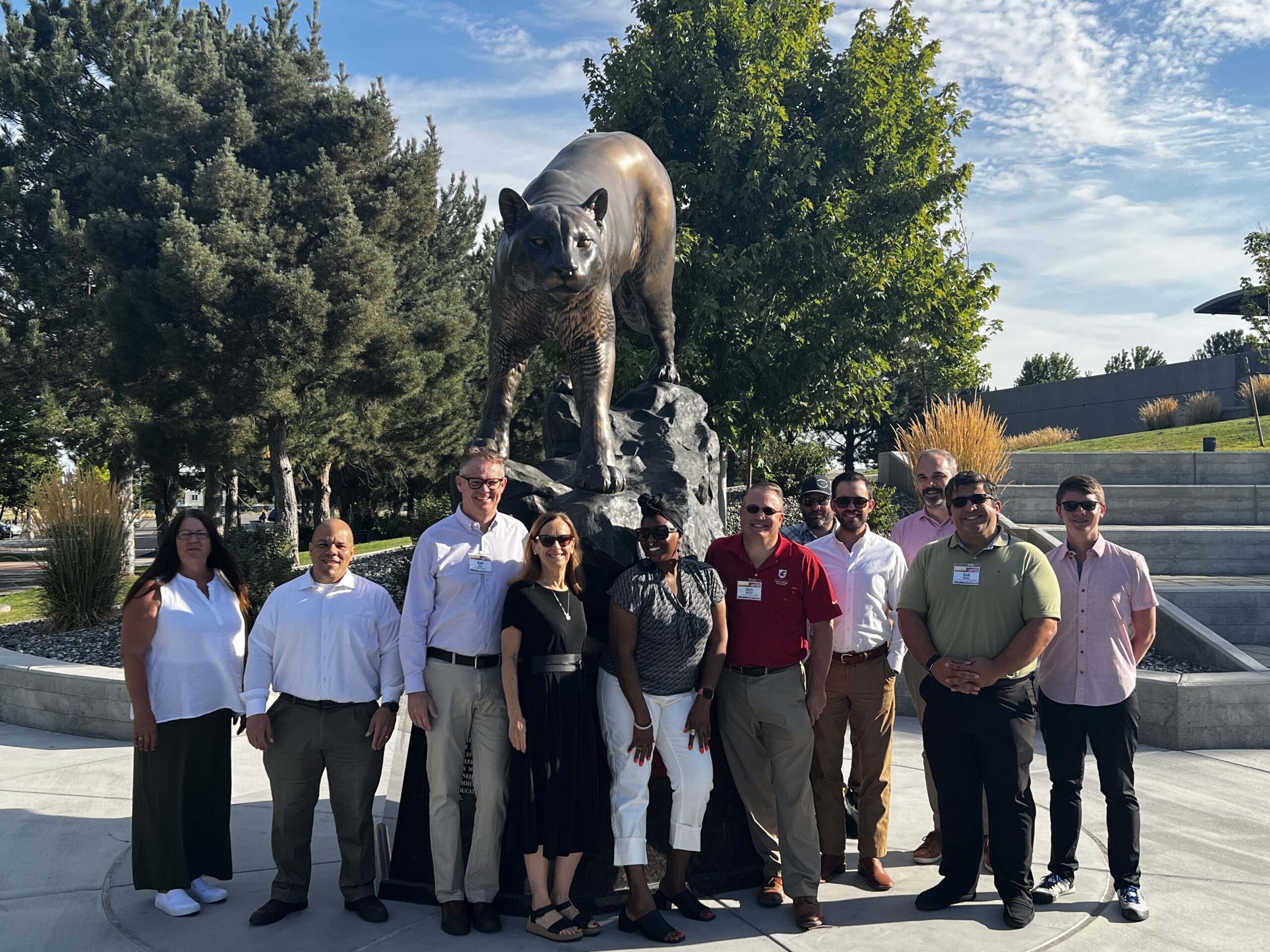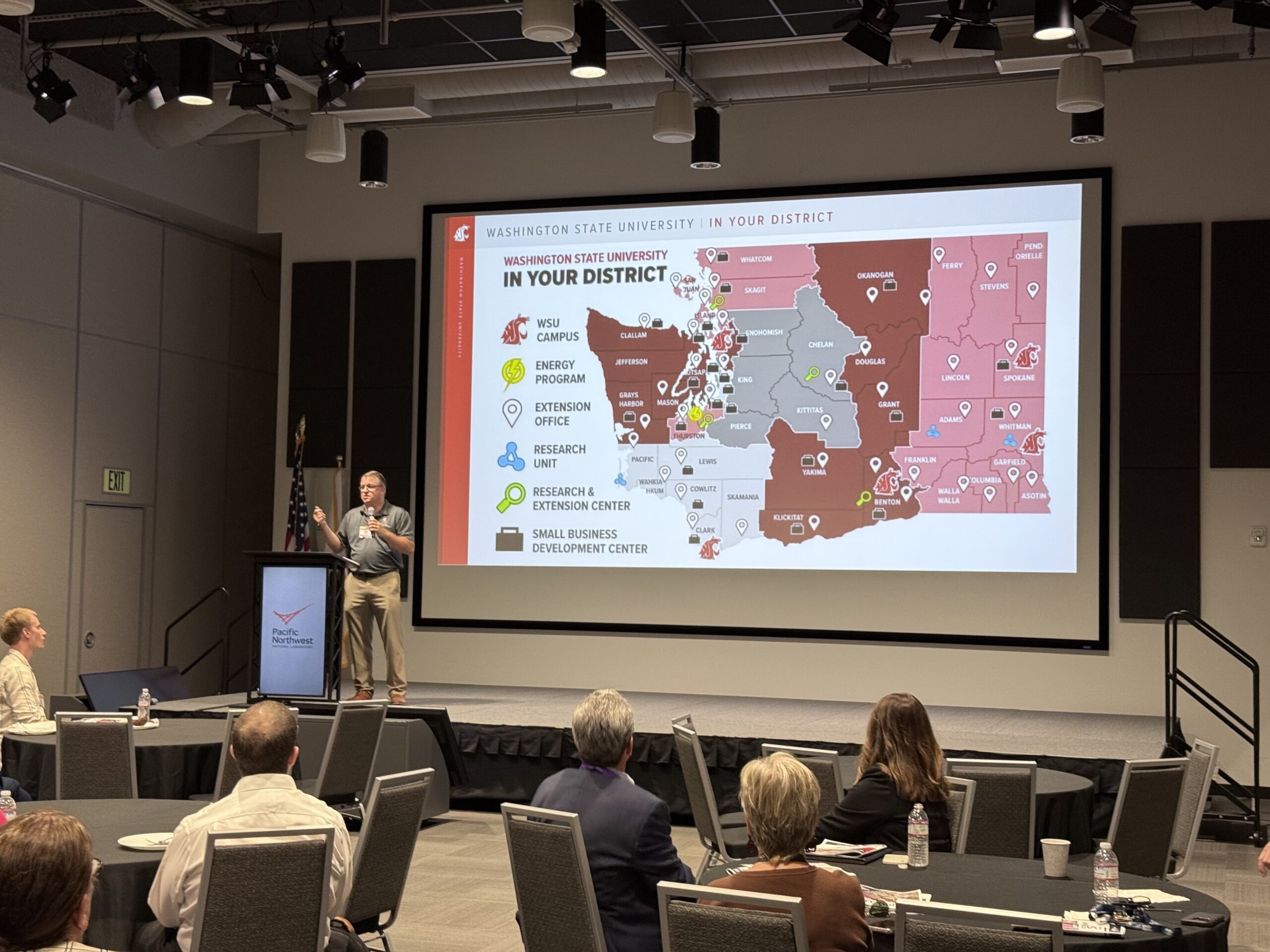
Staffers from across the state and Washington D.C. braved the heat last week in the Tri-Cities to learn about cutting edge technologies and workforce programs related to the country’s energy system. The four-day Congressional and Legislative Staff Tour was hosted by the Tri-Cities Economic Development Council in partnership with Washington State University.
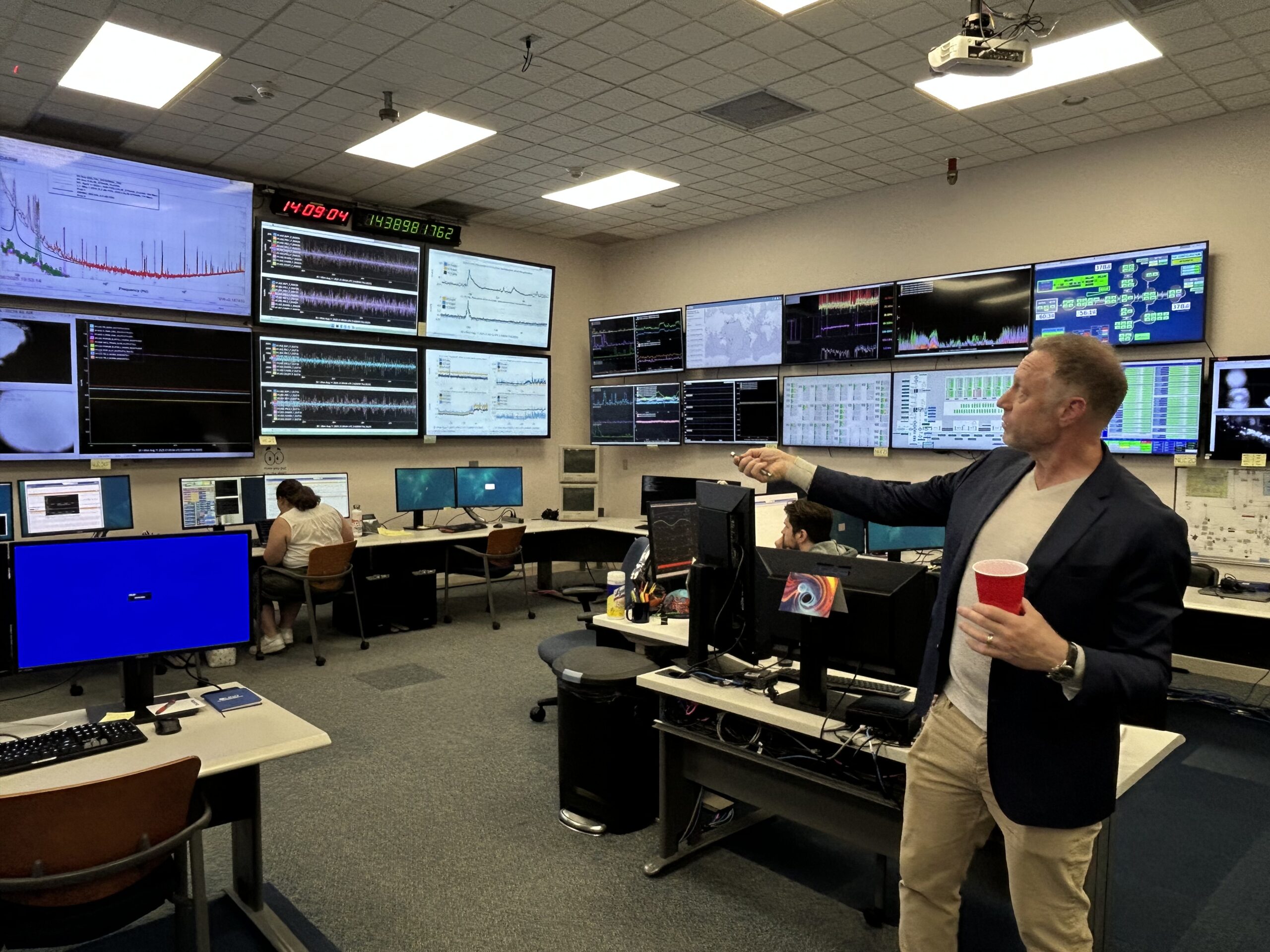
Kicking off at the Laser Interferometer Gravitational-Wave Observatory, participants saw how scientists are learning from gravitational waves to advance breakthroughs in areas like laser technology and seismology, while learning more about cosmic events. The first day continued with visits to Framatome’s nuclear fuel manufacturing facility and later to Terra Blanca Winery & Estate Vineyard, where guests learned about grape growing and Washington’s wine economy.
Day two was spent at Pacific Northwest National Laboratory, where participants learned about energy management efforts and new technologies being developed at the lab, among other highlights.
Later in the day the group visited Avalanche Energy, a company that is bringing advanced fusion technologies to commercial testing to provide power in challenging scenarios, with applications including data centers, disaster relief, and defense. The next stop saw the group visit Energy Northwest, the operator of the region’s only operating nuclear power plant.
The group toured the Hanford Site on day three, offering a chance to see progress on its cleanup efforts having been established in the 1940s as part of the Manhattan Project.
The final day was spent on the WSU Tri-Cities campus. Participants learned about WSU’s research endeavors in the nuclear space and how WSU is positioning itself to further support a modern nuclear workforce.
Dr. Josh Heyne, director of the WSU Bioproducts, Sciences, and Engineering Lab, toured participants through research facilities to highlight the university’s leadership in supporting alternative jet fuel development. A demonstration in which alternative jet fuel and conventional jet fuel were burned showed considerably higher amount of soot being generated by the latter.
Later, two panels showcased efforts WSU has contributed to in the development of a hydrogen ecosystem in the Pacific Northwest and producing applied research to integrate energy systems through the WSU Institute for Northwest Energy Futures (INEF). Atkins Realis, an environmental cleanup technology company that operates a technology center in the Tri-Cities, talked up its efforts to provide internships and other educational experiences for WSU Tri-Cities students.
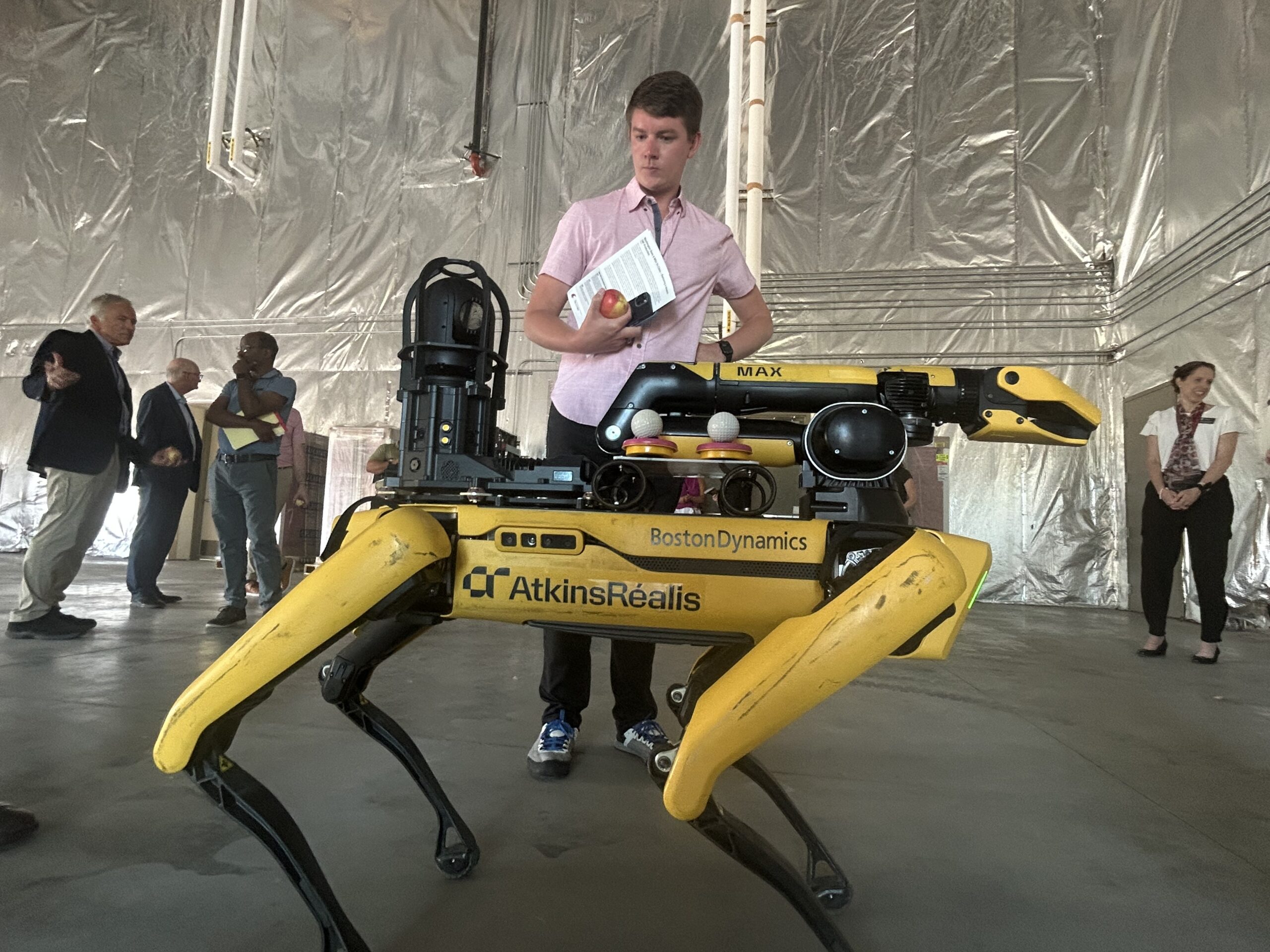
Guests also got to sample the new WA 64 apple, known as Sunflare, which is still three years away from being commercially available.
The tour wrapped up with a panel of students who talked about their educational experience at WSU Tri-Cities. It was frequently noted that WSU Tri-Cities was their solution to being place-bound and not wanting to further move to tackle their degree. Two of the five students had gone back to school for their second degree and noted that moving to attend school to help them alter their career trajectory would have been impossible for them.
WSU appreciated the opportunity to partner with TRIDEC and showcase how its research and education is advancing the Tri-Cities region as a national leader in energy solutions and workforce.