February 2025

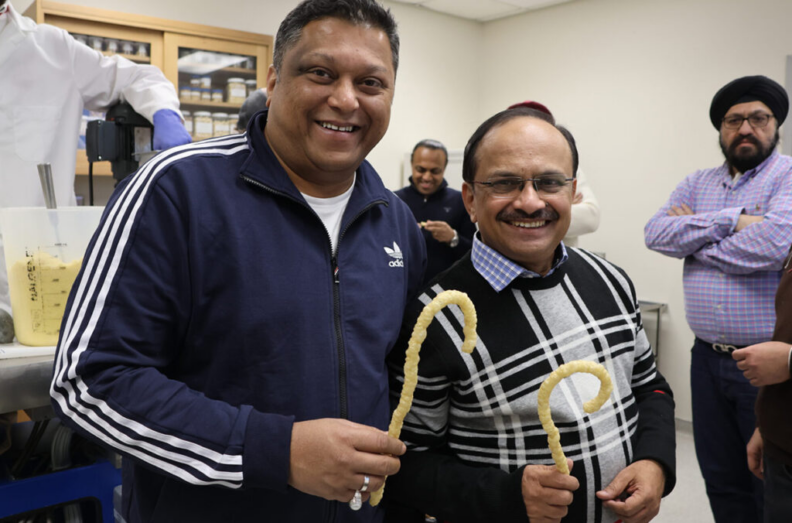
Indian food industry leaders discover power of US-grown pulses during School of Food Science visit

WSU’s School of Food Science recently hosted food industry leaders from India for a week of training on pulses like peas and lentils. Led by Professor Girish Ganjyal, the program explored how pulses can be processed into nutritious products, benefiting U.S. growers and expanding markets globally.
Changes in Federal Research Funding (Update)

In recent weeks, there have been significant and rapid changes to the legal and procedural landscape affecting researchers and the federal agencies that fund much of WSU’s research. To keep our WSU community informed, we have created a dedicated web page with agency-specific updates and information.

Koerner Fellowship supports idea of tiny robotic submarines

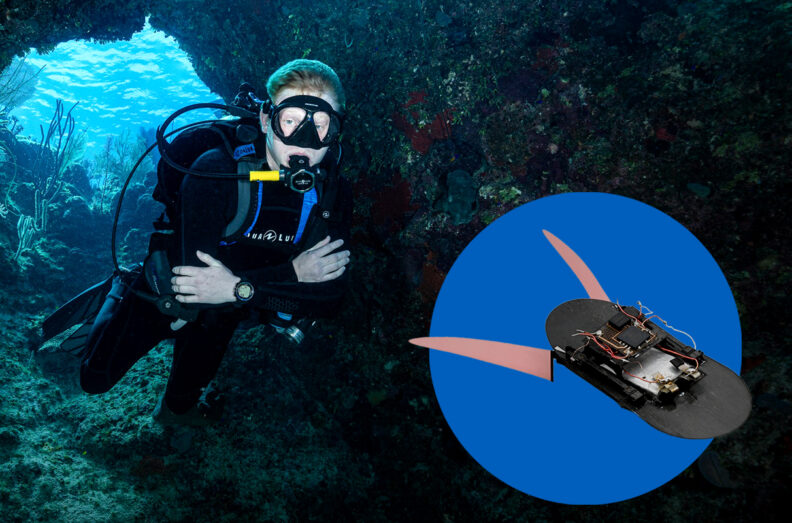
During his scuba diving experiences, Washington State University graduate student Conor Trygstad has looked into tiny caves within coral reefs and wondered about the wildlife that lurks there. In recent years, he has worked to make his childhood dream of a tiny, insect-sized submarine that could explore those depths into reality.

WSU researchers have greater repository features with new Dryad rollout

Washington State University Libraries will supplement services for data storage and sharing, provided by WSU’s Research Exchange, with Dryad, an open data-publishing platform and nonprofit that serves all research disciplines and accepts data submissions in every field.

Research Radar: February 26, 2025

I ran track and cross country in middle and high school. I really wanted to be a sprinter, but I wasn’t built for that. I remember my coach pulling me aside and telling me that while the glory seemed to lie in sprinting, endurance was the real flex. He was right. I continue to run, although not the distances I used to. As I got older, the solace of long-distance running was what I craved. After mile two, all the to-do lists, the things I should be doing, and the noise of the day fell away.

New research investigates hemp-derived cannabinoids for relief from menopause

Washington State University researchers are investigating whether hemp-derived cannabinoids can help relieve menopause symptoms in adults by conducting clinical research on their effects, aiming to expand non-hormonal treatment options and improve quality of life.

WSU researchers explore the role of sleep in cancer prevention and treatment

In this feature for National Cancer Prevention Month, readers can learn about some of the ways Washington State University Elson S. Floyd College of Medicine researchers are investigating the link between peoples’ sleep and their risk of developing the often-fatal disease.

AgAID Hackathon aims to use AI to benefit the agriculture industry

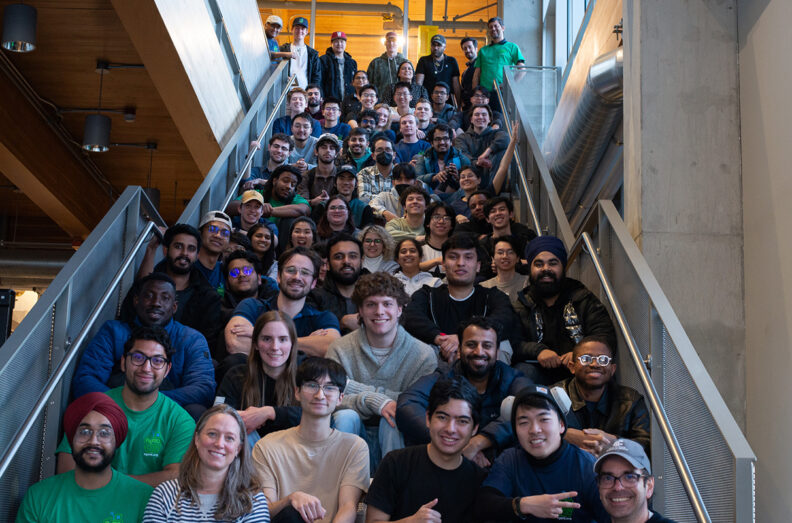
Nearly 70 students from Washington State University worked continually for 48 hours as part of the second AgAID Digital AgAthon, an event designed to apply artificial intelligence to real-world agricultural issues and to address challenges in Washington’s agriculture industry.

WSU College of Veterinary Medicine ranks among top in research expenditures

Washington State University’s College of Veterinary Medicine invested more than $49 million in research and related activities during fiscal year 2024, placing it among the nation’s top veterinary colleges.

New Tech for Managing Type 1 Diabetes is Effective for Older Adults

Washington State University researchers and clinicians outlined advances in managing type 1 diabetes, highlighting emerging technologies, treatment strategies, and patient-centered care approaches that improve blood glucose control and quality of life for people living with the condition.

Researchers make up for missing data in wearable health monitoring sensors

Washington State University researchers have developed an advanced algorithm to fill in the missing critical data from wearable devices, ensuring accuracy even when sensors fail. This breakthrough could transform healthcare, making continuous monitoring more reliable for those in need.

Top of the list

Washington State University is leading the way in sustainable aviation fuel research! A recent study ranked WSU as the top global SAF scientific literature contributor. Their groundbreaking work is shaping the future of aviation, reducing carbon emissions, and advancing sustainable fuel production.

Seed grant funding awarded to six collaborative projects

Washington State University Health Sciences and Seattle Children’s Research Institute awarded $300,000 in seed grants to six collaborative projects addressing pediatric health challenges. This partnership combines expertise to advance research in neurodevelopment, tuberculosis, substance use, juvenile arthritis, and obesity-related asthma, aiming to drive clinical innovations and improve health equity.

Shaping the future of veterinary medicine

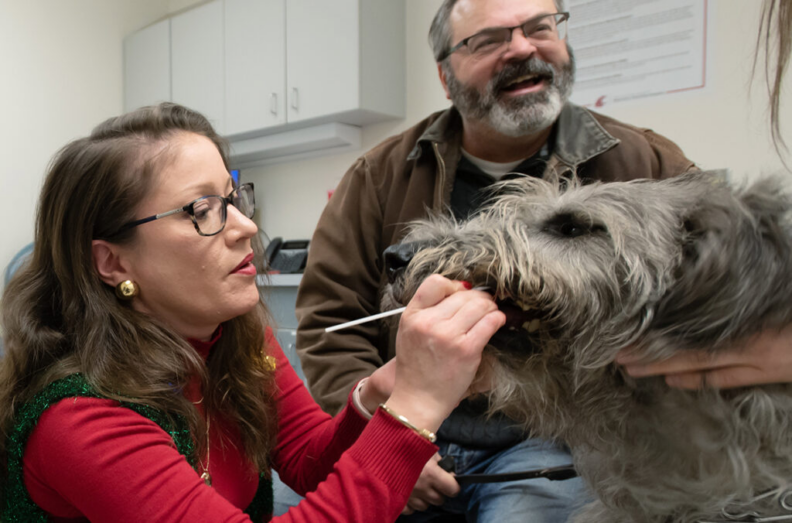
Researchers at Washington State University’s College of Veterinary Medicine, are using precision medicine to identify hidden genetic mutations in pets that can lead to life-threatening conditions like malignant hyperthermia. By using advanced genetic techniques, such as next-generation sequencing, they aim to predict, diagnose, and treat these silent threats before symptoms appear.

WSU wine scientists show pre- and post-fermentation alcohol adjustments have comparable results

WSU research reveals winemakers have more control over wine style than previously thought. A recent study on Sauvignon blanc shows that both pre- and post-fermentation alcohol adjustments can shape aroma and taste, helping winemakers adapt to climate change while meeting the growing demand for low-alcohol wines.

Research Radar: February 12, 2025

I remember the first big federal grant I was awarded. I was in my third year at WSU, and it was the one I had been waiting for—the grant that would allow me to move forward with the implementation of my core research. I wasn’t taught how to write a grant budget in graduate school, so everything about this process was new to me. This grant had subcontractors, multiple co-investigators, and a lot of moving parts. When I received the first draft budget back from my college’s grant administrator, I was confused by the indirect cost rate application. What was F&A? And why was it part of my grant? What I learned then, and what has stuck with me, is that these indirect costs are what make all research possible—whether in labs, in the field, in studios, on farms, or in clinics.

New study looks at nostalgia, comfort in food preparation for older adults

Washington State University research highlights nostalgia and texture variety in meal preferences among older adults. Findings indicate that foods evoking a sense of comfort, while a diverse range of textures enhances overall appeal. These insights may contribute to the development of nutritious and convenient meals designed to support the well-being of aging populations.