New ‘Matchless’ grass variety yields high seed count without need for field burning
A new variety of Kentucky bluegrass has been commercially released by researchers at Washington State University.
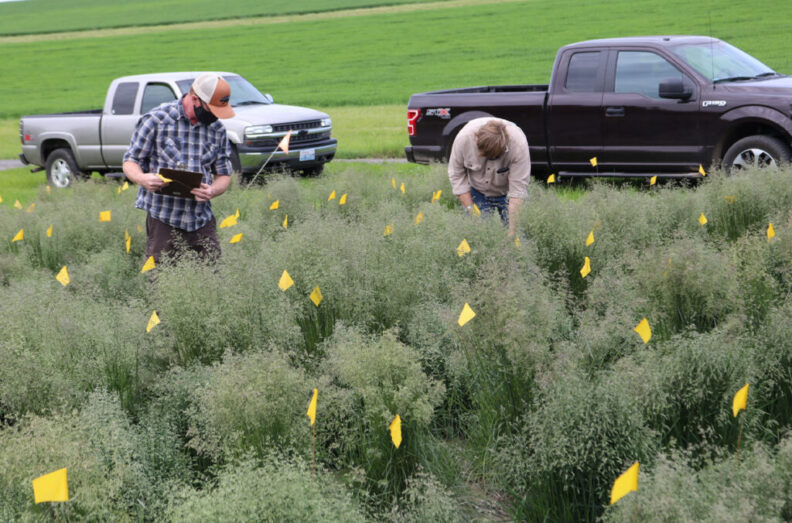
A new variety of Kentucky bluegrass has been commercially released by researchers at Washington State University.
My first day as vice president for research at WSU was January 20—Inauguration Day. The announcement of my appointment came on January 8, and the flood of congratulatory messages was humbling. Many were from colleagues I’ve known over my nearly 20 years at WSU, and others were from faculty, staff, students, and industry partners I haven’t had the chance to meet yet. As I was sharing this outpouring of goodwill with a colleague, she said, “Savor it while it lasts.” She was, of course, right. The reality of our work is that things can change quickly—even with careful planning. And I am definitely a planner.
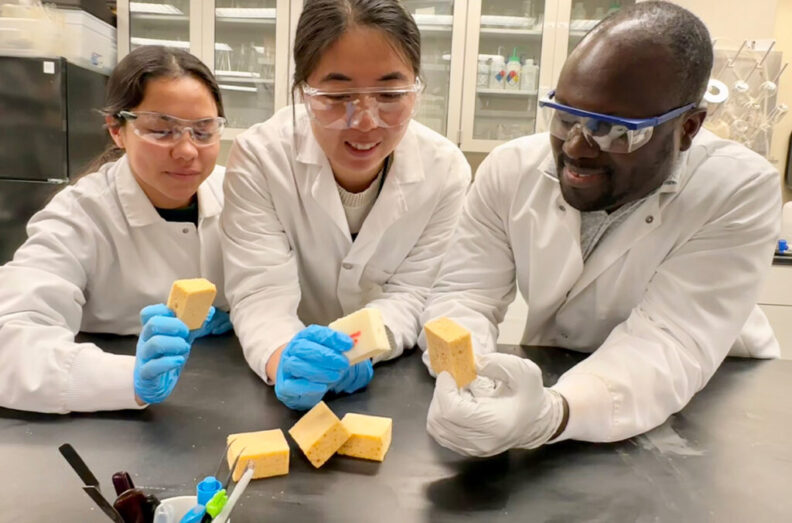
Washington State University researchers developed a plant-based alternative to fossil fuel–derived ingredients used in plastic foams, offering a more sustainable material that could reduce environmental impacts and support renewable manufacturing across packaging and construction industries.
Transitioning to a new government administration takes time. The Office of Research will post updates and additional agency-specific information on the Federal Funding Updates page.
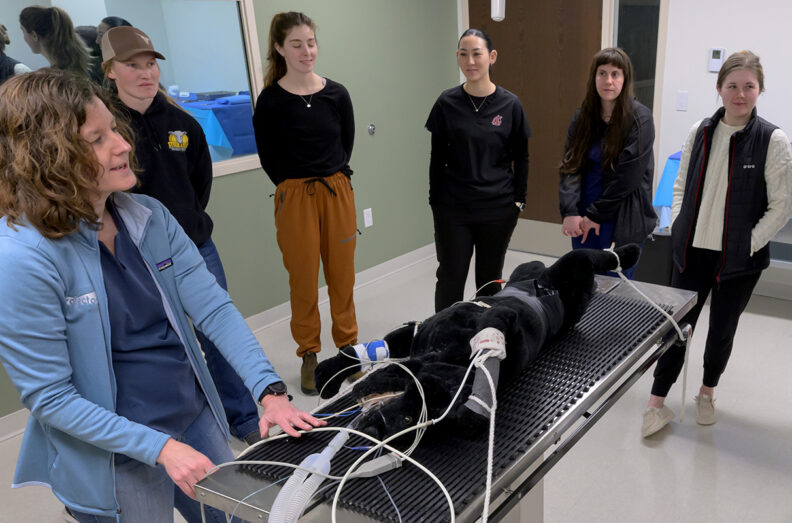
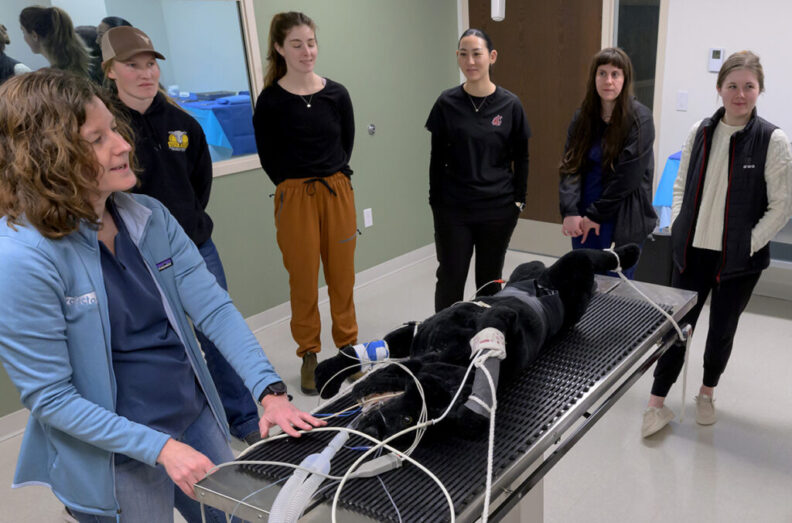
Following an $8 million renovation, Washington State University now holds the keys to one of the most advanced simulation spaces in veterinary education.
When it comes to getting people to want to go places, the future is ever more lovely than the past, according to a new Washington State University-led study in the Journal of Hospitality and Tourism Research.

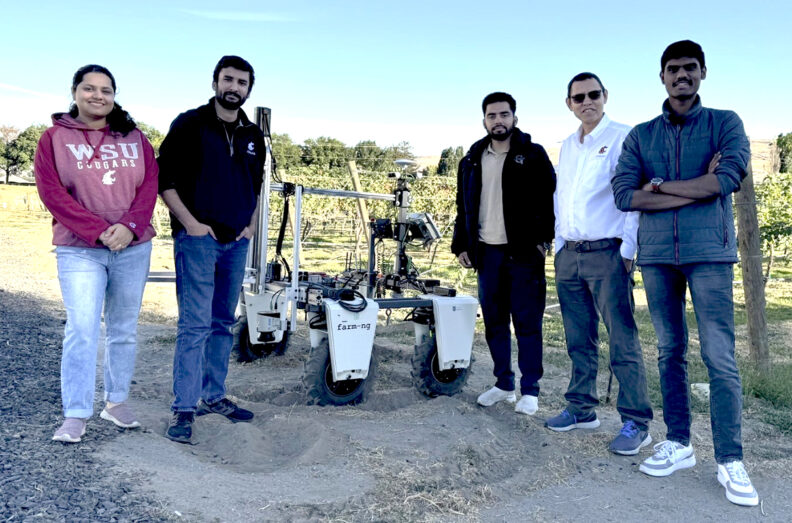
An autonomous fruit bin-hauling robot developed by Washington State University graduate students and Heritage University undergraduates caught the eye of judges in a recent farm robotics competition.
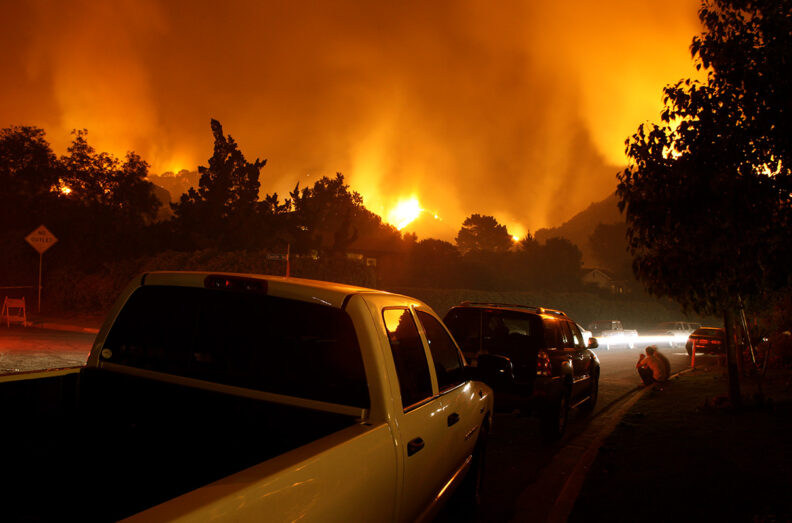
Computer models that take into account how people act might someday be able to predict the ensuing evacuation challenges and traffic problems that occur during wildfire emergencies.
Whenever I meet someone new and introduce myself as a professor, their first question is usually, “What do you teach?” While our students are undeniably the focus of our mission, our role extends beyond conveying what is already known. Creating new knowledge through research is central to the mission of an R1 university. As a land-grant institution, we are explicitly charged with the missions of teaching, research, and service. The Kellogg Commission on the Future of State and Land-Grant Universities has reinterpreted these roles as “learning, discovery, and engagement.” I appreciate this modern interpretation, as it feels more inclusive of all our faculty’s scholarly work.
Washington State University’s Skagit County Extension is offering free telehealth mental health counseling, providing up to six sessions with licensed psychologists to Washington farmers and agricultural workers to address stress and improve wellbeing in rural communities.

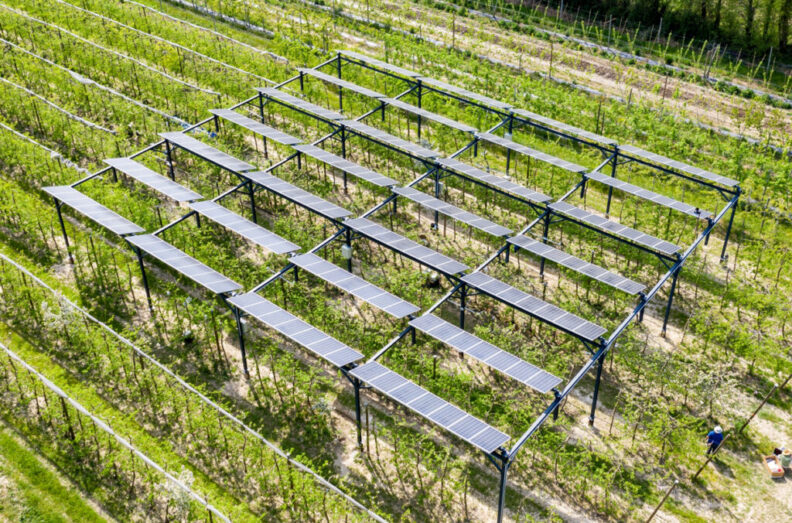
Washington State University’s Institute for Northwest Energy Futures (INEF) has received a $2.4 million grant from the Washington State Department of Commerce to demonstrate the economic and agricultural feasibility of using solar panels concurrent with apple production in Washington.
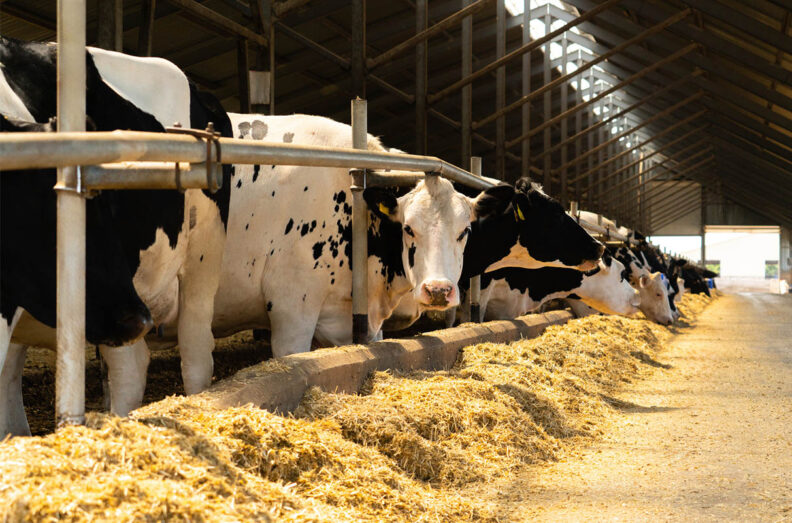
The bird flu is not just in birds anymore. The virus H5N1 is spreading rapidly in dairy cows — and sometimes jumping to the people who work with them. Washington State University’s Murrow College of Communication researchers are helping tailor messages to reach dairy workers to help keep them and their herds safe.
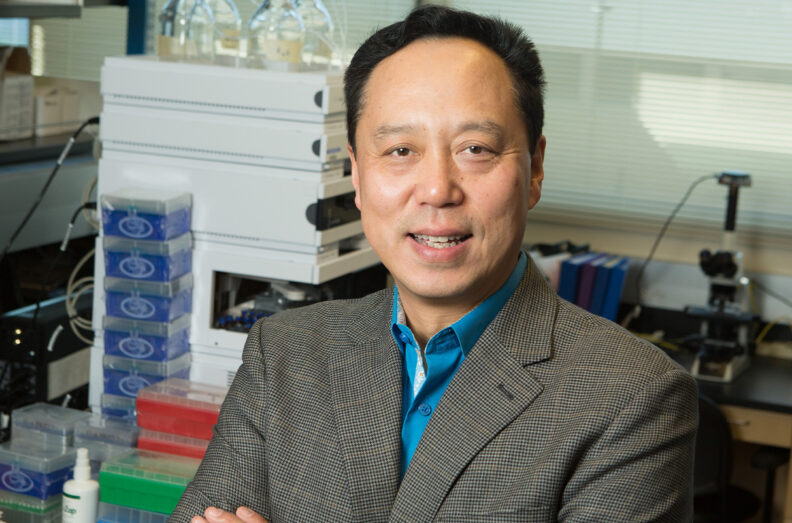
Dr. Wei Yan, an internationally recognized fertility researcher and former professor of medicine at the David Geffen School of Medicine at UCLA, is the new director of Washington State University’s School of Molecular Biosciences.
Undergraduates who are or plan to be engaged in research, scholarship, and creative activities with a mentor are invited to consider applying now for a 2025–26 research fellowship award.

Kim Christen has been named vice president for research following a comprehensive internal search. She will officially step into the role Jan. 20, 2025.

Washington State University is completing an $8 million renovation of its Simulation Center to expand health sciences training, improve clinical education, and support workforce development through advanced simulation technology used by students, researchers, and healthcare partners across the region.
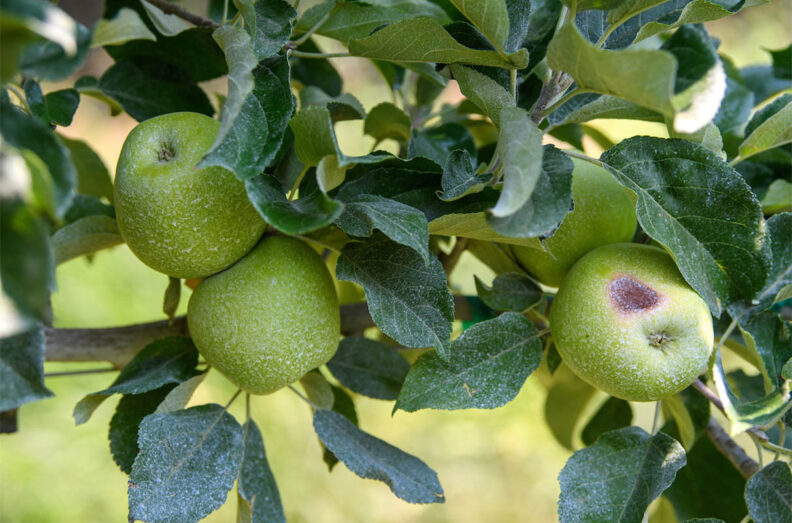
Some of the most productive apple regions in America are facing big challenges from a changing climate, according to a Washington State University study.