October 2024

Dairy farm upgrades will benefit cows, students, cheese lovers

Cougar Gold cheese and ice cream from Ferdinand’s Ice Cream Shoppe rely on one thing above all others: milk. Most of that milk comes from WSU’s Knott Dairy Center, where roughly 160 lactating cows are milked every day.

The Matteson reaction: A catalyst for generosity

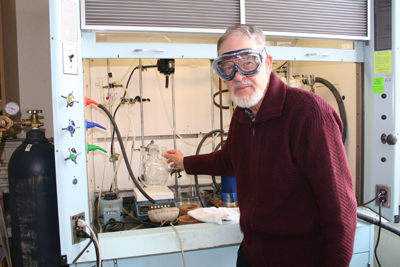
In the world of chemistry, the Matteson Reaction is known for its ability to form carbon to carbon bonds, a crucial process in organic synthesis. However, in the College of Arts and Sciences, the “Matteson Reaction” means something more profound: the transformative power of an exceptional faculty member on the lives of students and the ripple effect that continues long after graduation.

Research Rader: October 30, 2024

When I decided to pursue a Ph.D. in engineering, I was drawn to the simplicity of establishing equations that governed specific problems, setting up optimization routines, and ultimately arriving at solutions. Having just completed two degrees in natural resources and environmental sciences with an engineering focus, I had grown tired of the social debates and conflicting goals surrounding resource utilization. However, over the years, I came to realize that engineering-optimized solutions rarely prevail in society, as they often overlook factors that are difficult to quantify. Today, I find myself working as an engineer alongside economists, policymakers, resource managers, and social scientists, contributing to society’s transition to clean energy.

Dead man’s fingers, alien eggs, and zombies: Unwrapping the weird, charismatic lives of fungi

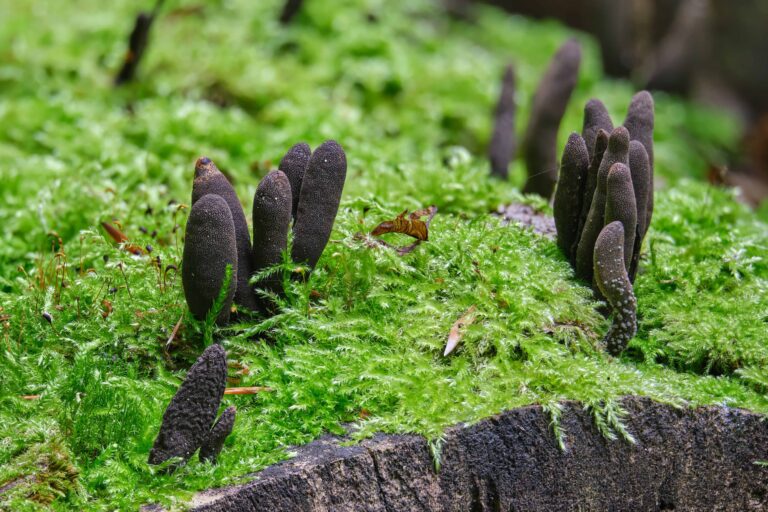
In a basement room under Washington State University’s Pullman campus, Monique Slipher unwrapped odd fungal forms: finger-like organs, tentacle-studded galls, and the dried remains of “zombified” fungus-infected insects.

Xylaria polymorpha, commonly known as dead man's fingers close-up. Saprobic fungus among green moss in a summer forest

WSU’s first buckwheat variety named for inspiring Olympic Peninsula farmer

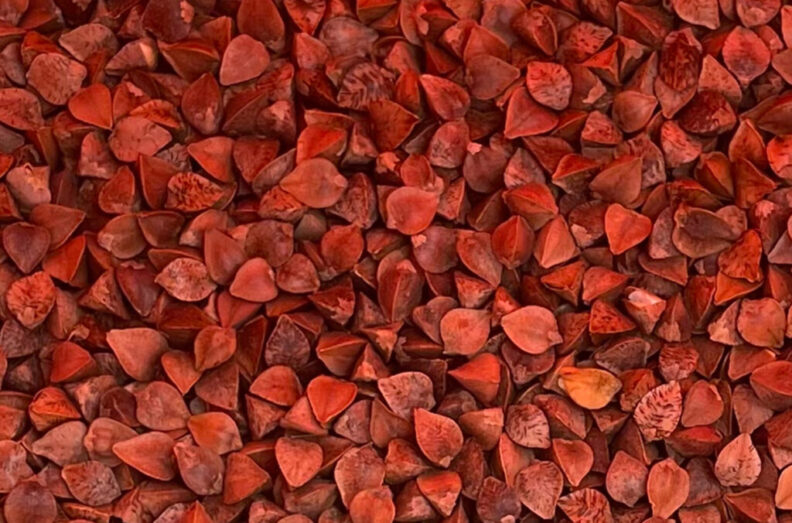
Washington State University’s first buckwheat variety honors the late Tinker Cavallaro, an Olympic Peninsula farmer who inspired neighbors to sustainably grow their own healthy food.

Historian explores the legacy of Steptoe Battlefield

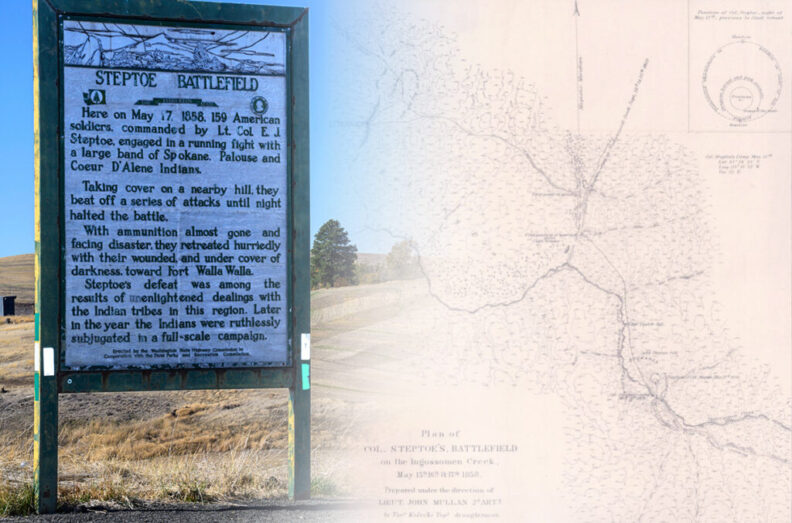
When Ryan Booth was a PhD student researching the history of the U.S.-Indian Wars in the post-Civil War period, he noticed that scholars did not pay much attention to the conflicts that occurred in the Northwest during that time. Steptoe Battlefield, some 40 miles north of Pullman, is one of those sites.

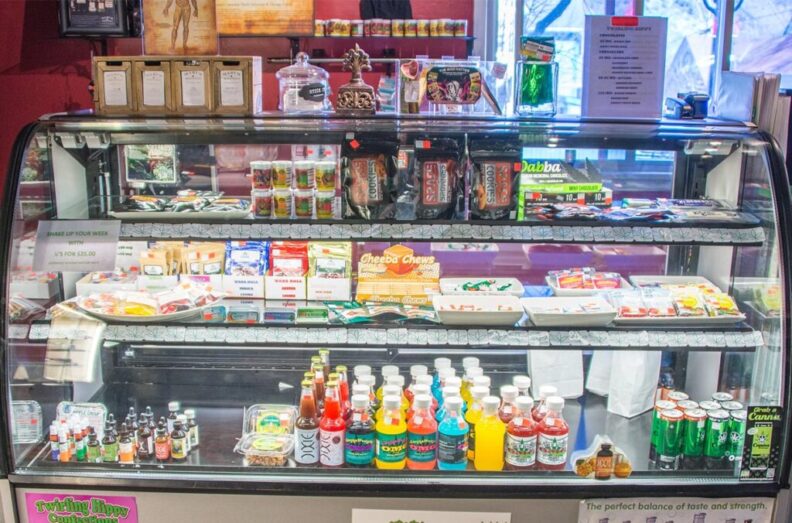
Minor cannabinoid shows promise in reducing anxiety

Washington State University researchers found that the minor cannabinoid cannabigerol (CBG) reduced self-reported anxiety and stress in healthy adults without causing intoxication, suggesting potential therapeutic applications for anxiety management and informing future cannabinoid research.

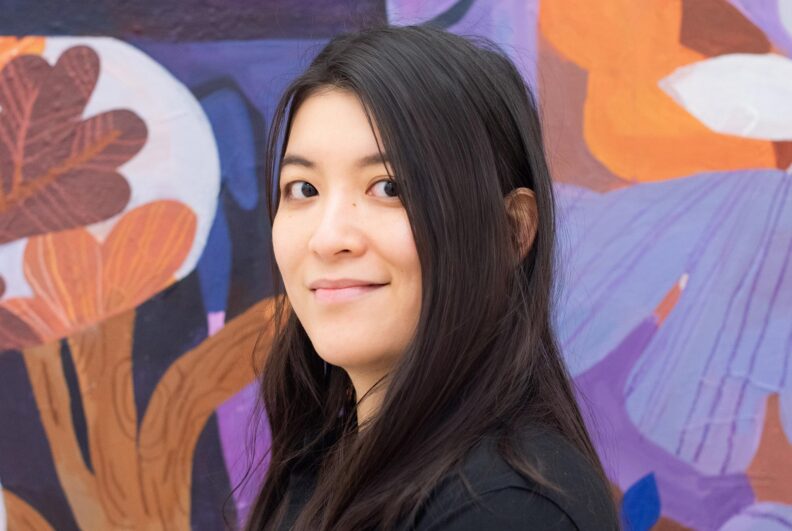
Jiemei Lin: Exploring History, Womanhood, Motherhood, and Cultural Identity

This Faculty in Focus highlights the research and creative work of Jiemei Lin, assistant professor in the Department of Art, in the College of Arts and Sciences. Lin uses visual communication to tell stories, helping audiences of all ages navigate issues of social justice and identity.

Jiemei Lin, assistant professor in the Department of Art, College of Arts and Sciences, WSU Pullman.

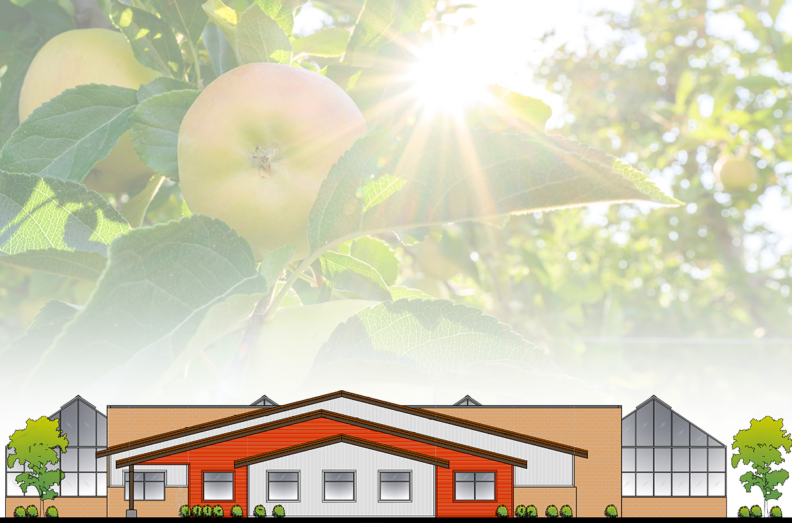
WSU unveils campaign for new Plant Growth Facility to improve tree fruit research

Washington State University will launch a fundraising campaign this fall to create a state-of-the-art space for tree fruit research: the new Plant Growth Facility at the Wenatchee Tree Fruit Research and Extension Center (TFREC).

An architect's illustration shows one side of a planned state-of-the-art Plant Growth Facility, which would more than double greenhouse space and provides modern infrastructure for tree fruit research. A fundraising campaign will kick off on Oct. 29. In the background, apple varieties grow in an orchard serving WSU's Wenatchee Tree Fruit Research and Extension Center.

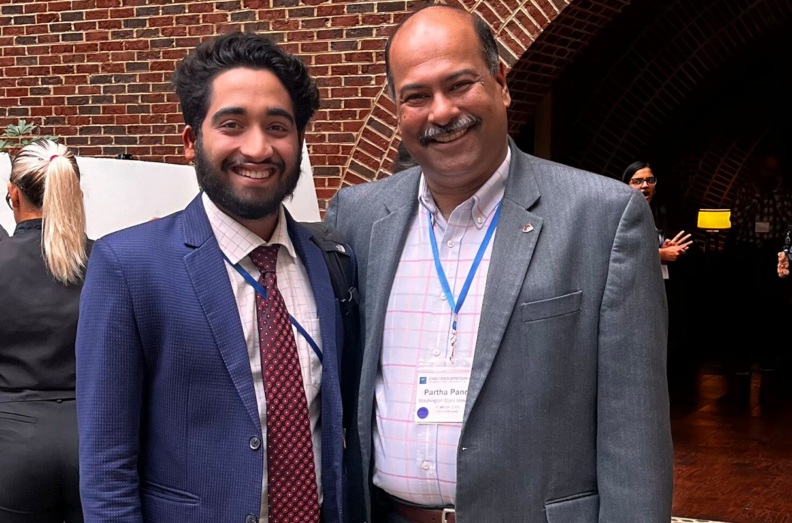
Researchers receive CASES best paper award

School of Electrical Engineering and Computer Science (EECS) researchers Harsh Sharma, Ananth Kalyanaraman, and Partha Pande recently received a best paper award at the International Conference on Compilers, Architectures, and Synthesis for Embedded Systems (CASES).

Research Radar: October 16, 2024

I often get asked about the best part of being vice president for research. For me, the answer is simple: It’s being able to witness the diverse and impactful work conducted by all of you. Last week, I had the opportunity to attend a lecture by our colleague Jana Doppa, who was honored with the Anjan Bose Research Award in the Voiland College of Engineering and Architecture. Instead of simply showcasing his many achievements, Jana used the lecture to discuss how AI could impact various research fields and attract new collaborators. He is a true Coug!

Older adults appear less emotionally affected by heat

When the outside temperatures rise, people tend to lose their cool. That connection is well known, but a Washington State University-led study found that emotional responses to heat are highly individualized and only one factor moderated it — age.

Butterflies benefit if you grow native plants, pull weeds

Washington State University researchers report that planting native plants and removing weeds enhances local butterfly habitat by increasing access to nectar and host plant resources, supporting pollinator diversity and ecosystem health while informing sustainable landscaping and conservation practices.

How WSU worked with one man’s vision to cure juvenile arthritis

John Lynch founded the Rheumatoid Arthritis Project after being diagnosed with Juvenile Idiopathic Arthritis earlier in his life. His project eventually connected him with WSU, who are working together to find a cure.

WSU joins national program to support Indigenous-led research on substance use, pain

Researchers from the Washington State University Elson S. Floyd College of Medicine were awarded a $3.5 million grant to participate in a new National Institutes of Health (NIH) program designed to support Indigenous communities in leading culturally grounded research on substance use and pain management.