Grant will fund training to combat bias in health care
A $1.3 million grant will enable WSU researchers to study how a training program originally developed for law enforcement can help nurses recognize their unconscious biases.
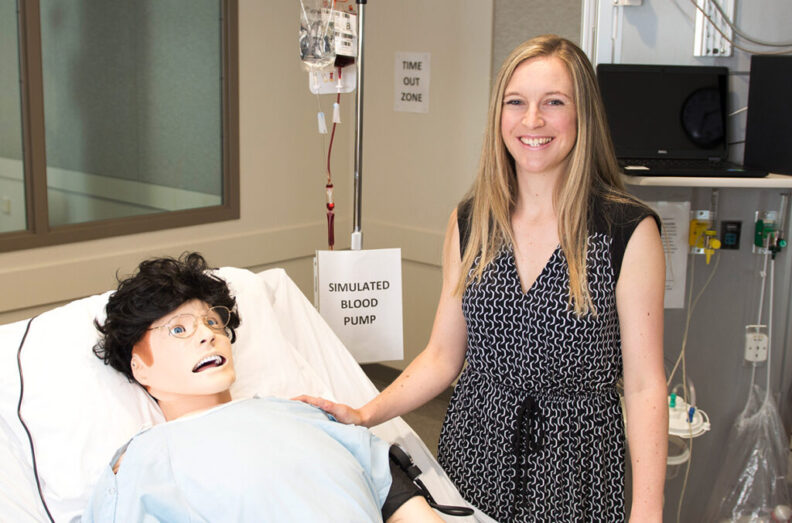
A $1.3 million grant will enable WSU researchers to study how a training program originally developed for law enforcement can help nurses recognize their unconscious biases.
The Office of Research hosted the panel, “Entangled, Showcasing the Arts and Humanities through Art, Music, and Writing,” on Wednesday, October 18 from 12-1pm in the Locker Gallery of the […]
A new Washington State University laboratory focused on home health technologies could potentially improve health outcomes and quality of life for adults with chronic conditions.

A new tool to rapidly grow cancer-killing white blood cells could advance the availability of immunotherapy, a promising therapy which harnesses the power of the body’s immune response to target cancer cells.
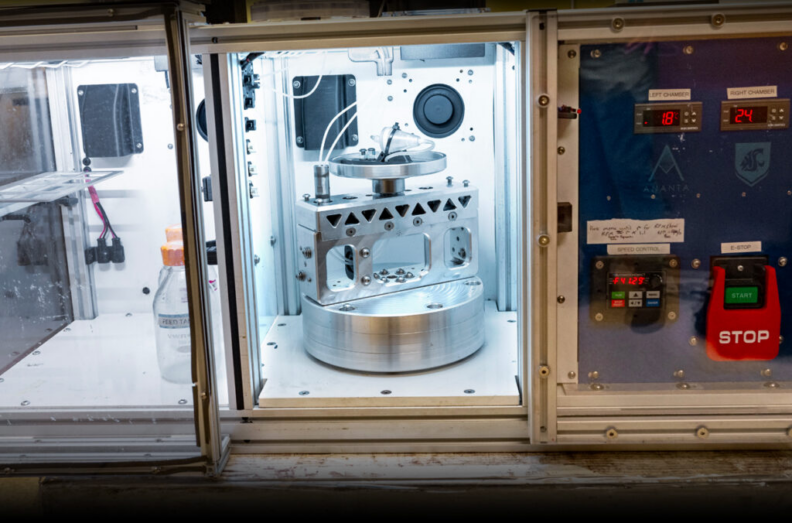
A technology that converts hazardous wood products manufacturing chemicals into valuable components to produce biofuels, food flavoring, and fragrances has earned a WSU researcher a 2023 EPA Green Chemistry Challenge Award.
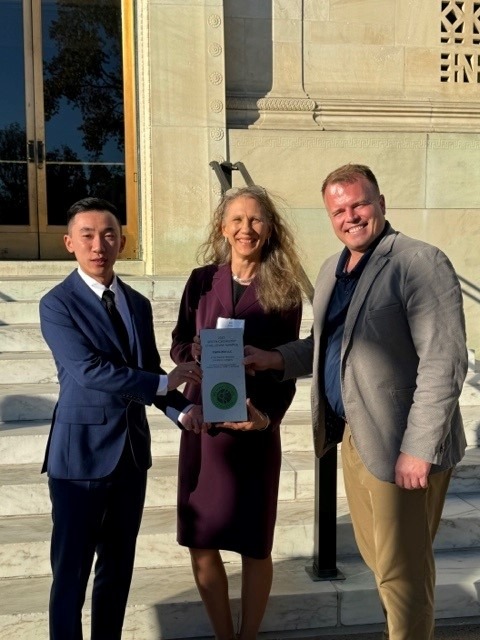
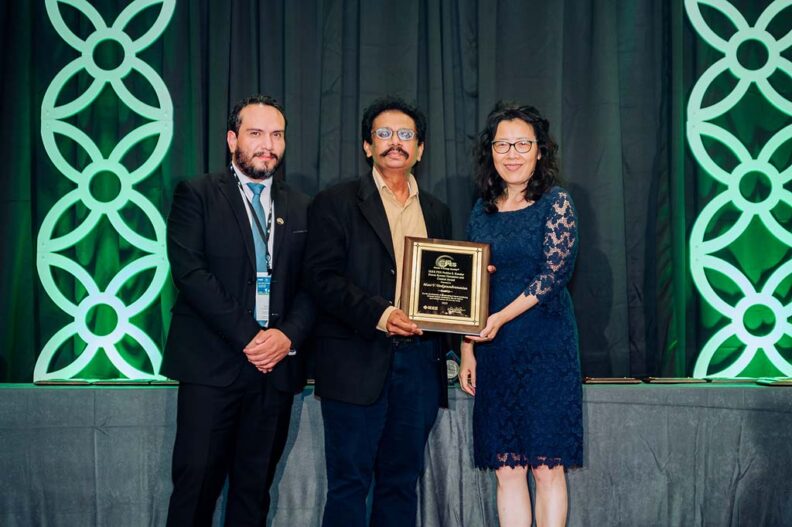
Two members of the PNNL/WSU Advanced Grid Institute (AGI) team have received an IEEE PES award this year, Dr. Anamika Dubey and Dr. Mani Venkatasubramanian
A two-part training designed to help police officers recognize their implicit bias, revealed some behavior improvement and lowered citizen discrimination complaints in a controlled study. While a small study involving one police department, it is the first-known research to provide evidence that this type of training can produce positive behavioral effects.

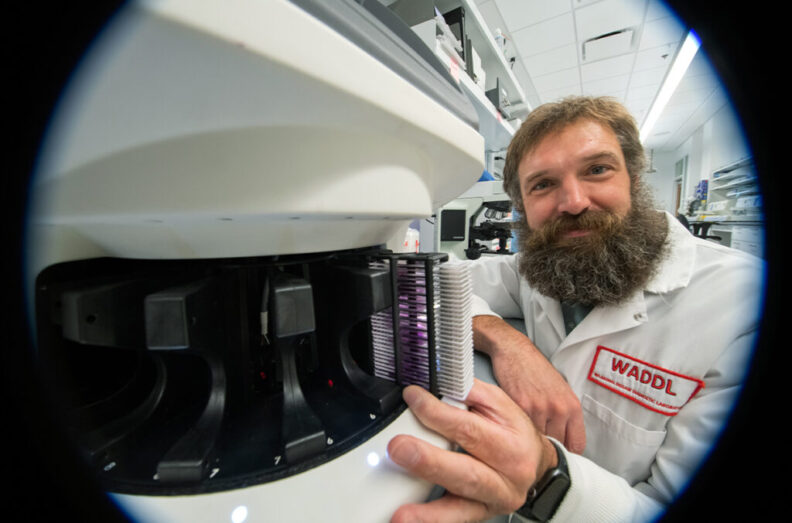
Dr. Liam Broughton-Neiswanger, a pathologist at the Washington Animal Disease Diagnostic Laboratory, peered at his computer screen where a crisp, high-resolution image of cancerous cells was displayed.
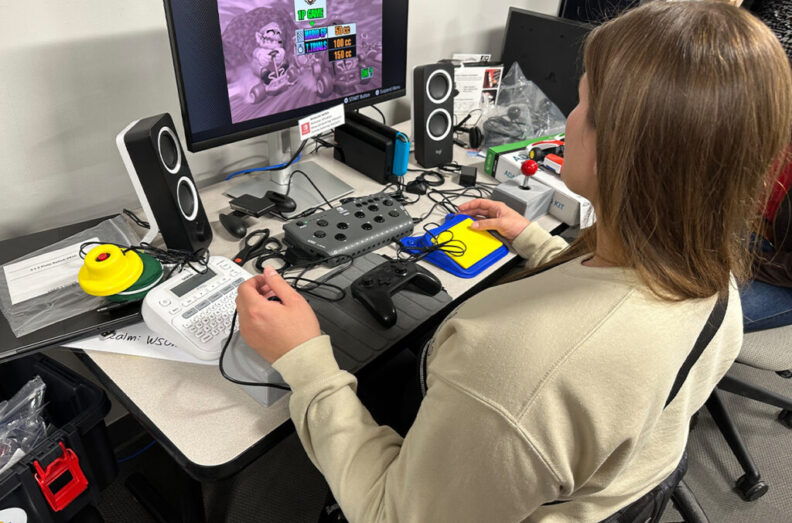
For people with disabilities, video gaming can be a social lifeline. Victoria Perkins saw the effect on her son Ethan, who is quadriplegic.
The UN Decade of Healthy Ageing 50, an initiative to improve the lives of older people, their families and communities, announced Swanger as among their honorees this year.
Two Washington State University projects designed to train a new generation of scholars in Native health have received more than $6 million in National Institutes of Health (NIH) funding as part of the National Institute on Aging’s Resource Center on Minority Aging Research (RCMAR) program.

Researchers at Washington State University will play a critical role in an initiative to improve disease detection, forecasting, and response throughout the Intermountain West funded by a recently-announced $17.5 million, five-year grant from the U.S. Centers for Disease Control and Prevention.
“A fundamental discovery about the Fischer Tropsch process, a catalytic reaction used in industry to convert coal, natural gas or biomass to liquid fuels, could someday allow for more efficient fuel production.”

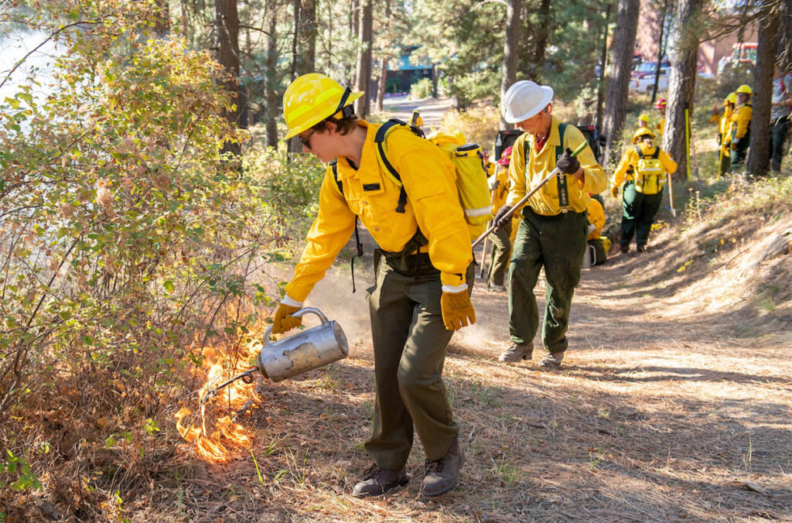
Rising temperatures will cut the number of days when conditions favor prescribed fires by 17% on average across the western U.S., mostly in spring and summer, according to a recent study.