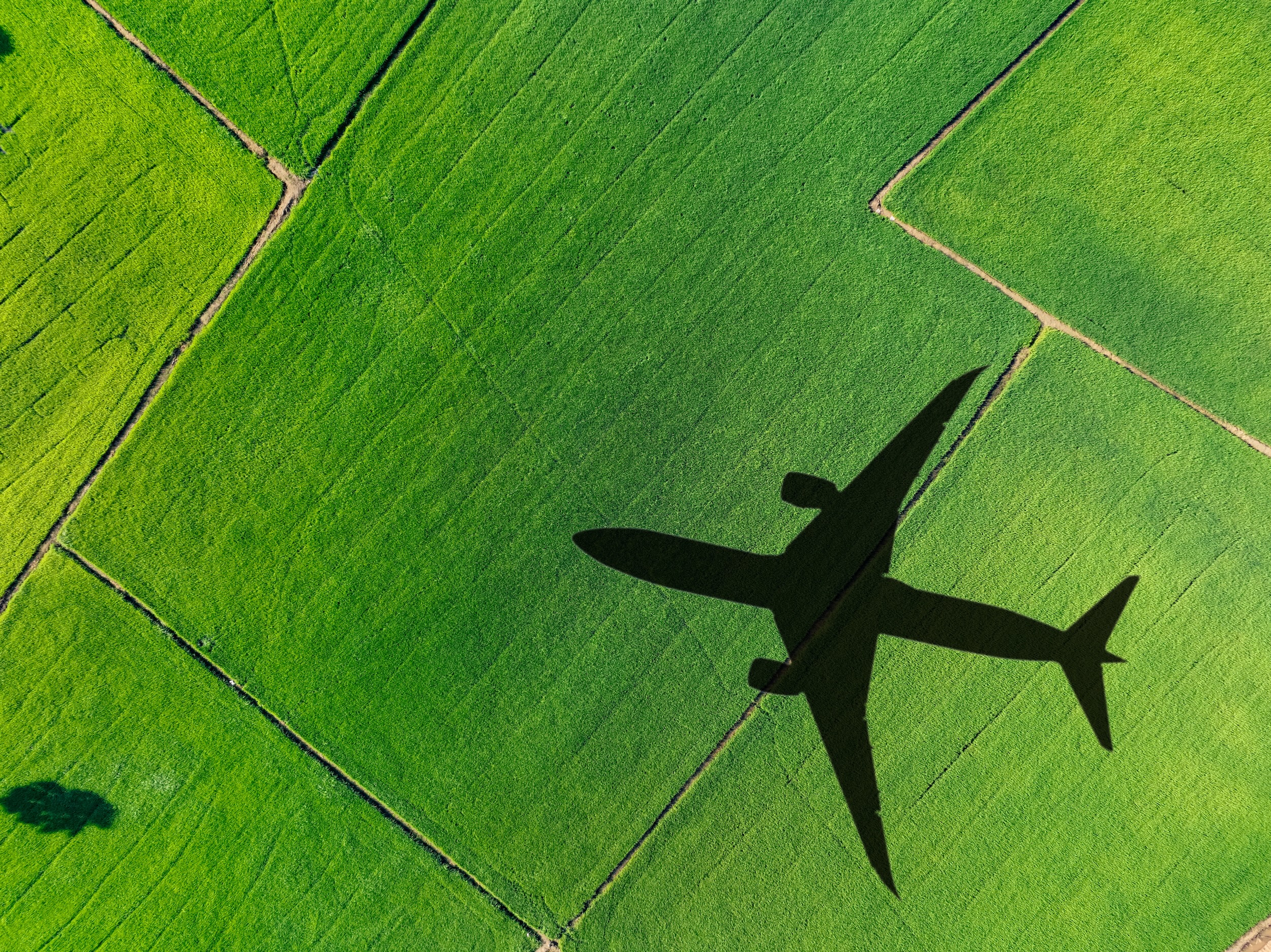
The Sustainable Future of Flight
The race to decarbonize aviation is reshaping transportation, energy, and aerospace — and WSU research is leading the way.
Sustainable aviation fuel (SAF) is crucial to reducing emissions while strengthening economic growth, energy resilience, and global competitiveness.
WSU is taking SAF from innovation to impact and, through research, workforce development, and strategic partnerships, is positioning Washington at the forefront of sustainable aviation.
A Strong Research Network
WSU is a nationally recognized leader in sustainable aviation research, bringing together world-class partners, facilities, and expertise to accelerate SAF innovation and deployment. Through leadership in the FAA’s ASCENT Center of Excellence and the Cascadia Sustainable Aviation Accelerator, WSU supports fuel testing, technology development, workforce training, and industry collaboration across Washington, from the Bioproducts, Sciences, and Engineering Laboratory (BSEL) to the Cascadia Sustainable Aviation Institute at Paine Field.
Integrated Innovation
WSU researchers work across the entire SAF value chain: developing renewable feedstocks from crops, forest residues, and other biomass; advancing fuel production technologies; conducting fuel testing; and evaluating policies, markets, and supply chains. This integrated end-to-end approach accelerates research, commercialization, and adoption.
Environmental and Economic Impact
SAF can reduce carbon emissions by up to 80% compared with conventional jet fuel, advancing Washington’s climate goals while driving economic growth and job creation. Through academic and professional programs, WSU is developing the scientists, engineers, policymakers, and business leaders needed to support a rapidly expanding SAF industry.
Continue exploring examples of WSU research:
The Sustainable Future of Flight
Learn more.
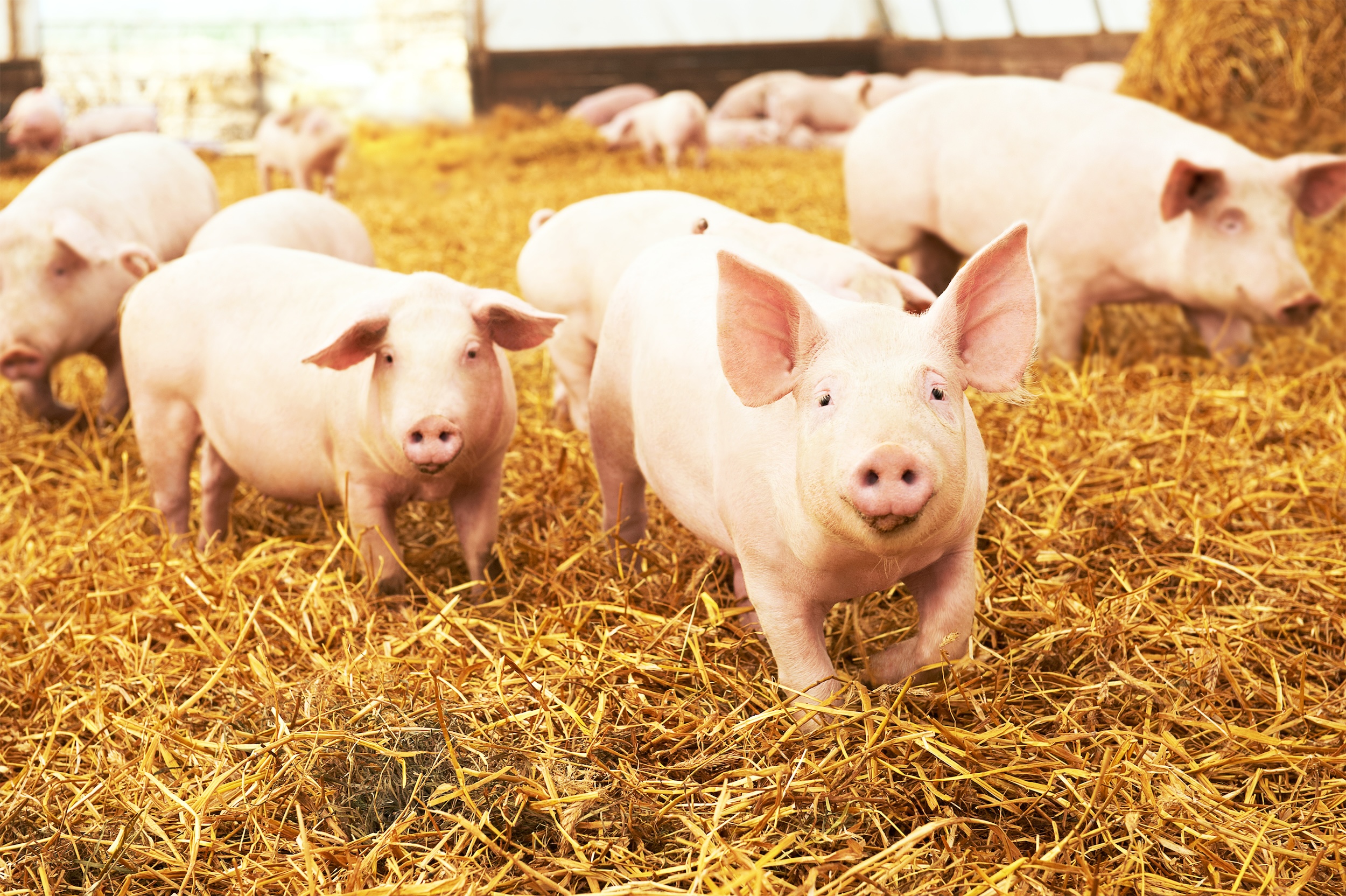
Resilient Livestock Program
Learn more.
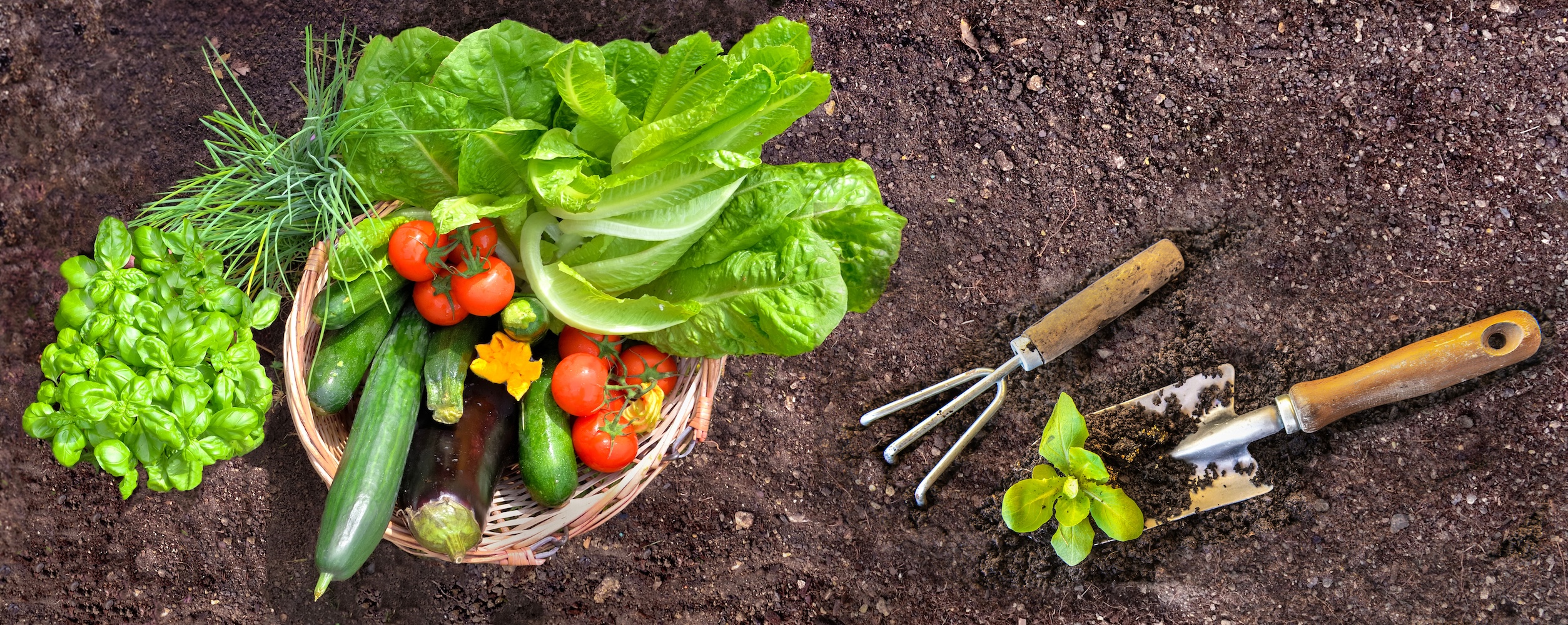
Healthy Farming, Healthy Food
Learn more.
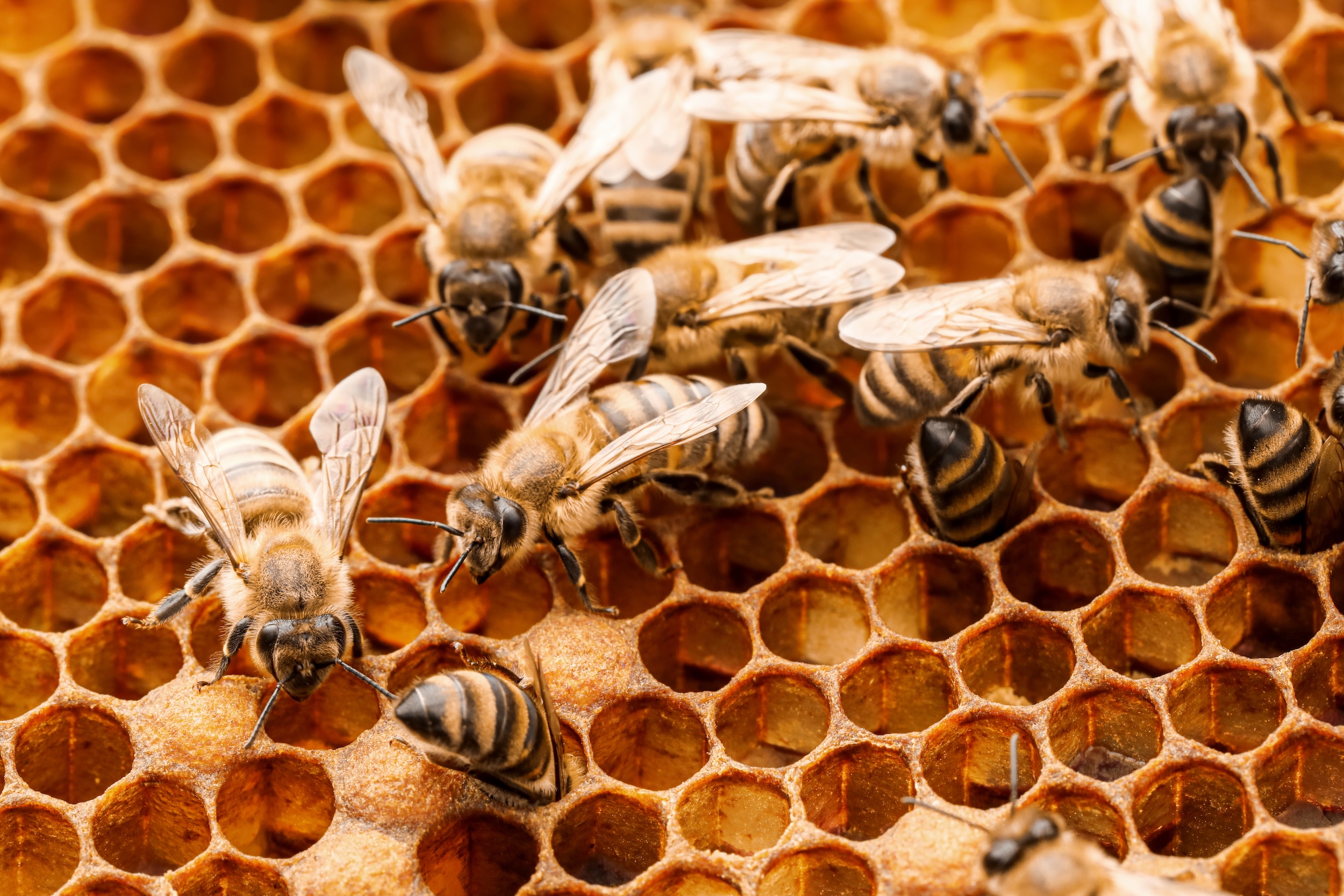
Honey Bee + Pollinators Program
Learn more.
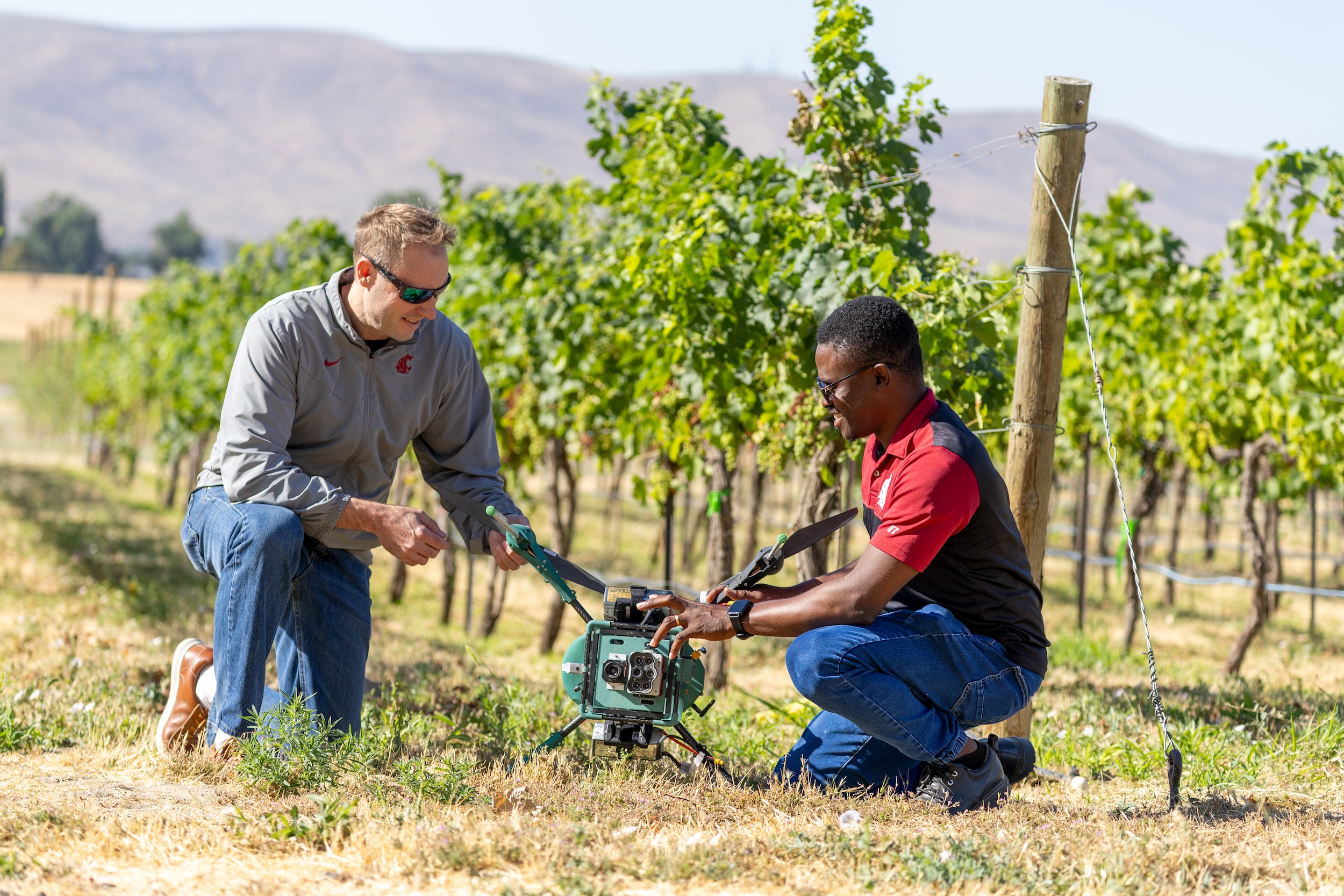
Resilient Agriculture
Learn more.
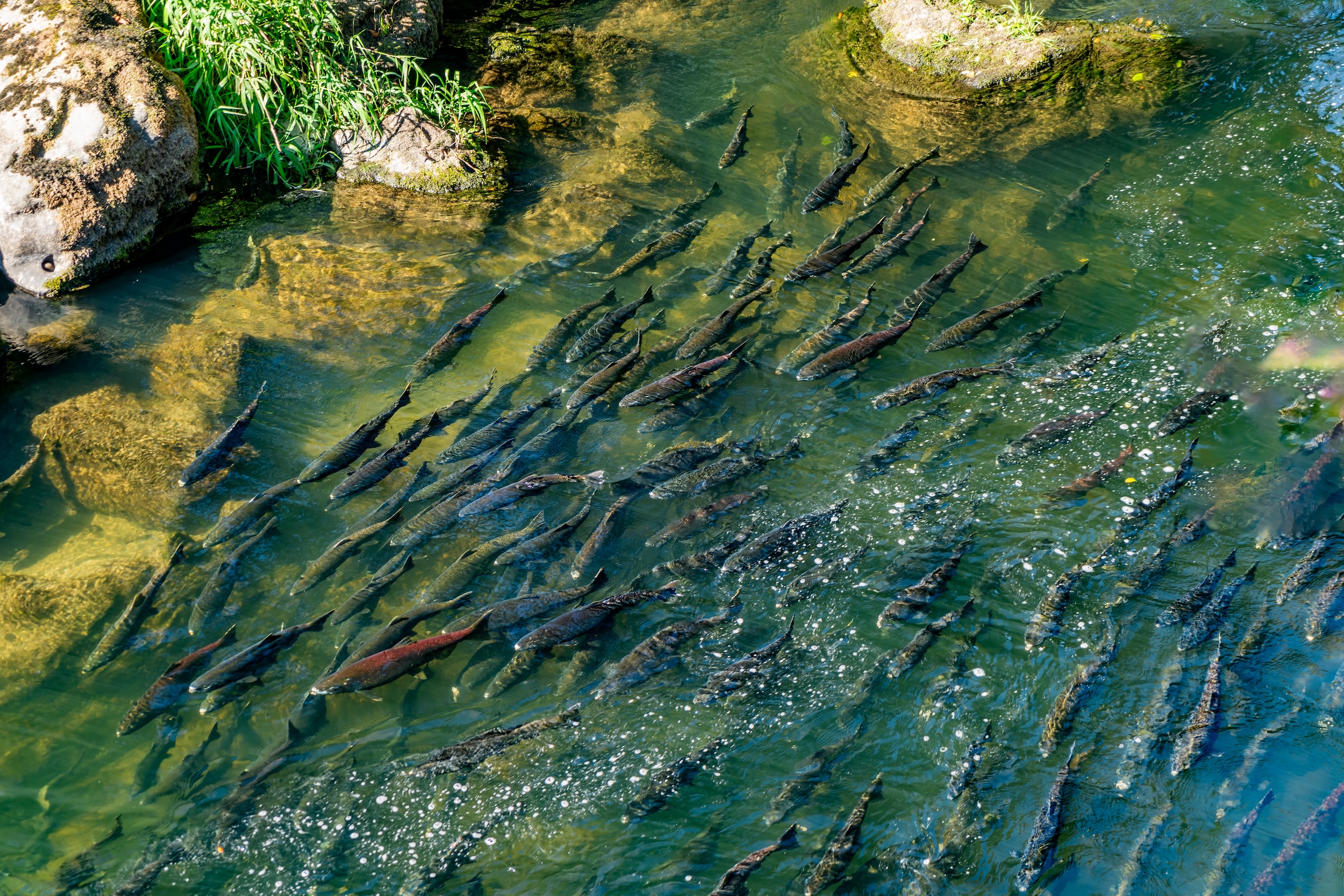
The Future of Salmon
Learn more.