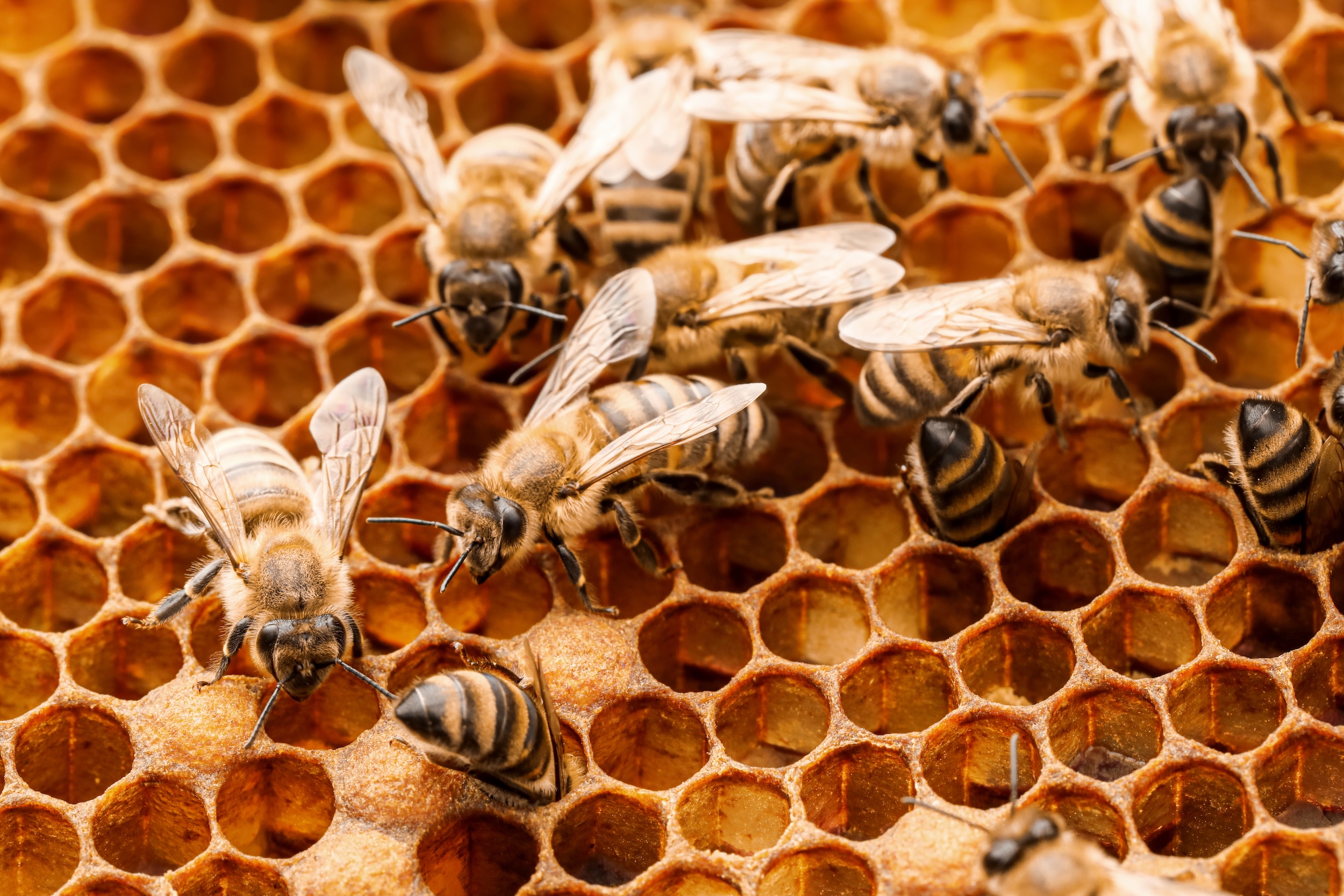
Honey Bee + Pollinators Program
The Bee Program at WSU studies solutions to the most pressing issues facing honey bees and other bee pollinators today, supporting sustainable agriculture, the beekeeping industry, and conservation.
Mitigating Multiple Stressors
Honey bees and other bee pollinators face many challenges to health and productivity: diminished floral diversity, inadequate nutrition, parasites and disease, environmental variability, suboptimal management practices, pesticides, and more. The Bee Program approaches each of these through sustainable management strategies that support hive vitality, ecosystem resilience, and overall bee pollinator health.
Preserving Pollination
Agriculture and food security rely on pollination services to thrive. The Bee Program focuses on key factors influencing pollinator health and sustainability, exploring how management practices and natural habitat can build, restore, and enhance pollinator health and ecosystems.
Preserving Genetic Diversity
Genetic diversity in honey bee populations is essential for resilience and adaptability. The Bee Program has pioneered cryopreservation methods for long-term storage of honey bee semen, establishing the world’s first germplasm repository and ensuring the preservation and availability of honey bee genetic material for future regeneration.
For more information:
Continue exploring examples of WSU research:

The Sustainable Future of Flight
Learn more.
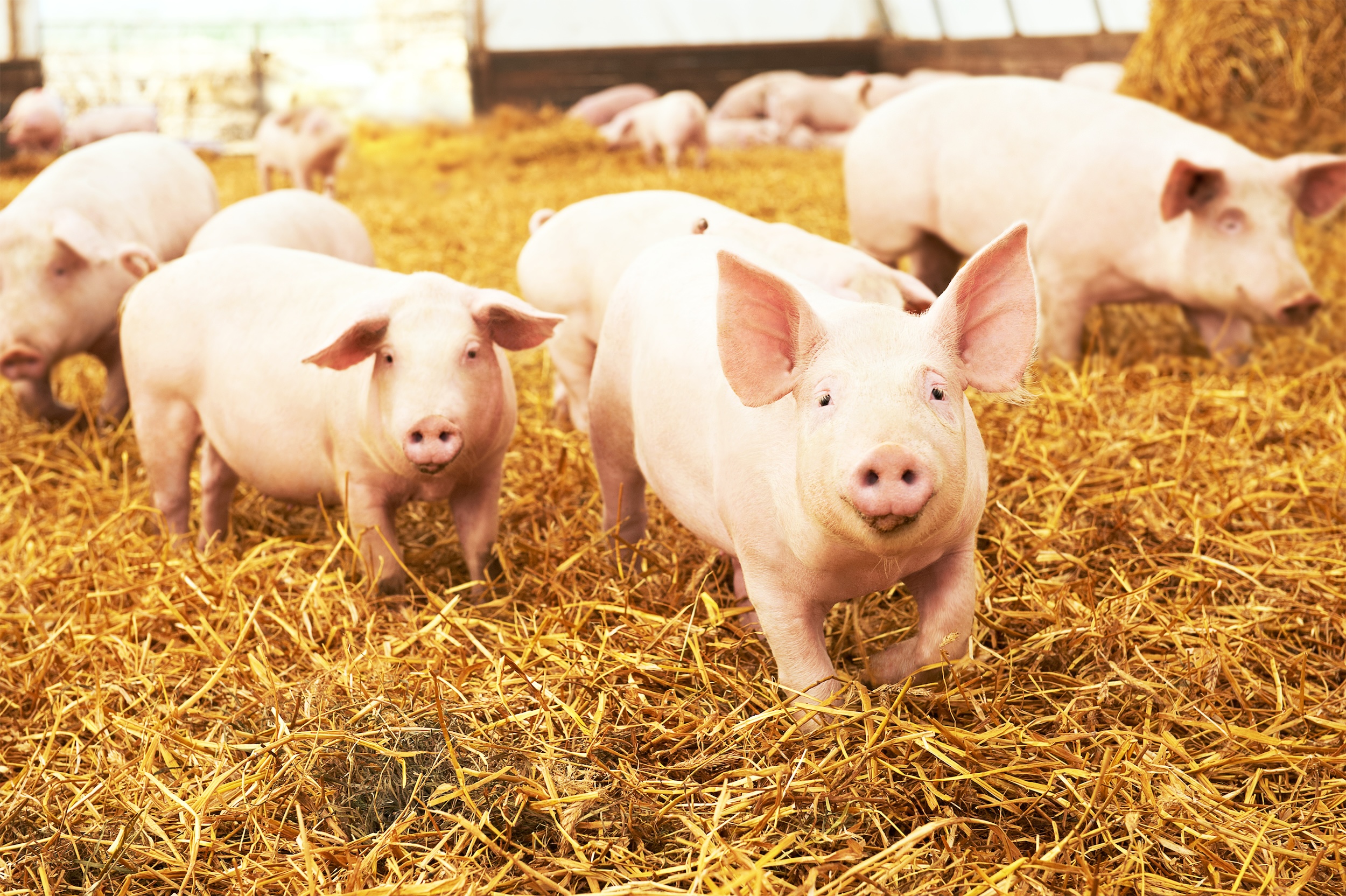
Resilient Livestock Program
Learn more.

Healthy Farming, Healthy Food
Learn more.
Honey Bee + Pollinators Program
Learn more.

Resilient Agriculture
Learn more.
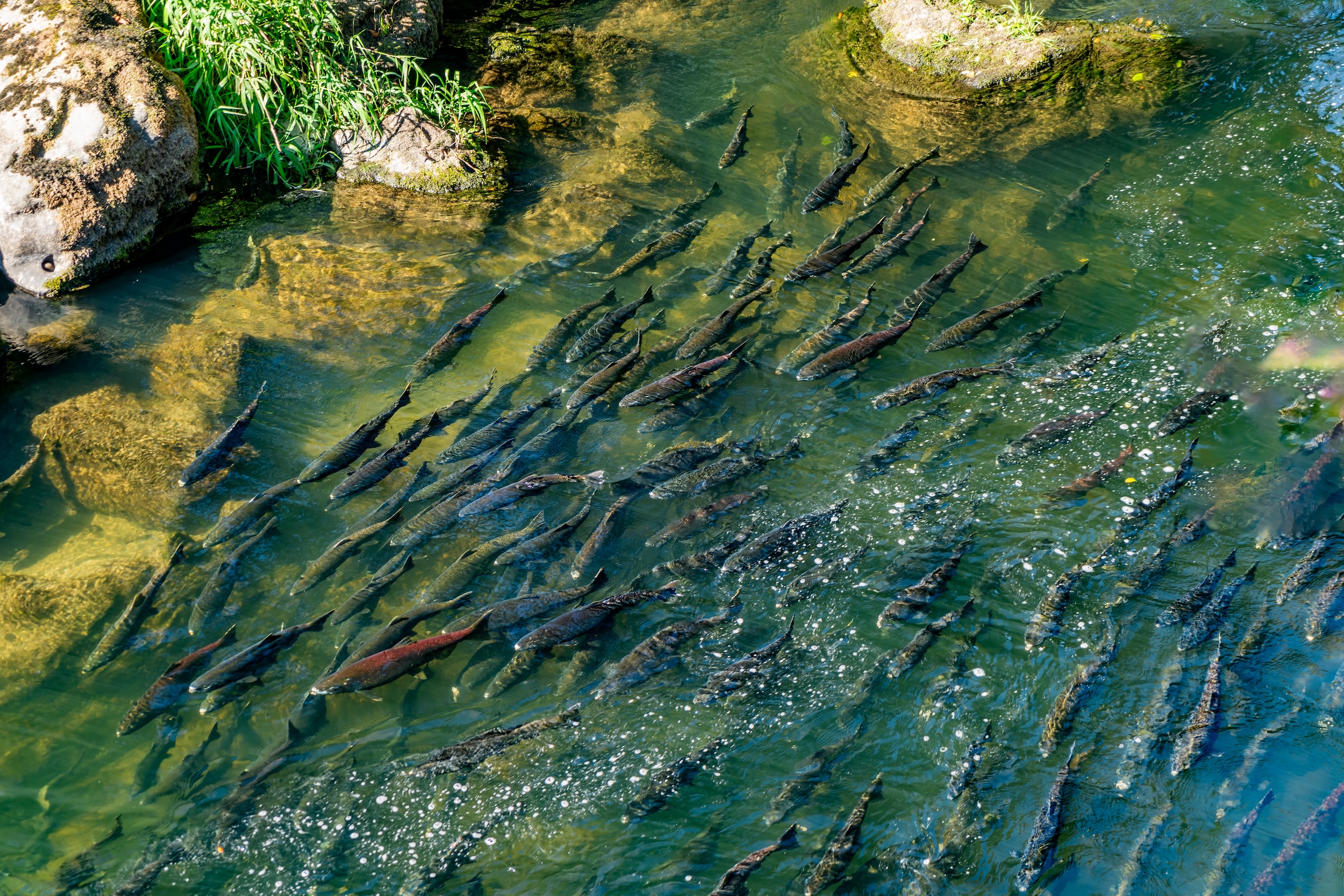
The Future of Salmon
Learn more.