At WSU, our faculty make contributions to the research enterprise every day of the year. These faculty are not only outstanding in their fields, but their research and creative practice reaches out from the university to the public we serve making real impacts on the lives of people in Washington and beyond. Each month the Office of Research will highlight some of our talented faculty discussing their research and creative practice in their own words.
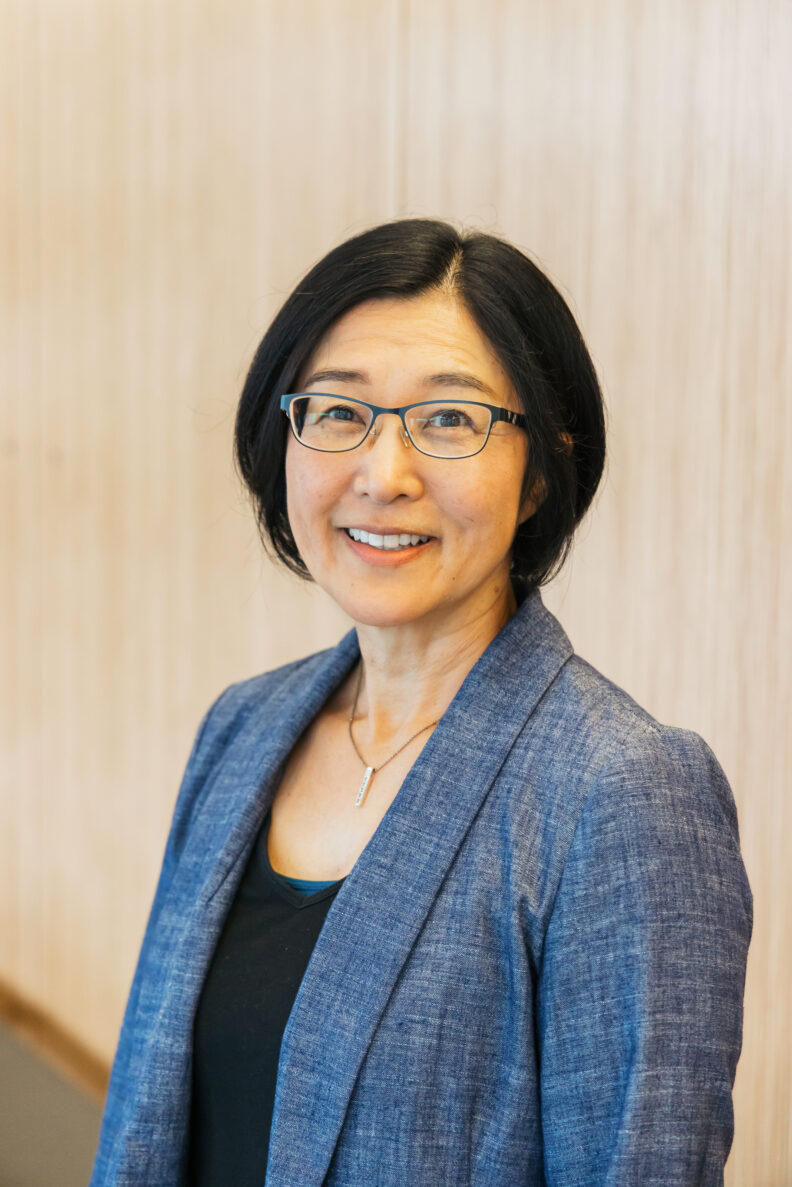
Yoshie Sano, assistant professor
Department of Human Development, WSU Vancouver
What are you currently researching?
As a family scientist, my research focuses on understanding and addressing the challenges faced by families, particularly those in rural, low-income communities. I have concentrated on the unique struggles of these families, examining how various layers of context—such as family, community, and broader societal factors—affect their well-being. To guide my work, I draw from Ecological Systems Theory, which helps me understand how different levels of influence—from individual family dynamics to larger social, economic, and cultural forces—interact and shape family life.
A significant part of my research is focused on two main areas: family health, including physical and mental health, healthcare access, food security, and health communications; and overall family well-being, which includes economic security, family relationships, and the experiences of racial and ethnic minorities, as well as immigrant families. Given the complexity of these issues, my research is interdisciplinary, employing quantitative, qualitative, and mixed method approaches to offer a holistic view of the challenges and opportunities faced by rural families. The ultimate goal is to develop evidence-based policy and program recommendations that can improve the lives of these vulnerable populations.
By studying rural poverty, we can better understand the structural and systemic barriers these families face and develop targeted policies and interventions to address their unique needs. In doing so, we can work toward fostering long-term solutions that support rural communities in achieving economic stability, health equity, and overall family well-being.
Yoshie Sano, professor in the Department of Human Development
Why is it important to study families in rural poverty?
Studying rural poverty is crucial for understanding the unique and often hidden struggles of families in these areas. While rural life is frequently romanticized as a peaceful, idyllic existence, the reality for many low-income families is far more challenging. Poverty rates in rural areas are not only higher than those in urban settings, but they also increase with greater geographic isolation. These families often face limited access to quality education, stable employment, healthcare, and social services—resources that are critical for escaping the cycle of poverty.
Rural low-income families, especially mothers and children, are among the most vulnerable populations in the U.S. They face compounded challenges due to their socioeconomic status and geographic location. For example, rural areas tend to have fewer healthcare providers, limited public transportation, and limited childcare options, making it more difficult for families to meet basic needs. Despite the fact that rural families make up a significant portion of the nation’s poor, they are often overlooked in research and policy discussions. Historically, much of the attention on poverty has been focused on urban areas, leaving rural families underrepresented in national conversations.
By studying rural poverty, we can better understand the structural and systemic barriers these families face and develop targeted policies and interventions to address their unique needs. In doing so, we can work toward fostering long-term solutions that support rural communities in achieving economic stability, health equity, and overall family well-being.
What are your most significant research projects?
For the past 25 years, my primary research initiative has been the Rural Families Speak (RFS) project, a large-scale, multi-disciplinary, and multi-state collaboration focused on rural families. This project has evolved over time to address key social issues and policy changes that affect rural communities. The original RFS project, launched in response to the 1996 Welfare Reform Act, aimed to explore the economic well-being of rural families. The second phase, Rural Families Speak about Health (RFS-H), ran from 2008-2019 and focused on the effects of the Patient Protection and Affordable Care Act on rural communities. The third phase, Rural Families Speak about Resiliency (RFS-R), took place from 2019-2024, exploring the impact of the COVID-19 pandemic on rural families. The current phase, Rural Families Speak about Sustainability (RFS-S), seeks to understand the key factors that contribute to the sustainability of rural communities, addressing issues such as environmental challenges, economic opportunities, and community resilience.
By examining how environmental and social factors influence health behaviors, my team and I have developed culturally relevant health messages and materials, ensuring that they are timely and accessible to rural families. This work is especially important in rural areas, where access to healthcare is limited, and health communication is often not tailored to the specific needs of these communities.
Yoshie Sano, professor in the Department of Human Development
This long-standing research project has provided valuable hands-on learning opportunities for both undergraduate and graduate students, allowing them to engage directly with rural communities and gain real-world research experience. Over the years, I have collaborated with more than 80 researchers and professionals from diverse disciplines across 28 states. These collaborations have included family scientists, social workers, family economists, nutritionists, sociologists, psychologists, and Extension specialists. Since 2008, I have held leadership roles within the project, including serving as an Executive Board member (2008–2012), Project Chair (2014–2016), and Ex-Officio (2016–2018), and have been actively involved in various committees throughout the project’s duration.
What impact will your research have on society?
My research aims to create real-world change by addressing critical issues such as health disparities, economic hardship, and family instability in rural communities. A significant area of impact has been in public health, where my research works to reduce health disparities between urban and rural populations. By examining how environmental and social factors influence health behaviors, my team and I have developed culturally relevant health messages and materials, ensuring that they are timely and accessible to rural families. This work is especially important in rural areas, where access to healthcare is limited, and health communication is often not tailored to the specific needs of these communities.
Additionally, my research has had an impact on education by integrating rural issues into the academic curriculum. Through collaborations with colleagues at land-grant universities, I have helped develop evidence-based teaching materials, including animated short films that illustrate the lived experiences of low-income mothers dealing with issues such as nutrition, family dynamics, and economic stability. These materials help students gain a deeper understanding of the complex realities faced by rural families, creating more informed and engaged professionals who are equipped to address these challenges in their own careers.
By combining research, teaching, and community engagement, my work not only informs policies and programs that support rural families but also prepares future scholars and practitioners to tackle the ongoing challenges of rural poverty. The goal is to create a more equitable society where all families, regardless of their location or socio-economic status, have access to the resources they need to thrive.
What drew you to WSU?
I was drawn to WSU for both personal and professional reasons. I first came to the Pacific Northwest 30 years ago and fell in love with the natural beauty of the region—its mountains, rivers, and coastline—which made Vancouver, Wash., the perfect place for me to settle down. The area also provides a wonderful sense of community, making it an excellent place to raise a family, while offering access to the larger metropolitan area of Portland, Ore. Additionally, being on the West Coast brings me closer to my home country, Japan, which has been a wonderful bonus.
On the professional side, WSU’s mission as a land-grant university deeply resonated with me. The commitment to integrating research, teaching, and extension to create real-world impact aligns perfectly with my belief in the power of education to address pressing societal issues. I am particularly excited by my role at WSU Vancouver, where I can engage with a diverse student body and see the meaningful impact my teaching has on students’ lives. Whether it’s through direct research collaboration or incorporating real-world rural issues into the classroom, I find it incredibly rewarding to contribute to the academic and personal growth of future professionals.
For more information: