President’s Big Ideas Initiative: FY26 Awardees
The President’s Big Ideas Initiative began in FY26, funding the awardees listed below through FY27 for all three tracks:
- Innovation Platforms for the Future
- Public Impact Research for Washington
- Enterprise Partnerships for Transformative Research
Track 1: Innovation Platforms for the Future
Projects in Track 1 focus on mission-aligned platforms, integrating existing capabilities systemwide to increase efficiency, visibility, and transnational power over the long term.

iQ@WSU: A Quantum Innovation Platform Supporting AI
Funded Amount: $200,000
Lead PI: Michael Forbes, Dept. of Physics and Astronomy, College of Arts and Sciences
Co-PIs: Mark Kuzyk (Physics and Astronomy); Peter Engels (Physics and Astronomy), Subhanshu Gupta (Electrical Engineering and Computer Science)
iQ@WSU will unify quantum research and education across the university and collaborate with the Northwest Quantum Nexus to build a regional innovation platform. The institute will also create a sustainable quantum certificate program and develop best‑practice guidelines for responsible AI use, positioning the Pacific Northwest as a leader in next‑generation technology.
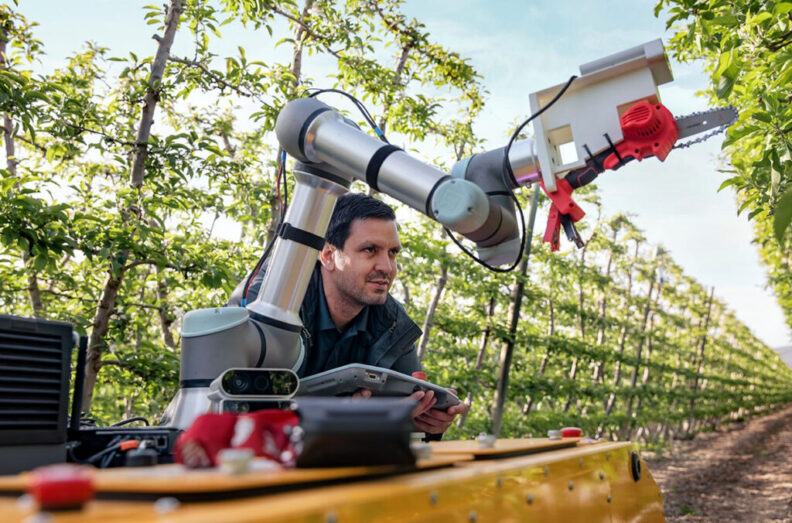
Rural AI: A Translational AI Research Initiative for Rural Communities
Funded Amount: $300,000
Lead PI: Ananth Kalyanaraman, School of Electrical Engineering and Computer Science, Voiland College of Engineering and Architecture
Co-PIs: Chris Benedict (CAHNRS); Indranil Chowdhury (VCEA); Jana Doppa (VCEA); Jonah Firestone (CESHS); Peng He (CESHS); Jordan Jobe (VCEA); Lav Khot (CAHNRS); Mengyu Liu (VCEA); Eric Lofgren (CVM); Tristan Loria (CESHS); Sterling McPherson (ESFCOM); Paola Pesantez (VCEA); Kirti Rajagopalan (CAHNRS); Anna Warner (CAHNRS)
This systemwide initiative will build a shared platform that unites AI, data, ethics, education, and partnerships to ensure AI solutions are developed responsibly and in collaboration with rural communities. Four innovation areas—agriculture, environmental health, rural healthcare, and rural education—will drive real‑world impact, expand partnerships, attract new funding, and advance WSU’s leadership in translational AI for societal good.

INTERACT Center: Intervention Research to End Addiction through Community Transformation
Funded Amount: $300,000
Lead PI: Michael McDonell, Dept. of Community and Behavioral Health, Elson S. Floyd College of Medicine
The INTERACT Center will lead community‑engaged research, education, and practice to reduce—and ultimately eliminate—substance‑related harms. INTERACT will build leadership, develop a strategic plan, support major grant efforts, host its inaugural summit, and strengthen statewide partnerships. Through multilevel interventions in prevention, treatment, and health promotion, the center will improve community well‑being and position WSU as a national leader in addiction intervention research.

A Microbiome-Based Precision Biology Platform Integrating Multi-Omics, Organoid-Chip, and Artificial Intelligence
Funded Amount: $200,000
Lead PI: Zeyang Shen, School of Molecular Biosciences, College of Veterinary Medicine
Co-PIs: Yoko Ambrosini (Veterinary Clinical Sciences); Honghao Wei (Electrical Engineering and Computer Science); Lily Zhu (Management, Information Systems, and Entrepreneurship)
This new platform will integrate advanced multi‑omics, organoid‑on‑a‑chip models, and AI-driven analytics to reveal microbial cause‑and‑effect relationships and guide targeted interventions. The platform will generate high‑value data, enable real‑world applications, and support commercialization. By uniting expertise across WSU, it will strengthen biotechnology innovation and deliver broad benefits to communities and industries across Washington.
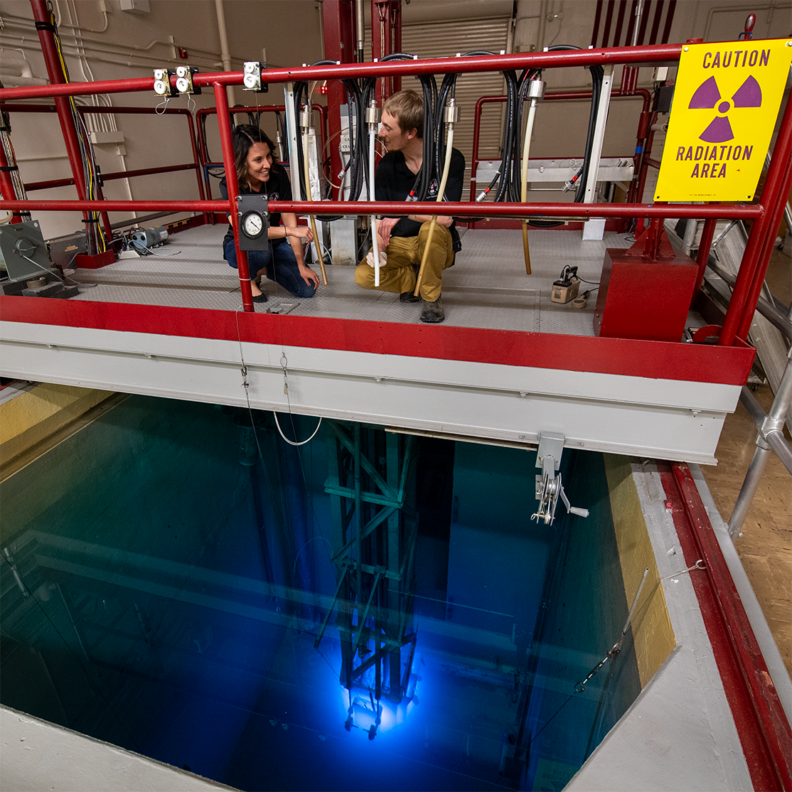
OneNuclear Initiative To Unify Nuclear Research, Development, and Education Across the WSU System
Funded Amount: $300,000
Lead PI: Noel Schulz, Institute for Northwest Energy Futures
Co-PI: Corey Hines, Nuclear Science Center
The OneNuclear initiative will develop a comprehensive roadmap to strengthen nuclear research, education, and workforce development in response to the nation’s growing need for safe, reliable, and clean nuclear energy. Building on existing expertise across engineering, health physics, medical applications, safety, cybersecurity, environmental science, and national security, the initiative will coordinate efforts across systemwide and collaborate with industry, technical programs, and national laboratories.
Track 2: Public Impact Research for Washington
Projects in Track 2 will partner with state agencies, industries, and nonprofits to meet the needs of communities in Washington state, including workforce development, infrastructure resilience, and other solutions to real-world problems.
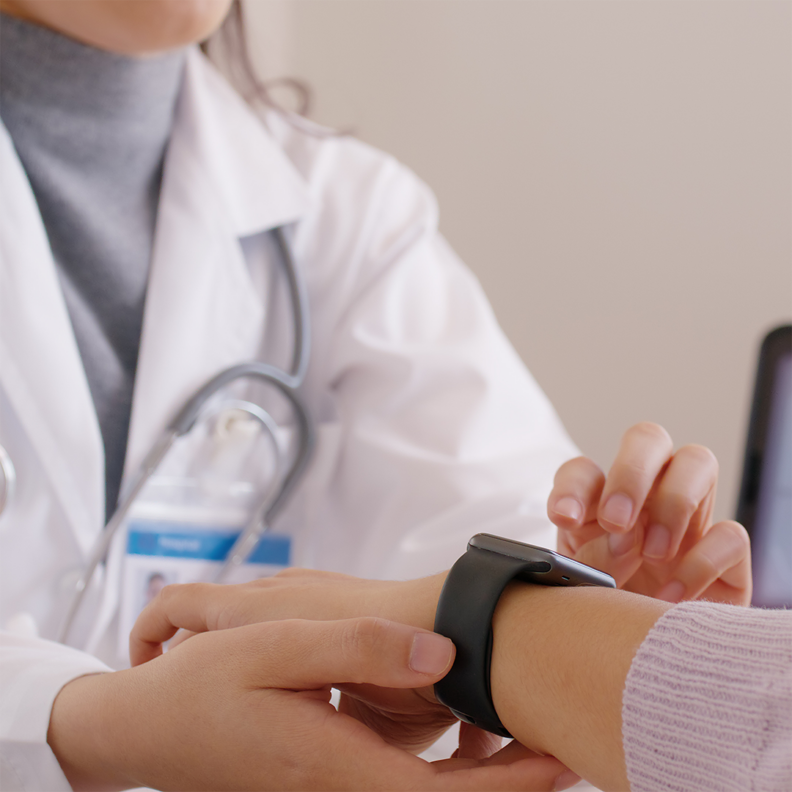
Energy-Efficient Precision Rehabilitation Technology for Neurocognitive Health Applications
Funded Amount: $150,000
Lead PI: Ganapati Bhat, School of Electrical Engineering and Computer Science, VCEA
Co-PI: Amy Kemp, Speech and Hearing Sciences, ESFCOM
WSU is advancing next‑generation wearable health technologies to improve care in both clinical and at‑home settings. This project will develop flexible, energy‑efficient wearable devices that combine multiple energy‑harvesting methods with on‑board AI to analyze physiological, behavioral, and environmental data in real time. Working with patients, caregivers, providers, and community partners, the team will design and pilot systems tailored to real‑world needs.

Spokane Periodic Assessment of Trajectories of Housing, Homelessness, and Health Study (PATHS)
Funded Amount: $150,000
Lead PI: Liat Kriegel, Dept. of Community and Behavioral Health, Elson S. Floyd College of Medicine
Co-PIs: Anna Hing (Community and Behavioral Health), Emily Leickly (Community and Behavioral Health), Oladunni Oluwoye (Community and Behavioral Health)
Guided by a Community Advisory Board, Spokane PATHS will collect detailed survey and interview data from a representative group of unsheltered residents as they move through different housing situations. The findings will provide the Regional Spokane Continuum of Care with high-quality data to design policies and programs that are responsive, effective, and grounded in the needs of the most vulnerable people experiencing homelessness.
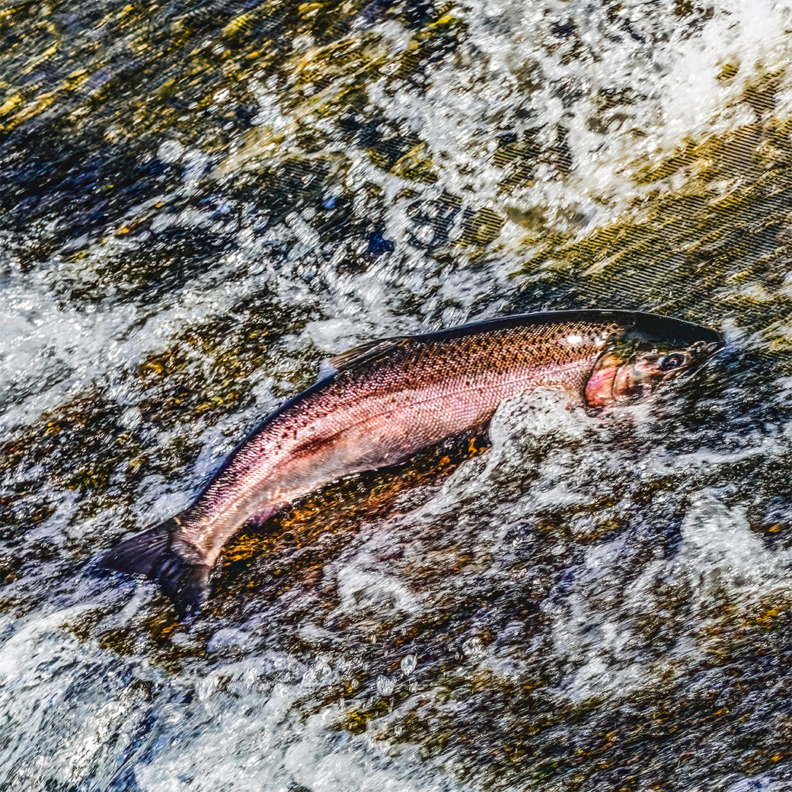
Addressing Water Quality Impacts on Salmonids in Runoff-Impaired Watersheds
Funded Amount: $100,000
Lead PI: Jenifer McIntyre, School of the Environment, College of Agricultural, Human, and Natural Resource Sciences
Co-PIs: Michael Phelps (Animal Science); Nathan Ivy (School of the Environment); Melissa Dreissnack (Entomology); Anand Jayarakan (Extension)
After WSU and UW researchers identified 6PPD‑quinone as the chemical driving salmon mortality, the next critical question emerged: how does this pollutant affect early salmon life stages? By assessing survival, growth, development, molecular responses, and swimming performance alongside real‑time 6PPDQ levels, this initiative will deliver actionable benchmarks that agencies can use to improve stormwater management and protect salmon recovery efforts.
Track 3: Enterprise Partnerships for Transformative Research
Projects in Track 3 will expand WSU’s capacity as a responsive, enterprise-ready innovation partner through startup development, fee-for-service lab models, and IP commercialization.

Professional Educator Pathways: Microcredentials and Professional Certificates Preparing Educators to Lead in Technology-Rich Learning Environments
Funded Amount: $75,000
Lead PI: Don McMahon, Dept. of Teaching and Learning, CESHS
Co-PI: Jonah Firestone, Teaching and Learning, CESHS
Professional Educator Pathways (PEP) at Washington State University will establish a scalable system of stackable microcredentials and certificates that help K–12 educators confidently and ethically integrate artificial intelligence, Universal Design for Learning, assistive technology, and digital accessibility into their classrooms. The program combines university expertise with industry collaboration to create sustainable, research‑informed professional learning.
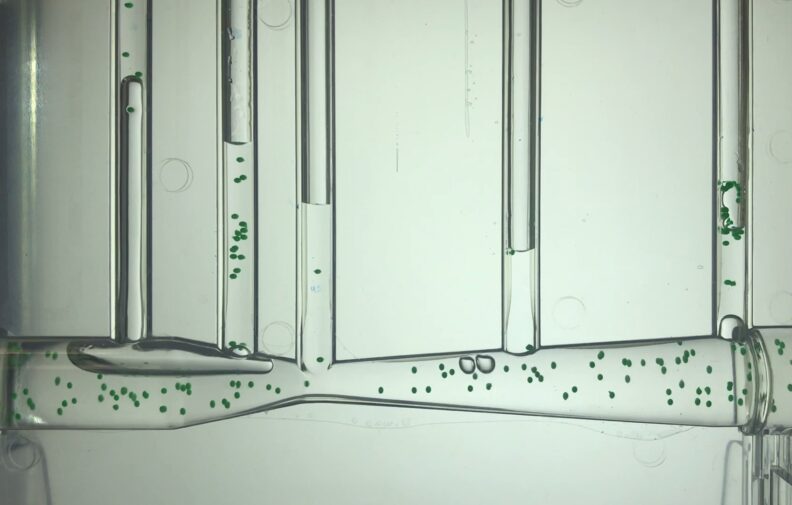
Market Translation of Transformative Classroom Interactive Desktop Learning Modules
Funded Amount: $75,000
Lead PI: Bernard J. Van Wie, Voiland School of Chemical Engineering and Bioengineering, Voiland College of Engineering and Architecture
Co-PI: David Thiessen, Chemical Engineering and Bioengineering, VCEA
WSU will partner with commercial partners to trial the manufacture and distribution of Desktop Learning Modules (DLMs)—affordable, hands‑on miniature systems that help students connect fluid mechanics, heat transfer, and transport concepts to real‑world applications while building strong teamwork skills. Growing national demand has created an opportunity to scale this product developed by WSU researchers that this project will seek to meet.