April 2026

New WSU raspberry breeder to continue career goal of helping farmers

Washington State University researchers found that naturally occurring bacteria in apple and pear trees can work together to suppress fire blight, a destructive disease responsible for more than $100 million in annual losses for Washington growers. The research could lead to more sustainable and effective disease-control strategies for orchards.
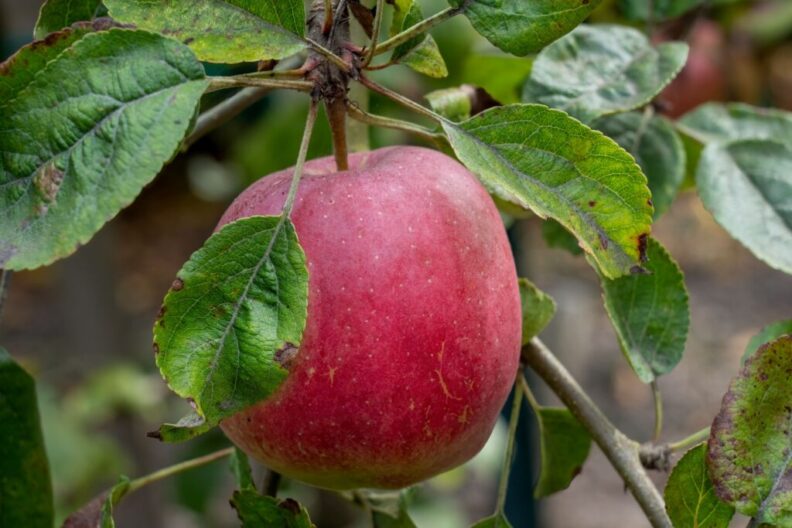
New WSU study shows bacteria can team up against fire blight

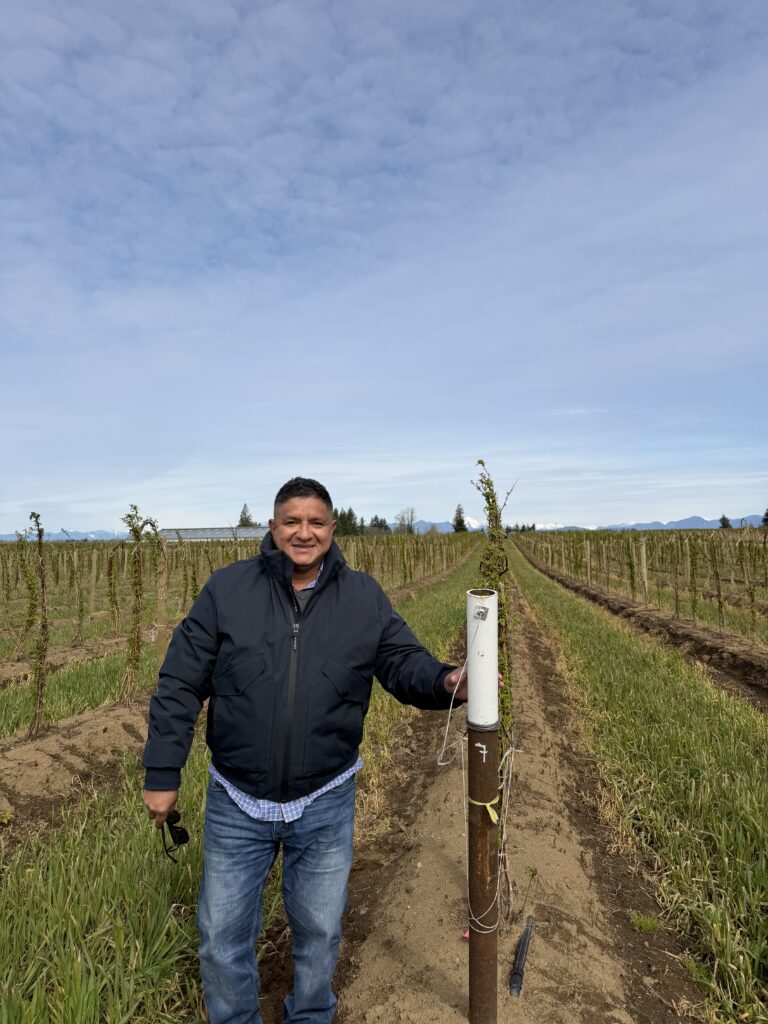
Washington State University’s new Endowed Chair in Raspberry Breeding, Germán Sandoya-Miranda, plans to work closely with growers to develop improved raspberry varieties that can better withstand climate change, disease, and pest pressures while increasing crop productivity and sustainability.

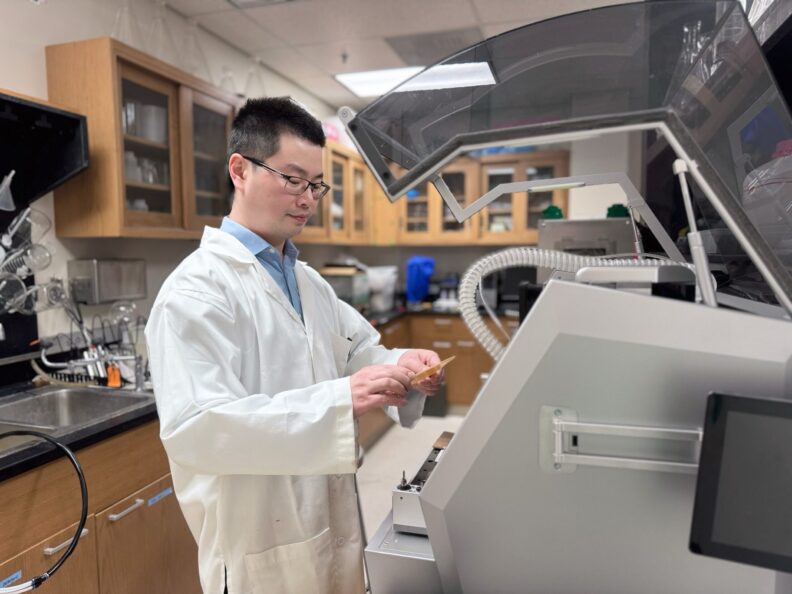
Trio of USDA grants will help WSU scientist make food safer, reduce waste

Washington State University researcher Kang Huang received three USDA grants to develop technologies that improve food safety and reduce food waste across the food production process. The project focuses on antimicrobial food packaging, AI-powered sanitation monitoring, and sustainable biopesticides to protect crops before harvest.

Propel gift empowers aging business management innovation

A $50,000 gift from Propel Insurance helps Washington State University expand research and training focused on healthy aging, brain health, and advanced care planning. The funding supports community dementia-risk screenings, workforce training initiatives, and new educational modules through the Granger Cobb Institute for the Business of Aging.

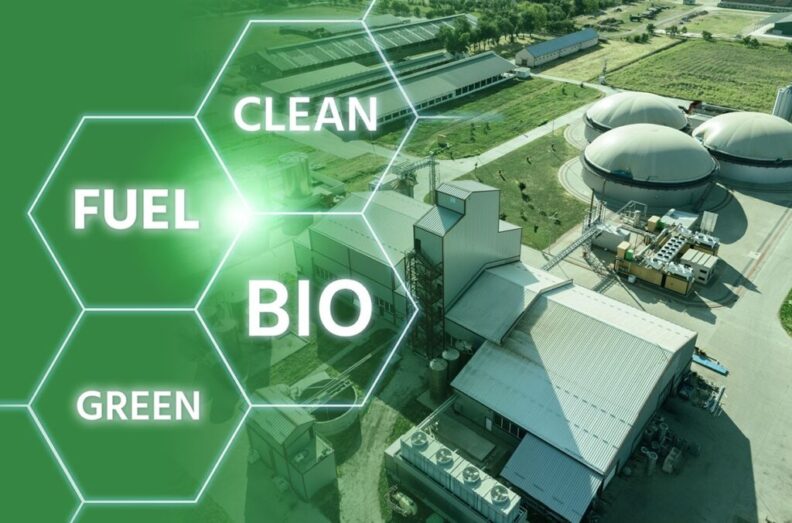
Researchers develop method to make renewable natural gas directly from waste

Washington State University researchers developed a new wastewater treatment method that converts sewage sludge into renewable natural gas more efficiently while significantly reducing disposal costs. The pilot study produced 200% more renewable natural gas than current practices and could help communities create cleaner, more sustainable energy systems.

Rapid melatonin test can help astronauts and others easily monitor their biological rhythm

WSU researchers developed a rapid 15-minute melatonin test that uses a drop of blood and a smartphone-based reader to monitor biological rhythms. The technology could help astronauts, shift workers, and others manage sleep, alertness, and circadian health in demanding environments.

What’s in a name? WSU virologists reveal two dahlia-damaging viruses are variants of the same species

Washington State University researchers discovered that two viruses long believed to cause mosaic disease in dahlias are actually variants of the same viral species. The findings improve virus identification and could strengthen disease testing, clean-plant certification, and protection strategies for ornamental flower growers.

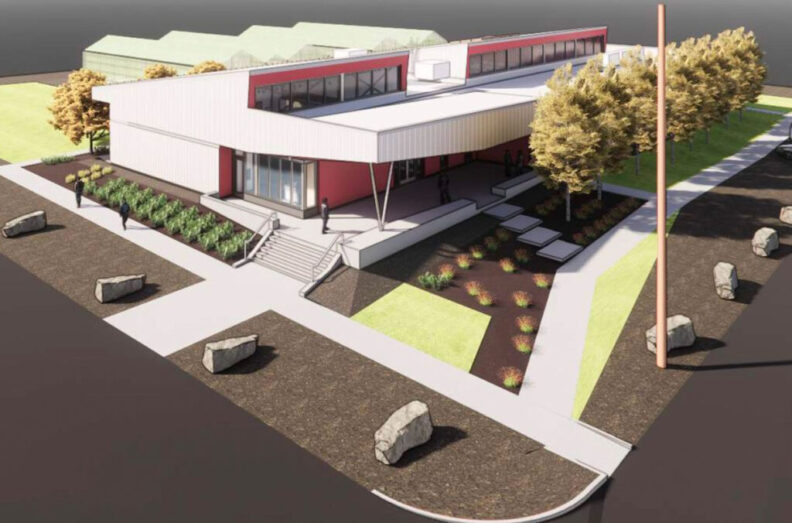
Construction begins for new WSU Plant Growth Facility

Washington State University researchers from the College of Agricultural, Human, and Natural Resource Sciences have begun construction on a new Plant Growth Facility in Wenatchee, expanding capacity for controlled-environment research to improve tree fruit resilience, productivity, and sustainability.

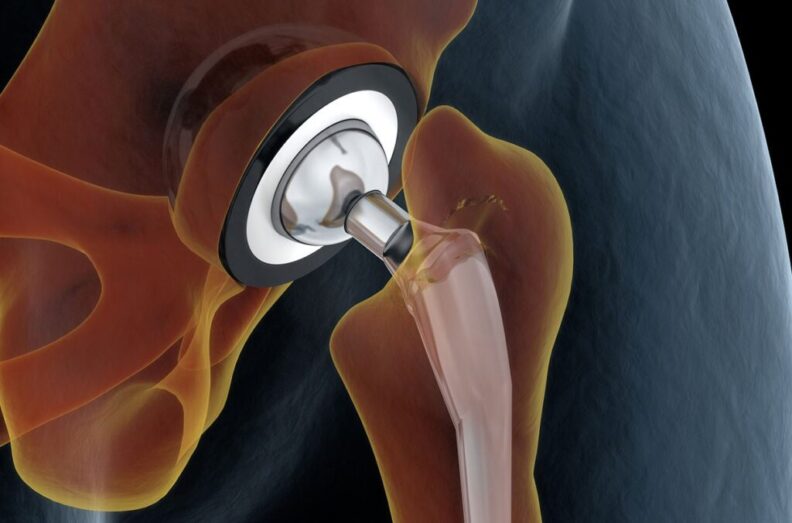
Turmeric/ginger extract shows benefits for bone implants

Researchers from the School of Mechanical and Materials Engineering found that turmeric and ginger extracts can improve bone implant performance by enhancing healing and reducing inflammation, with findings published in the Journal of the American Ceramic Society.

Science confirms torpedo bat works as well as regular bat

Washington State University researchers from the Voiland College of Engineering and Architecture confirmed that the “torpedo bat” performs as well as traditional baseball bats, providing new insight into bat design, player performance, and sports engineering.