July 2025

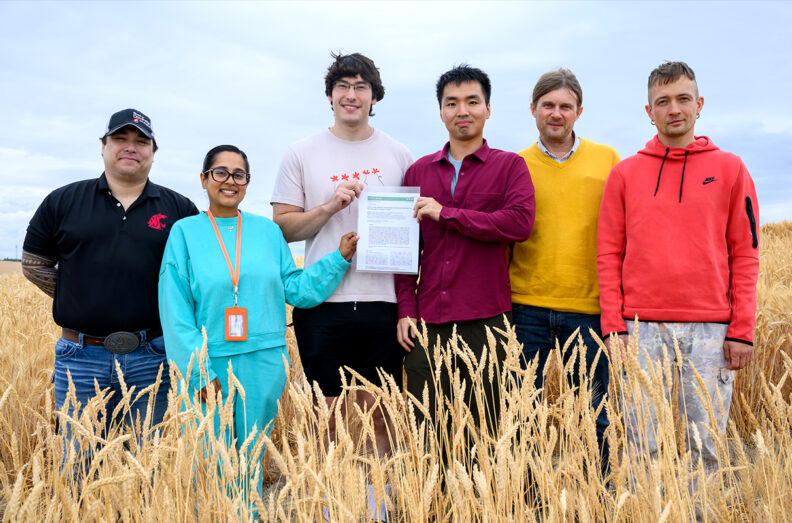
Grad students across disciplines study climate’s effect on grain

WSU graduate students from diverse scientific fields collaborated to publish a review on climate change’s impact on grain development, focusing on biochemical pathways in wheat affected by heat and drought. Led by students with guidance from Associate Professor Andrei Smertenko, the paper proposes strategies to improve grain resilience and nutrition. Their work highlights interdisciplinary research, the value of perseverance, and the urgency of preparing staple crops for future climate challenges.
College of Veterinary Medicine launches grant program to spur innovative research

Amid tightening research budgets, WSU’s College of Veterinary Medicine launched the Pump Priming Research Program to fund bold, interdisciplinary projects. Three inaugural grants totaling $400,000 were awarded to studies on bubonic plague, mpox, and vector-pathogen dynamics. The initiative aims to foster high-impact science, attract future funding, and support global health innovation through collaborative, risk-taking research.

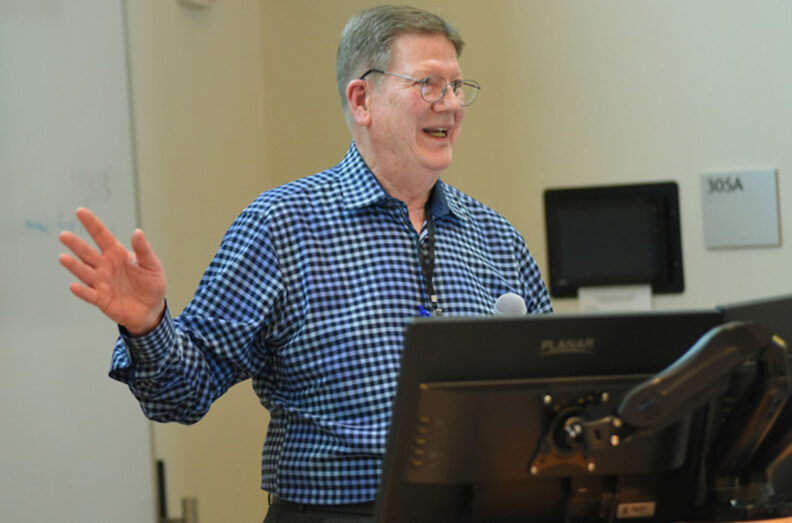
WSU Regents Professor James Krueger’s sleep research recognized in special journal supplement

The journal Neurobiology of Sleep and Circadian Rhythms issued a special supplement honoring WSU Professor James M. Krueger’s transformative sleep research, featuring global contributions and highlighting his five-decade career. Krueger’s findings on sleep’s molecular regulation, particularly the role of cytokines and local neural networks, reshaped scientific understanding. He’s authored 300+ publications, earned major accolades, and mentored many within the WSU College of Medicine and College of Veterinary Medicine. The freely accessible supplement celebrates both his scientific impact and his lasting influence on the field’s emerging scholars.

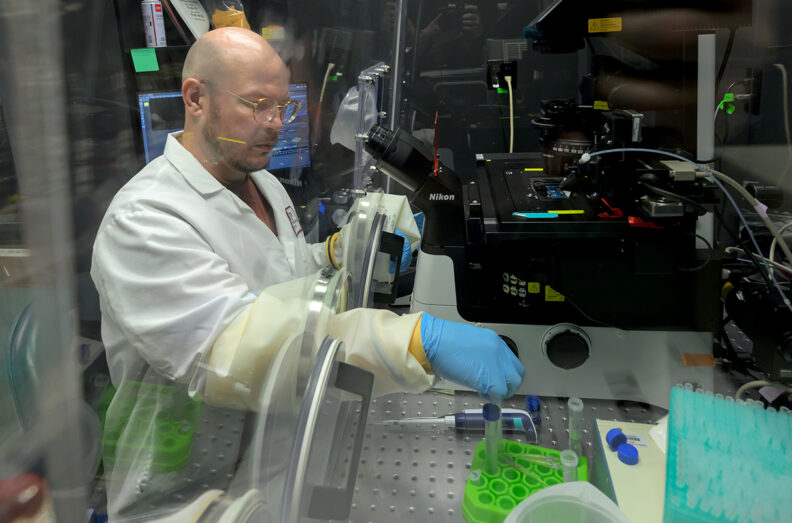
Disease-causing bacteria can deal with stink as long as they get a meal

WSU researchers found that bacteria causing intestinal infections, like Salmonella and E.coli, may be drawn to the toxic gut chemical called indole when it is mixed with nutrients. Using a custom microscope, scientists tracked this behavior, offering insights that could lead to new treatments for drug-resistant infections by disrupting how bacteria navigate and infect the human gut.

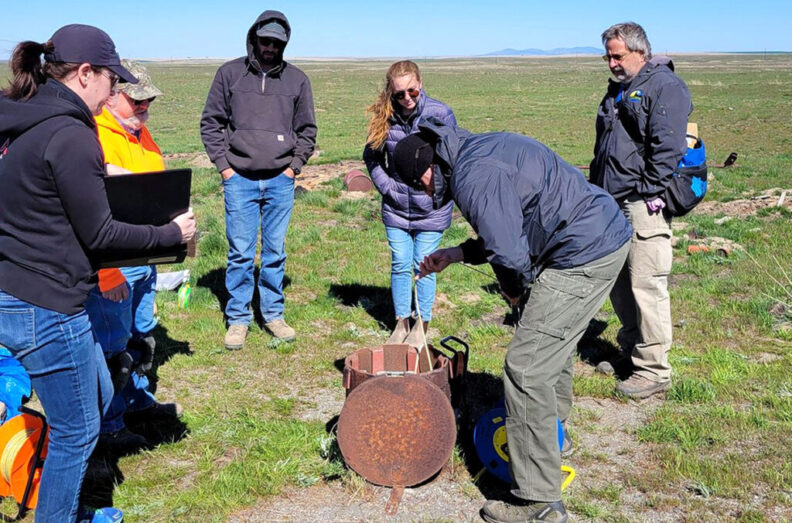
WSU study offers detailed look at declining groundwater in regional aquifer system

A WSU study reveals significant groundwater declines in Eastern Washington’s Columbia Plateau Regional Aquifer System, driven by overuse for irrigation and drinking. Using a new metric of water vulnerability, the research highlights critical “hot spots” like the Odessa region and Yakima Basin, where water levels drop up to three feet annually.

NSF grant will support international research in cybersecurity for AI

Washington State University researchers have received a three-year National Science Foundation grant that will train U.S. and Swedish students in cybersecurity research for artificial intelligence (AI) applications. The $450,000 grant from […]