May 2025

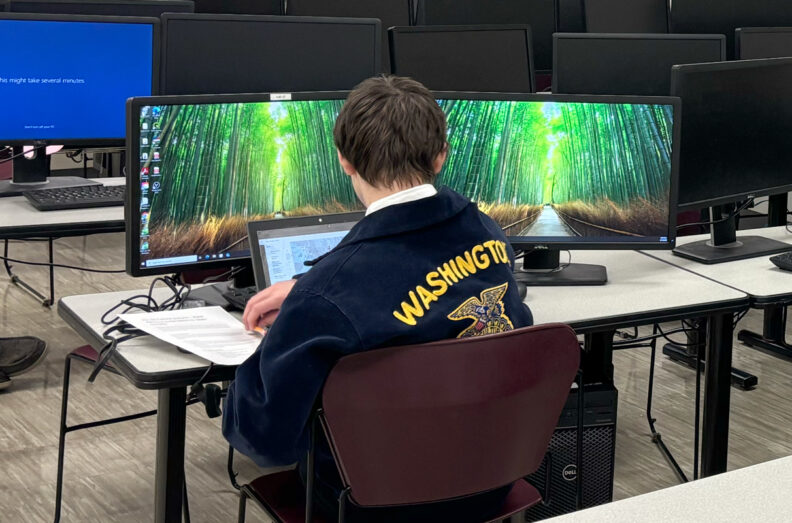
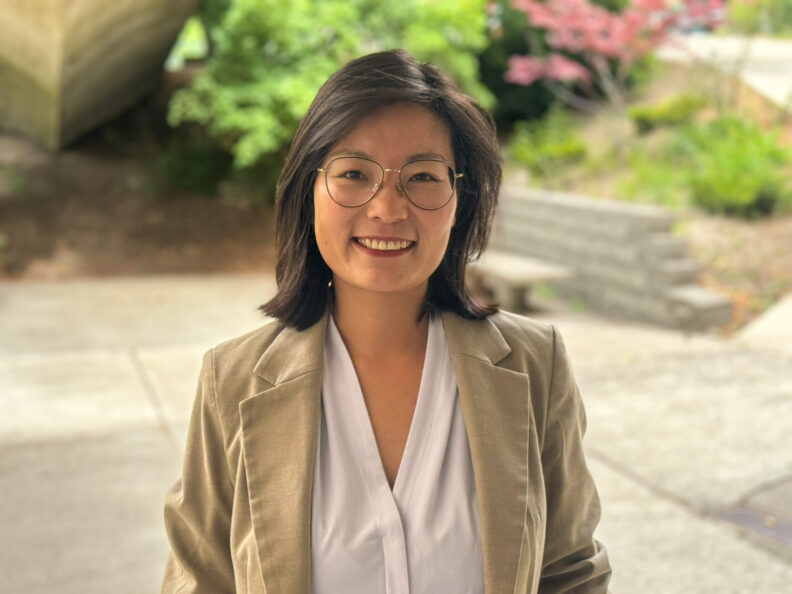
CESHS researcher brings AI-powered science tools to rural teachers with Microsoft grant

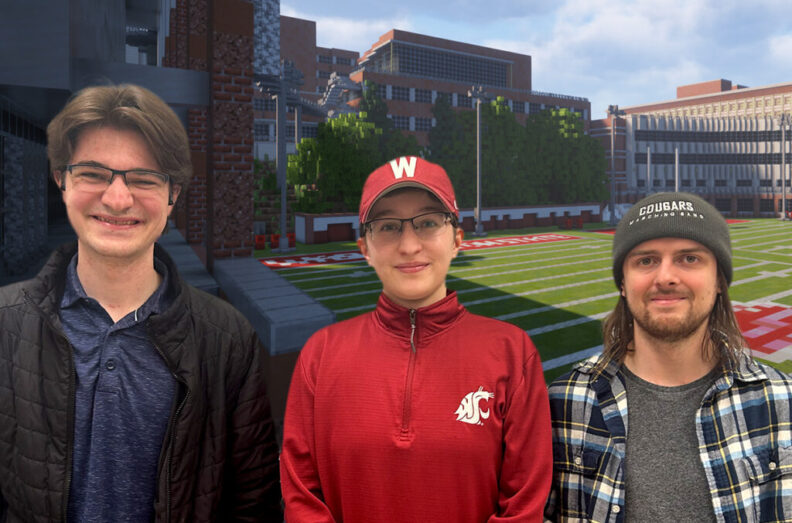
Washington State University launched the AI for Good Transdisciplinary Initiative Group to connect researchers across disciplines using artificial intelligence to address societal challenges, advancing ethical, collaborative, and impact-driven AI research with real-world applications.

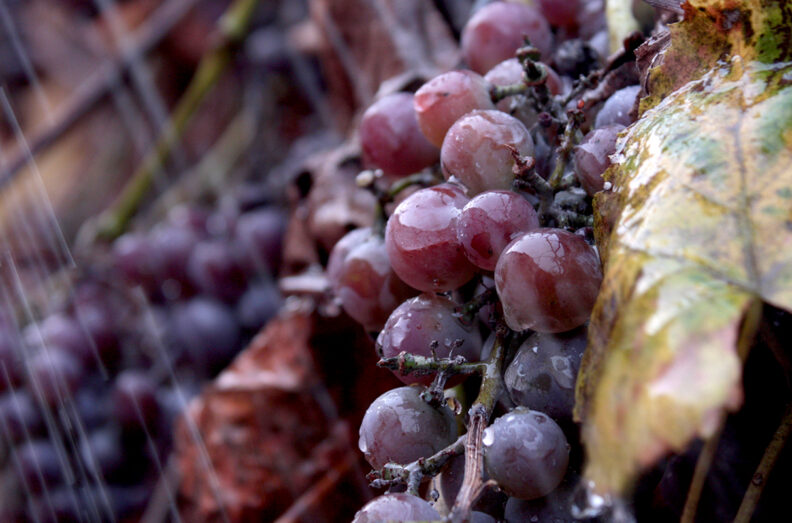
WSU study shows that ‘cult wines’ are less affected by weather variability than non-cult wines

The unpredictable weather caused by climate change can be stressful for many vineyard managers and winemakers. A recent study from Washington State University’s School of Economic Sciences (SES) shows that the “cult […]

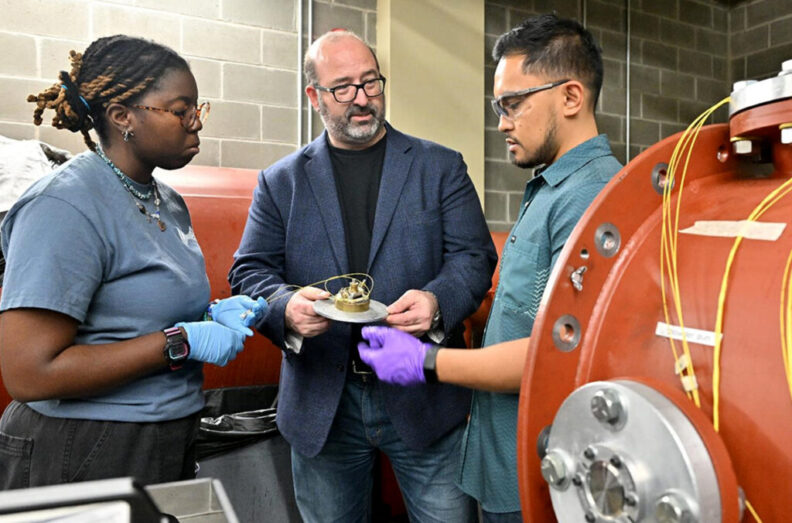
WSU Institute for Shock Physics receives a $32.5 million award

The Washington State University Institute for Shock Physics received a $32.5 million, five-year award from the U.S. Department of Energy’s National Nuclear Security Administration to advance dynamic compression science, supporting discovery-class research, national facilities, and workforce development.

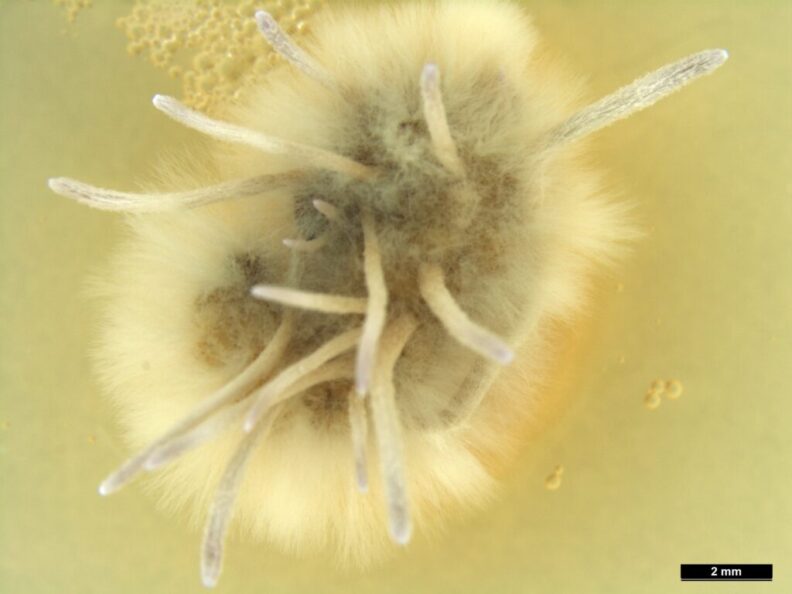
WSU researchers eye bug-hunting fungi as potential orchard protectors

WSU researchers discovered fungi that may protect apples by killing codling moth larvae, a longtime orchard pest. The team is testing three strains—including one related to “zombie” Cordyceps—to develop effective biocontrol solutions. Early results are promising, with hopes for commercial applications and a modern plant growth facility to support future innovation.

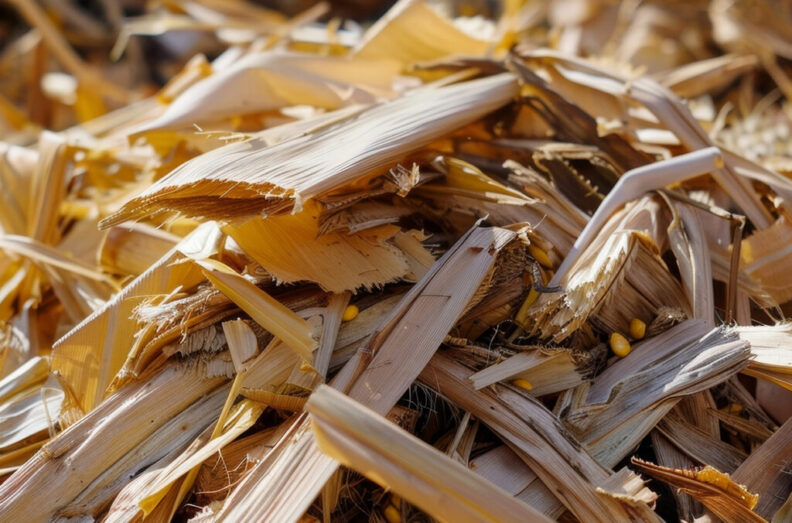
Scientists discover a new way to convert corn waste into low-cost sugar for biofuel

Washington State University researchers developed a new method to convert corn waste into low-cost sugar for sustainable biofuel production, enhancing economic feasibility and renewable energy use through innovative biomass conversion with interdisciplinary partners.

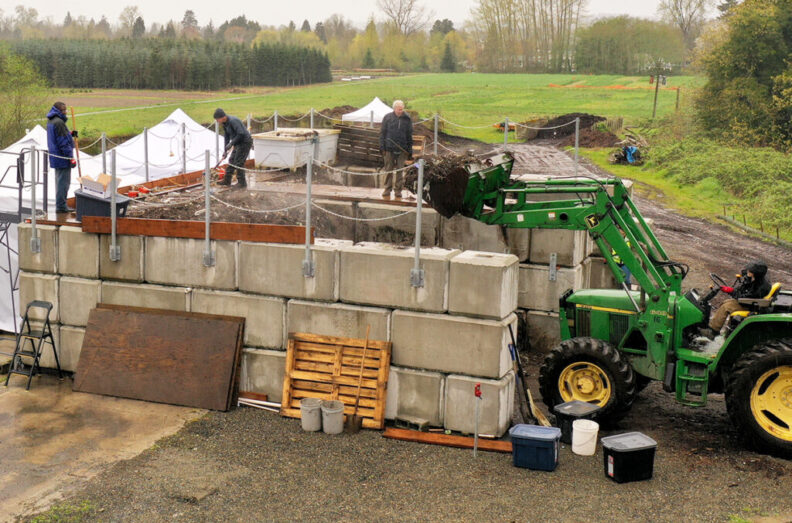
Puyallup Research and Extension Center’s compost facility generating first-of-its-kind emissions data

Washington State University researchers are collecting first-of-its-kind emissions data from a composting facility in Puyallup, providing critical insights into greenhouse gas outputs from organic waste management and supporting the development of more sustainable composting practices.