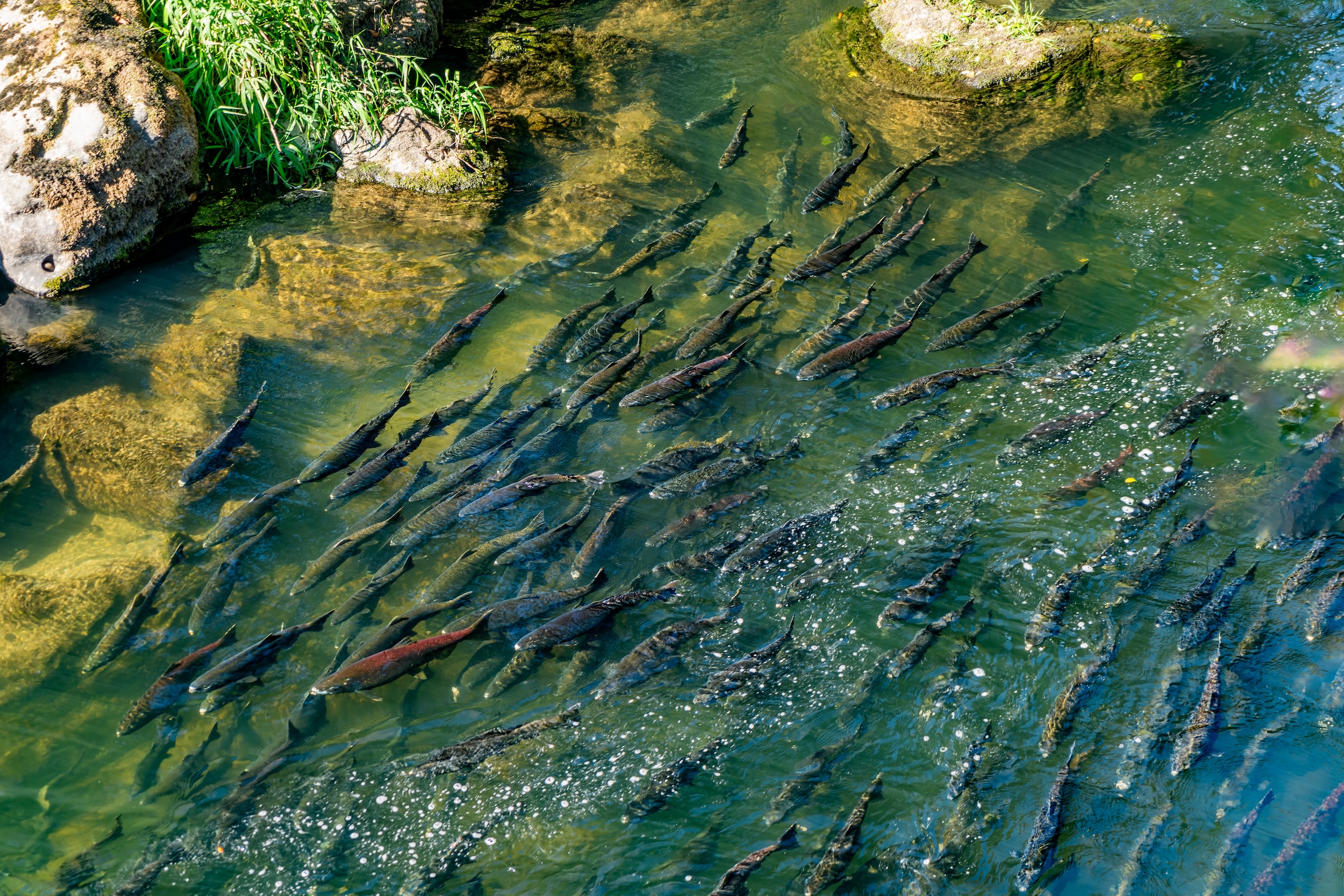
The Future of Salmon
Salmon are among Washington’s most important natural resources. Beyond supporting the state’s economy and cultural heritage, they are a keystone species with a vital role in sustaining aquatic and terrestrial ecosystems and wildlife throughout the Pacific Northwest.
WSU research strengthens sustainable aquaculture and develops innovative solutions to emerging environmental challenges facing salmon.
Innovation and Sustainability
Salmon are a critical food source for endangered killer whales, and transport marine-derived nutrients into rivers, forests, and watersheds that support hundreds of species. WSU’s research into biology-centric management practices, biotechnology, and resilience seeks to strengthen both wild salmon ecosystems and sustainable aquaculture.
Community and Economic Impact
WSU collaborates with conservation partners, industry, Tribes, and government agencies to translate science into practical solutions. Salmon support nearly 23,000 commercial fishing jobs, while recreational salmon fisheries generate an estimated $1.5 billion in economic activity. Advancing both sustainable aquaculture and wild salmon conservation means supporting communities as well as wildlife across Washington.
Conservation and Environmental Leadership
Researchers are developing advanced tools for salmon conservation while addressing threats to aquatic ecosystems. One landmark discovery identified a chemical responsible for coho salmon mortality, solving a decades-long scientific mystery and informing new strategies for protecting salmon.
For more information:
Continue exploring examples of WSU research:
The Sustainable Future of Flight
Learn more.
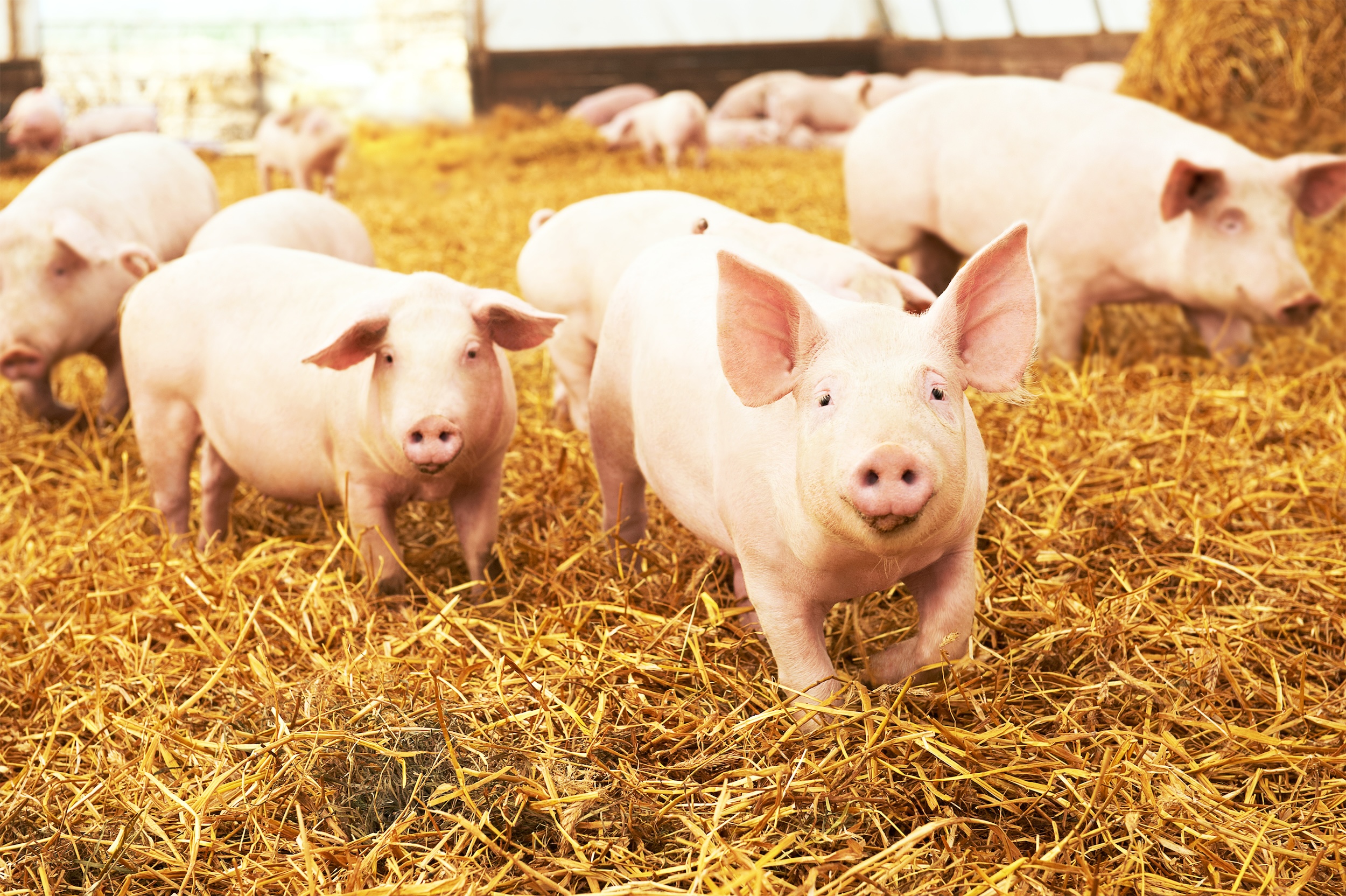
Resilient Livestock Program
Learn more.
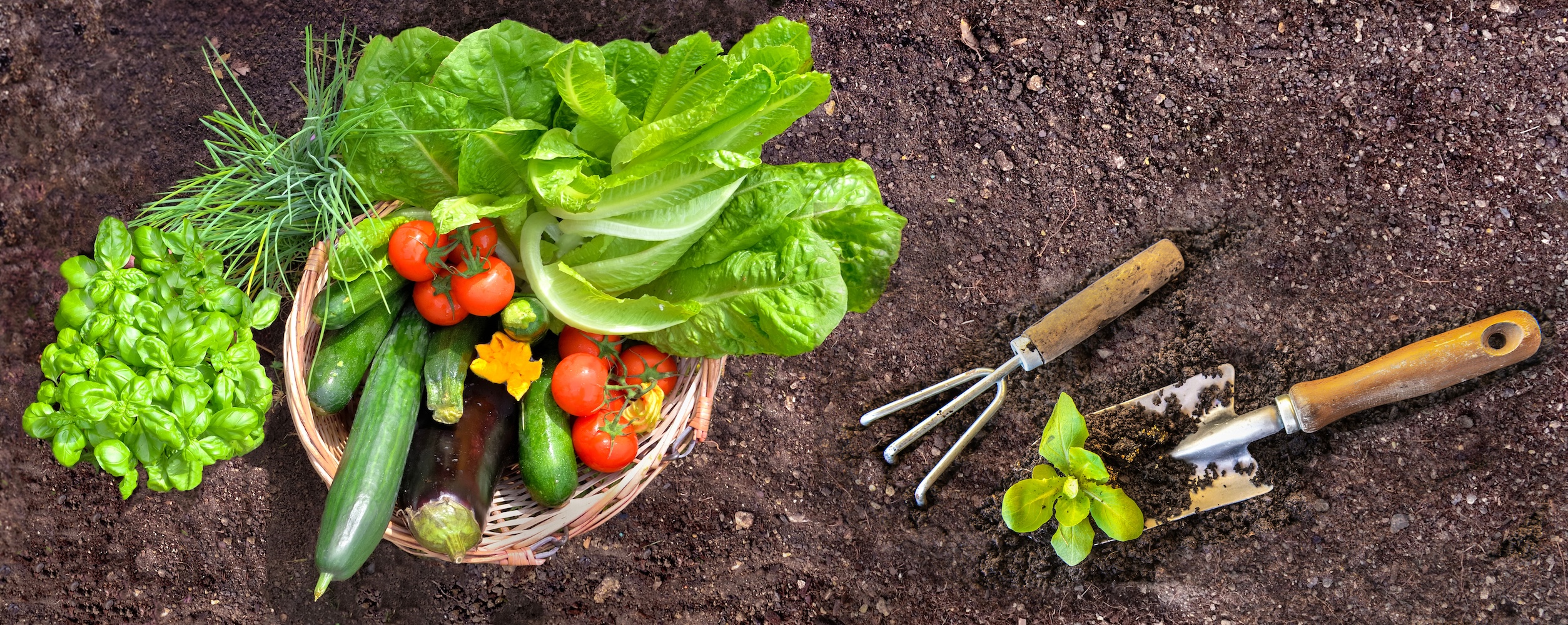
Healthy Farming, Healthy Food
Learn more.
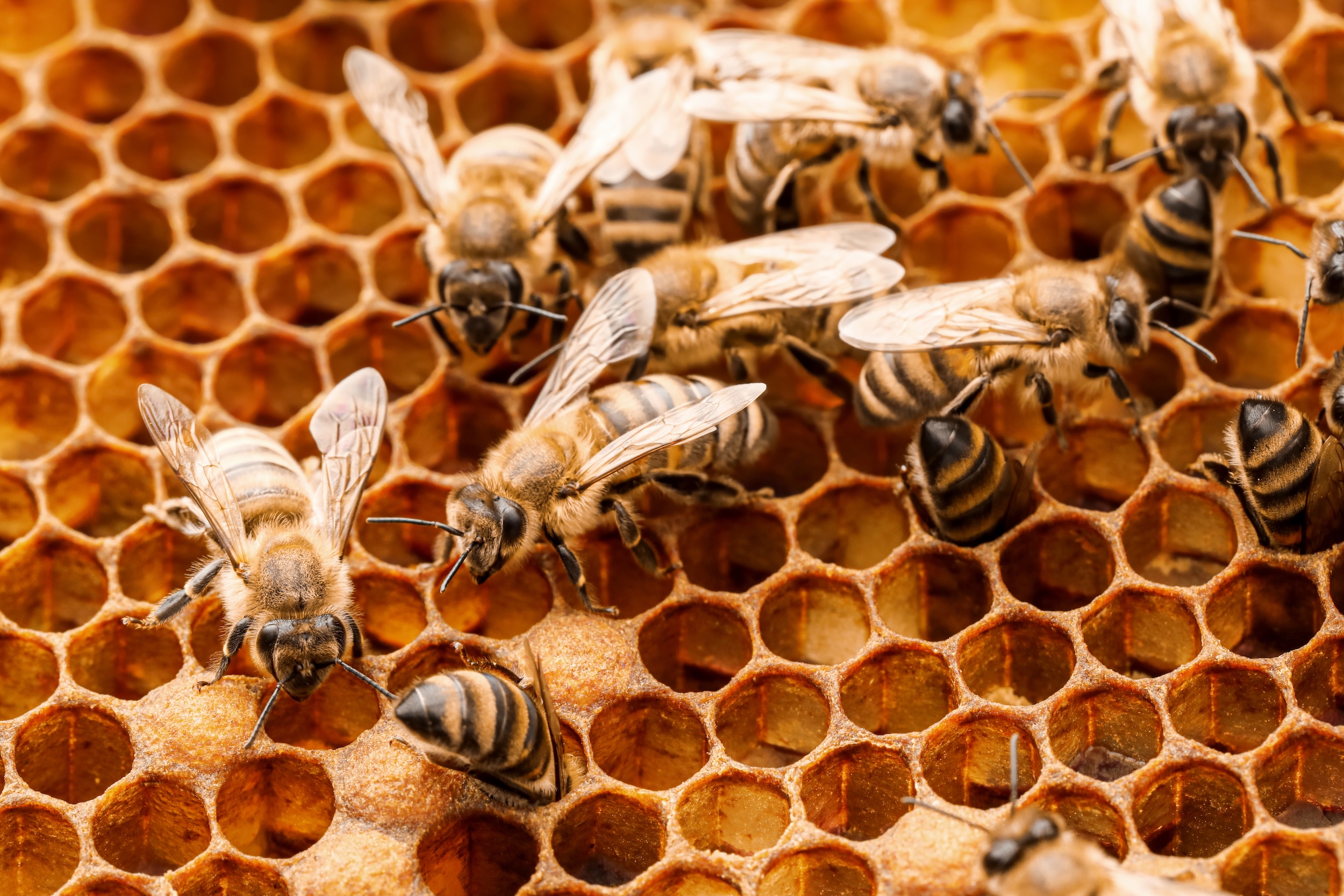
Honey Bee + Pollinators Program
Learn more.
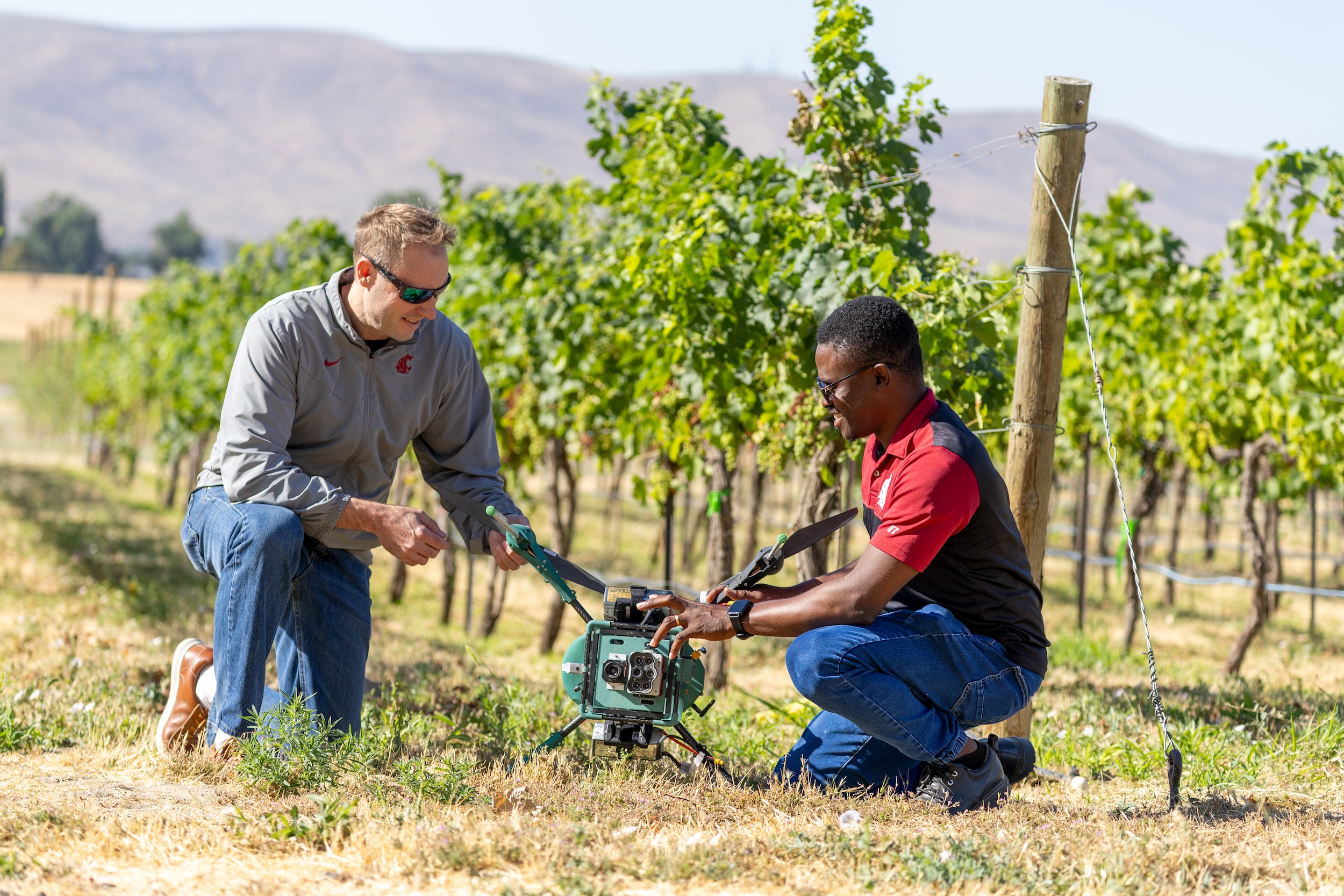
Resilient Agriculture
Learn more.
The Future of Salmon
Learn more.