February 2026

Researchers find important clue to healthy heartbeats

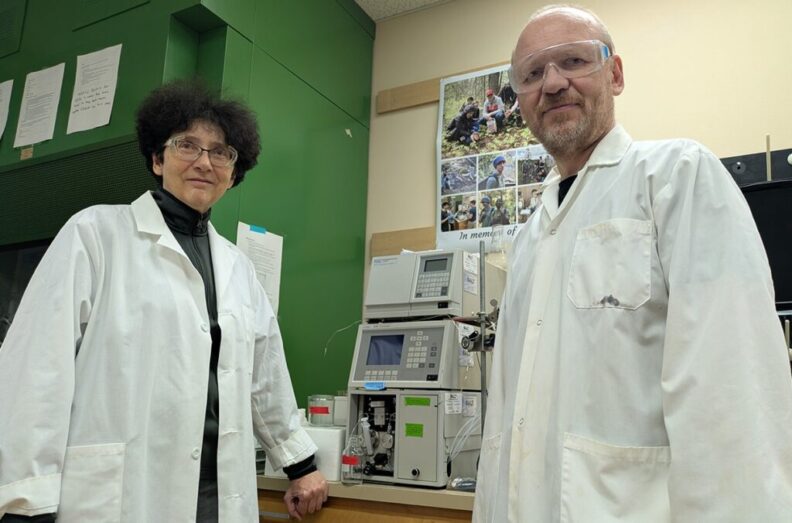
Washington State University researchers identified a key region of a muscle protein that regulates the length of filaments essential for healthy heart function. The discovery provides new insight into how heartbeats are controlled and could inform future treatments for cardiomyopathy and other heart conditions.

Study of NBA finds that pay inequity among top performers erodes cooperation

Pay inequity, NBA performance, and workplace cooperation are examined in a Washington State University study from the Carson College of Business, which found that salary disparities among top performers reduce teamwork and undermine collaboration in competitive professional environments.

New biosensor technology could improve glucose monitoring

Washington State University researchers developed a new biosensor technology designed to improve glucose monitoring by enhancing sensitivity and stability in detecting blood sugar levels. The innovation could lead to more accurate, reliable diabetes management tools and advance wearable health monitoring systems.

Study tests notions of sharing among hunter-gatherers

Washington State University anthropologists tested assumptions about sharing among hunter-gatherers using behavioral experiments with the Hadza in Tanzania. The findings challenge traditional views of equal resource distribution and offer new insights into how cooperation and inequality shape human social evolution.

WSU weaving AI into the classroom, aiding K–12 teachers

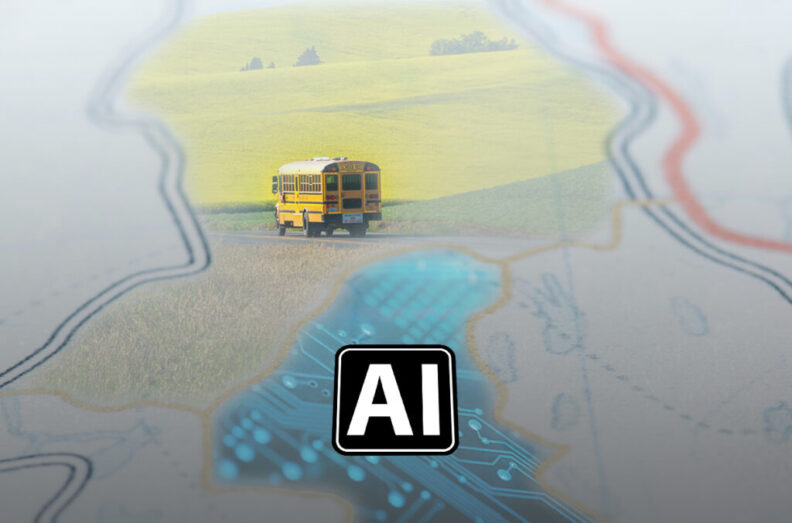
Washington State University researchers are partnering with K–12 teachers to integrate artificial intelligence into classroom instruction through targeted training and tools. The effort aims to build AI literacy, support lesson planning, and help educators, especially in rural schools, adopt emerging technologies effectively.

Automating the harvest: WSU works to ease labor shortages on the farm

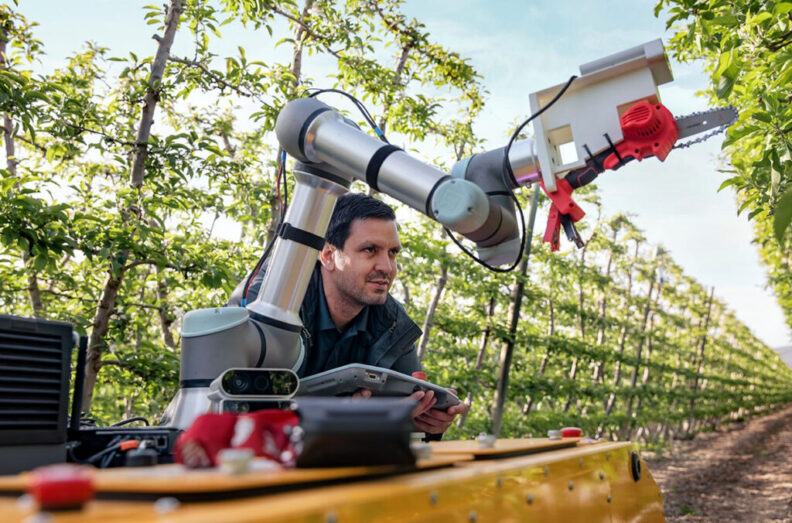
WSU agricultural automation research is creating robotic harvesting and orchard management systems to address chronic farm labor shortages. The innovations aim to increase efficiency, support growers, and strengthen the resilience and productivity of food systems.

Hug your boo: More affection — not equal amounts — strengthens romantic ties

Washington State University researchers in the College of Agricultural, Human, and Natural Resource Sciences found that affection in romantic relationships does not need to be perfectly equal to strengthen bonds. Their research shows that feeling satisfied with the amount of affection given and received, rather than matching it exactly, plays a key role in reinforcing emotional connection and long-term relationship stability.

New Indigenous-focused horticulturist brings traditional ecological knowledge to light

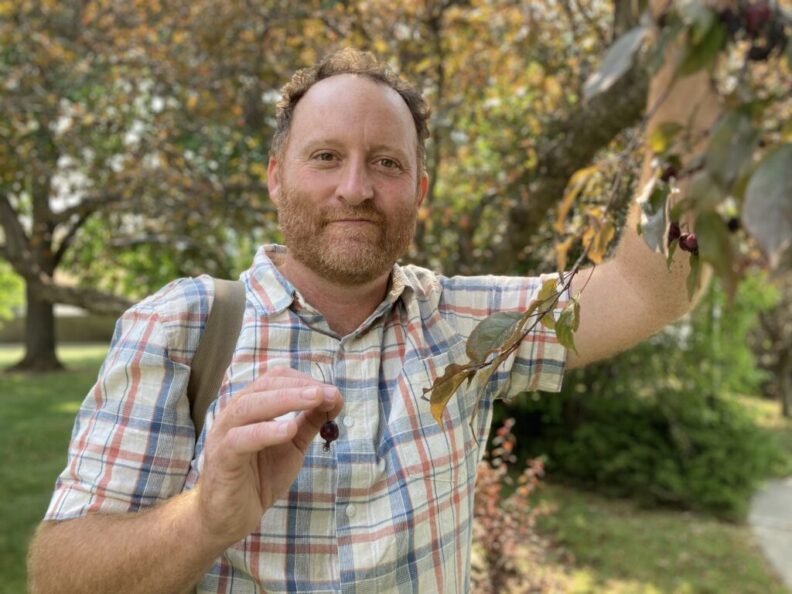
Washington State University hired an Indigenous-focused horticulturist to integrate traditional ecological knowledge into plant science research, supporting environmental restoration, sustainable food systems, and community resilience through collaborations with Tribal and conservation partners in Washington state.

Seeing is believing: WSU tool for visualizing hydrogen fuels Airbus advances

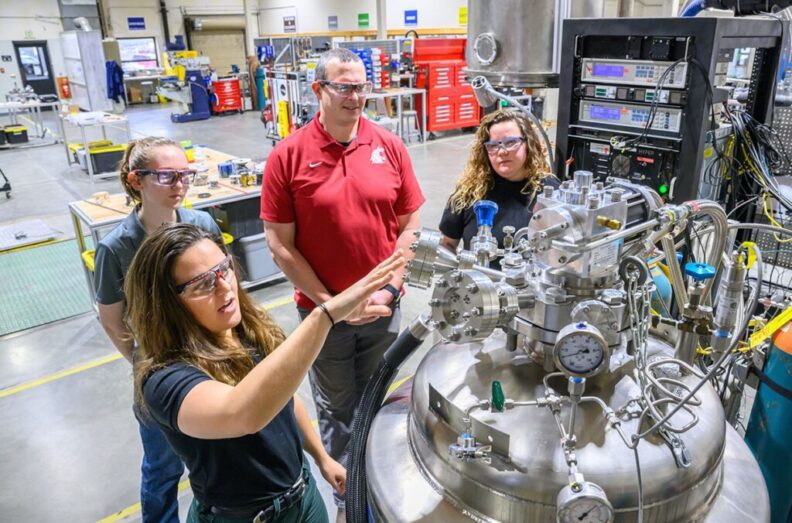
Washington State University engineers developed a visualization tool for liquid hydrogen that enhances collaboration with Airbus, accelerating zero-emission aviation research by helping scientists observe and understand hydrogen fuel behavior in real time.

Engineering students’ awning project helps disability center

Washington State University students are working with the city of Moscow’s Disability Action Center Northwest to improve their offices. The work is an opportunity for students to get real-world experience while helping […]

Pinpoint forecasting among the tools WSU brings to agriculture

Washington State University researchers are advancing AI-driven agricultural forecasting using drones, machine learning, and AgWeatherNet data to provide precise, farm-level insights that help growers improve crop management, water planning, and climate resilience, with key contributions from engineering and computer science expertise.