March 2025

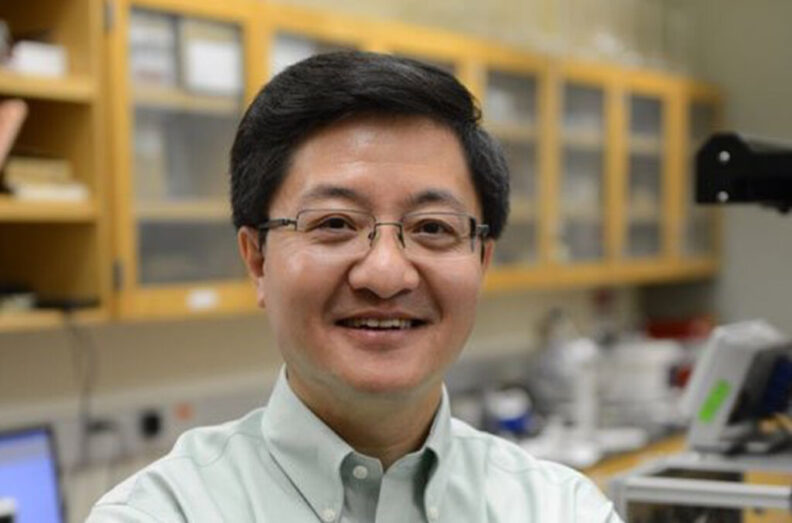
WSU researchers develop machine learning model to predict virus reservoirs

Washington State University researchers developed a machine learning model to predict virus reservoir hosts, improving disease surveillance and pandemic prevention by identifying high-risk species and enhancing public health research collaborations.
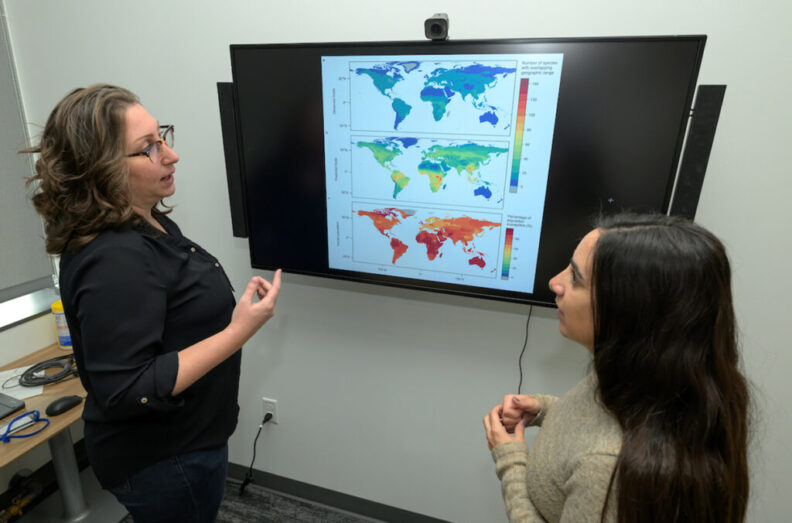
WSU researchers develop machine learning model to predict virus reservoirs

Washington State University researchers developed a machine learning model to predict animal species that may serve as virus reservoirs, improving early detection of emerging infectious diseases and supporting proactive public health and wildlife disease surveillance efforts.

CAHNRS faculty receive WSU Showcase awards

WSU CAHNRS faculty were recognized with Showcase Awards for their impactful research, teaching, and leadership, highlighting their contributions to advancing agricultural, food, and natural resource sciences and strengthening Washington State University’s research mission.

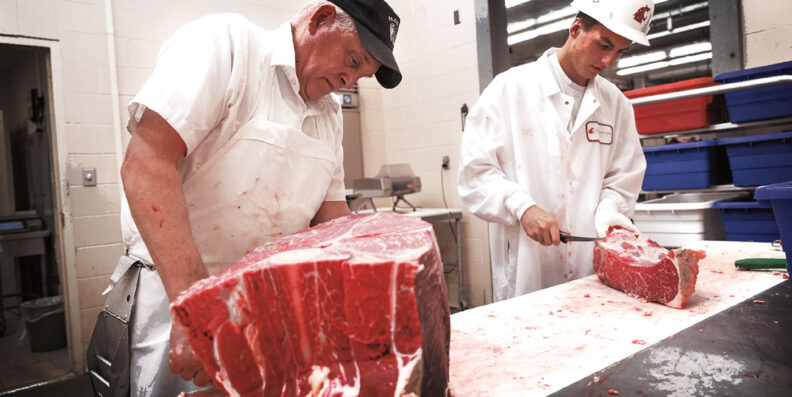
Quality no matter how you slice it

Open two days per week, Cougar Quality Meats is the public face of Washington State University’s USDA-certified meats lab. While customers know it as a go-to place for locally sourced meats, the WSU Pullman lab has a much larger mission of teaching students about meat science.

Research Radar: March 26, 2025

Before starting my role as VPR, I knew I wanted to visit research labs and centers across our system to better my understanding of the breadth of our research. I also wanted to make direct connections with WSU researchers. While the first few months of my tenure has been focused on the federal transition, I made a conscious decision to reconnect with my planned activities—meeting with and learning from the researchers who drive WSU’s research enterprise.

One college class leads to distinguished career of impactful food science work for WSU Regents Professor

Carolyn Ross is proof that a college course can change your life. In her case, it has meant reaching the highest level a scientist can achieve at Washington State University: Regents Professor.

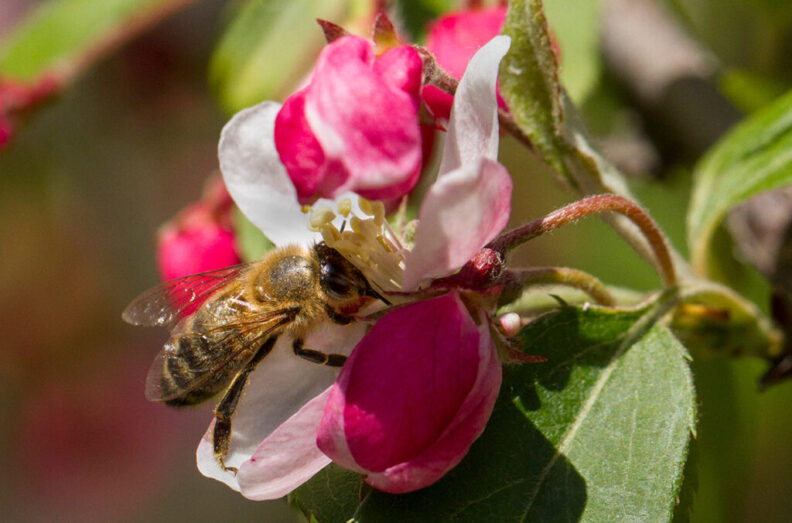
Honey bee colony declines grow as WSU researchers work to fight losses

Commercial honey bee colony losses in the U.S. could reach 60 to 70% in 2025, according to entomologists at Washington State University. Over the past decade, annual losses have typically ranged between 40 and 50%.

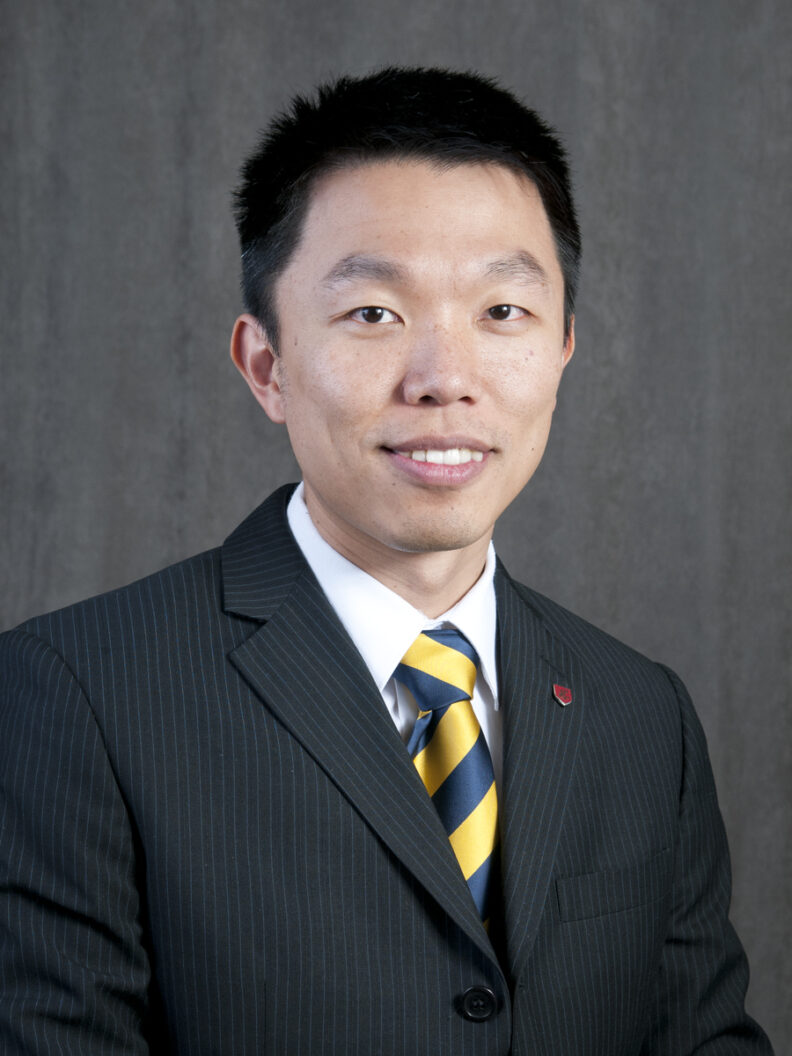
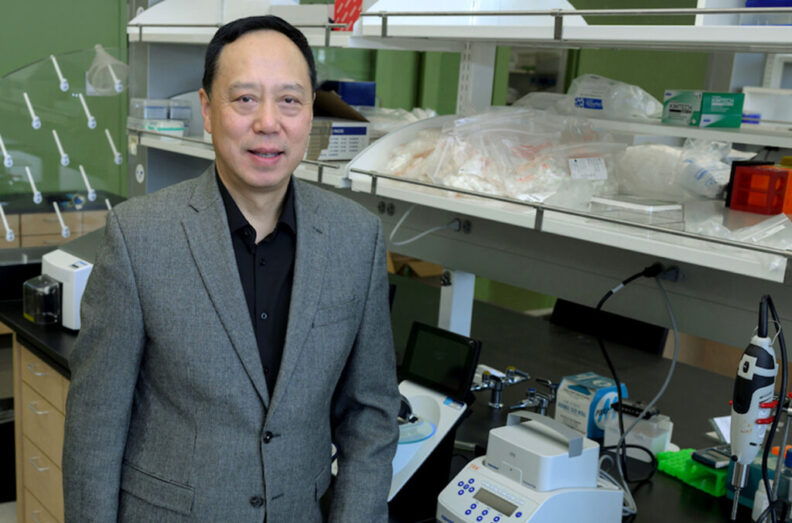
Kuen-Ren (Roland) Chen: 3D-Printed Microneedles Lead the Way to Safer, Smarter Treatment

This Faculty in Focus highlights the research of Kuen-Ren (Roland) Chen, associate professor in the School of Mechanical and Materials Engineering, Voiland College of Engineering and Architecture, WSU Pullman.

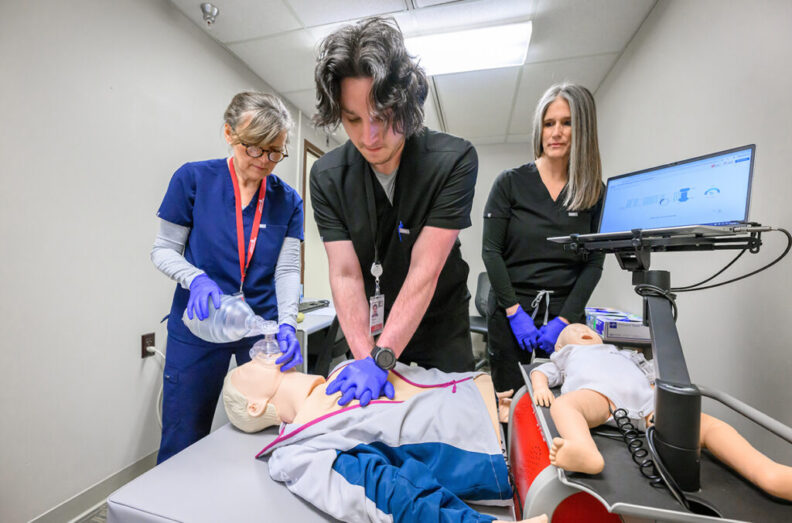
College of Medicine and Cougar Health Services partner to improve CPR training

Washington State University’s Elson S. Floyd College of Medicine and Cougar Health Services have partnered to provide enhanced CPR training to staff at Cougar Health’s three Pullman campus clinics, which treat more than 7,000 students per year.

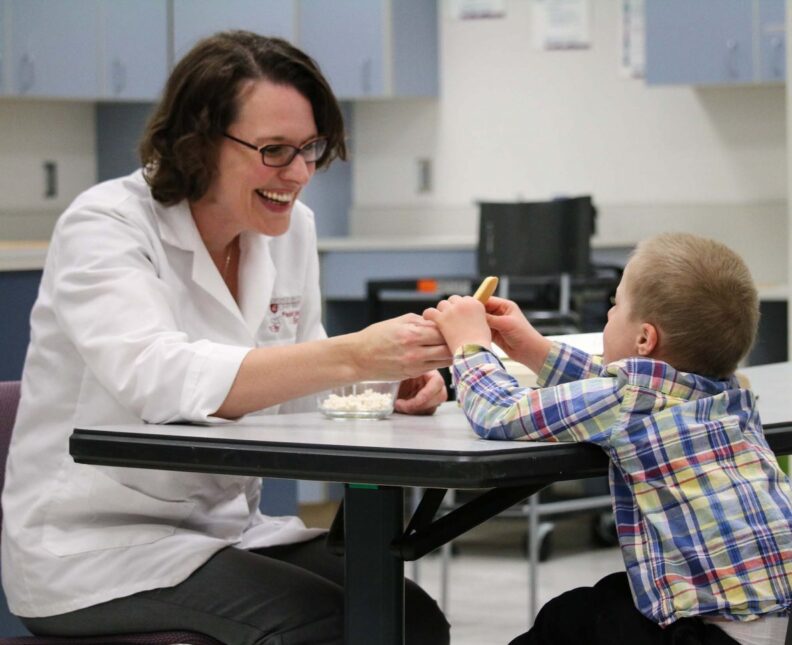
Feline therapy: Study suggests cats could fill an assistive niche

For years, therapy dogs have ruled the world of animal-assisted services (AAS), offering stress relief to college students, hospital patients and those in need of emotional support. But new research suggests that some cats might also have what it takes to join the ranks of therapy animals — bringing their purrs, gentle head-butts and calm demeanor to the field.

New study takes long-term look at how biochar and hemp improve yields, crops

WSU scientists are launching a six-year study on how biochar and hemp impact wheat, corn, and chickpeas. Working with tribal farmers and private growers, they aim to boost soil health, crop yields, and carbon storage while reducing fertilizer use.

WSU researchers tackle neurodegenerative diseases through funding from Steve Gleason Institute for Neuroscience

WSU researchers, supported by the Steve Gleason Institute for Neuroscience, are advancing studies on ALS, Alzheimer’s, and neurodegenerative diseases. Projects focus on caregiver well-being, drug treatments, early diagnosis, and assistive technology to improve patient outcomes.

Research Radar: March 12, 2025

Last week I took part in the WSU Board of Regents meetings on the Tri-Cities campus. During the first day of the meetings, I had the chance to speak twice about the current state of our research enterprise. To begin, I consciously highlighted the very real gains we have made across the research enterprise. For example, in FY25, we are outpacing previous years for total external funding awarded, surpassing last year’s cumulative total by this point in the year with particularly strong growth in the first quarter of the fiscal year. Additionally, we’ve seen steady proposal submission rates, both in terms of the number of proposals submitted and the total value of proposed funding. In fact, our submission rates are outpacing those from FY24, including in January and February. I think it is important to recognize this upward trend and acknowledge the hard work and dedication of our faculty and research support staff across the system who made this happen. These accomplishments are significant. They demonstrate the tenacity of our faculty and the resilience of our support staff, especially in the face of uncertainty.

New tech for managing type 1 diabetes is effective for older adults

WSU-led research finds automated insulin delivery (AID) systems are safe, effective, and well-accepted by older adults with type 1 diabetes, improving glucose control and reducing hypoglycemia risk.

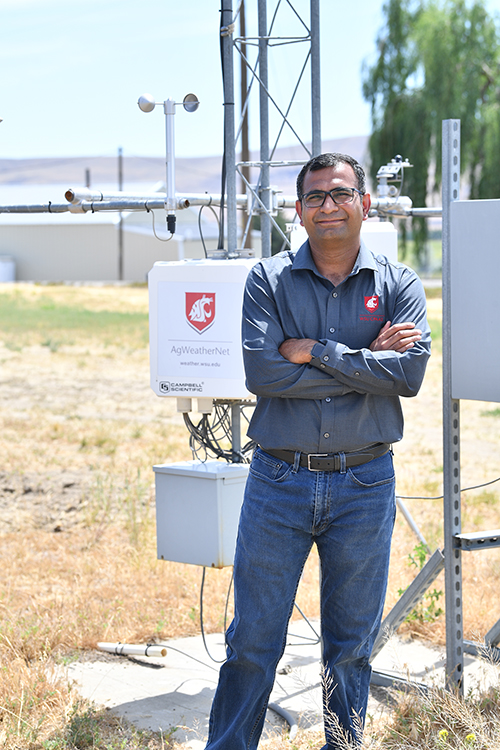
Weather station upgrade will empower growers, educate students on climate

Scientists at Washington State University will help Northwest high school students gain hands-on experience in weather monitoring as part of a modernization of the state’s automated weather network.

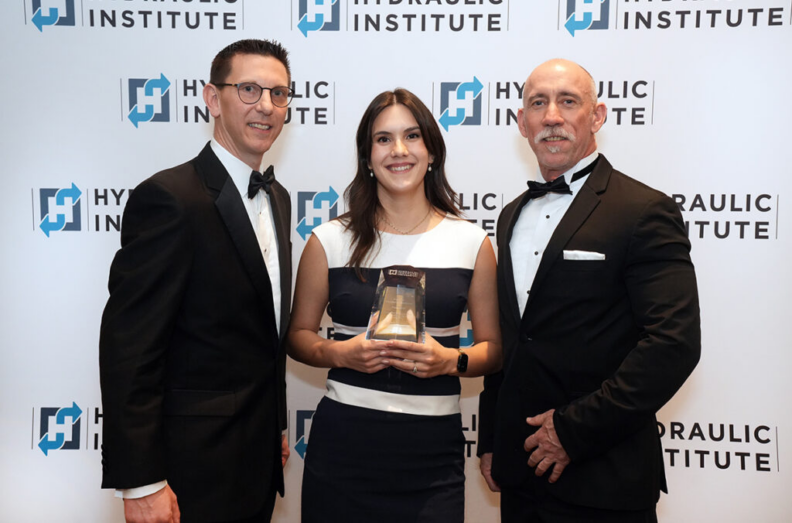
Researchers receive Hydraulics Institute award

WSU researchers received an education excellence award from the Hydraulic Institute for developing innovative curriculum on hydraulic pumping. Providing architecture and construction students with key insights into smart pump systems, helping build a future workforce focused on sustainable design.